





Introduction: Lecce’s altarpieces and sacred paintings, an overlooked Baroque treasure
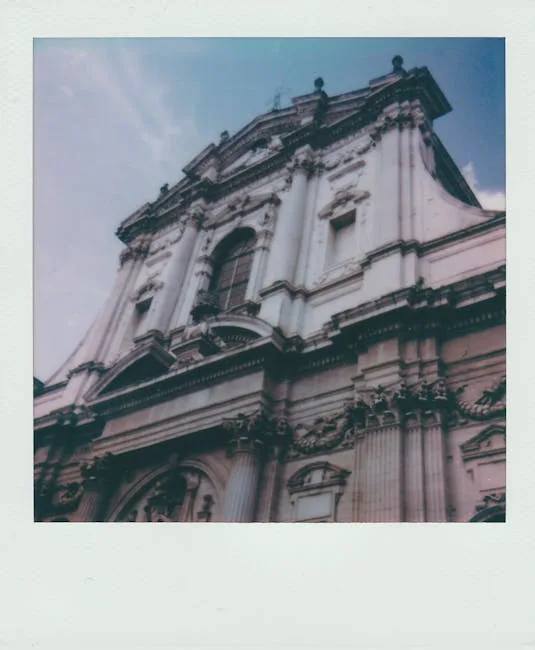
Lecce, the “Florence of the South” tucked into the sunny heart of Puglia, is a place where stone seems to remember and tell stories. Its golden tufa façades, carved with an abundance of foliage, angels and mythological figures, often steal the art-guide headlines. But beyond those flamboyant exteriors, the real treasures hide inside churches and museums: the altarpieces and sacred paintings. These works—large compositions on wood or canvas, often set into painted, gilded and polychrome architectural frames—have shaped public and private devotion in Lecce for centuries. They depict biblical episodes but also tell the story of a city that blended Venetian, Neapolitan and Spanish influences to create a distinctive local Baroque.
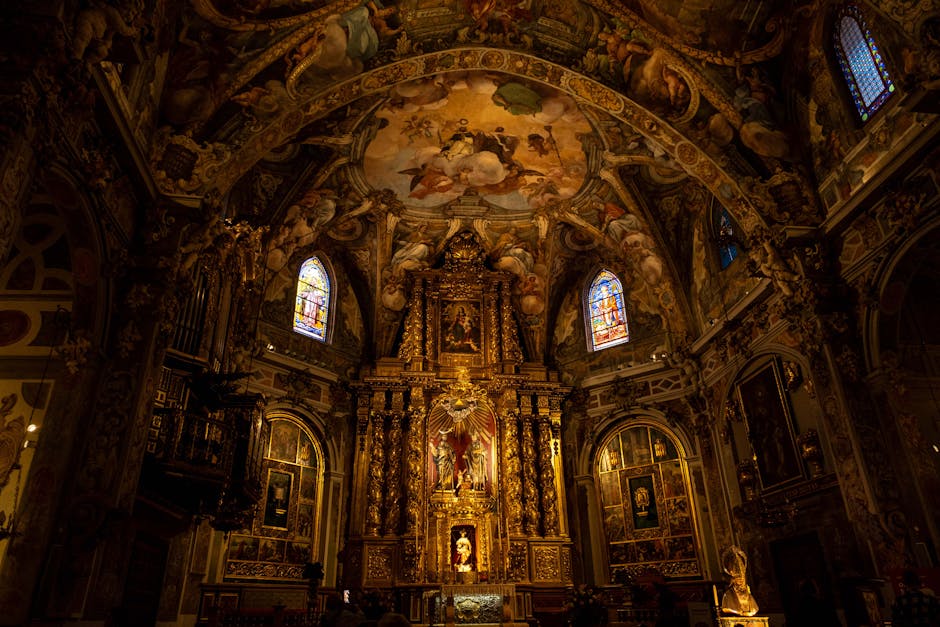
Exploring these altarpieces means entering a world where images mediate between worshippers and the divine: the Virgin with a calming gaze, Christ on the cross, local martyrs rendered with striking realism, and scenes from the Lives of the Saints designed to educate the illiterate. The iconographic richness is matched by a wide range of techniques—tempera on panel, oil on canvas, gilding and gold-leaf highlights—that reveal the skill of local workshops and itinerant artists who worked in Lecce from the 16th to the 18th centuries.
From the main altarpiece of the Basilica di Santa Croce to the humbler paintings in side chapels and convents, each piece offers a distinct visual and spiritual experience. Their conservation often depends on small local teams and municipal initiatives; visiting these places is also a way to support the preservation of intangible heritage: rites, confraternities and processions that animate the city year-round. In this article we’ll take you through the most remarkable altarpieces and sacred paintings in Lecce, with addresses, opening times, prices, immersive descriptions and practical tips to get the most out of your visit.
Basilica di Santa Croce: the main altarpiece and the chapel works
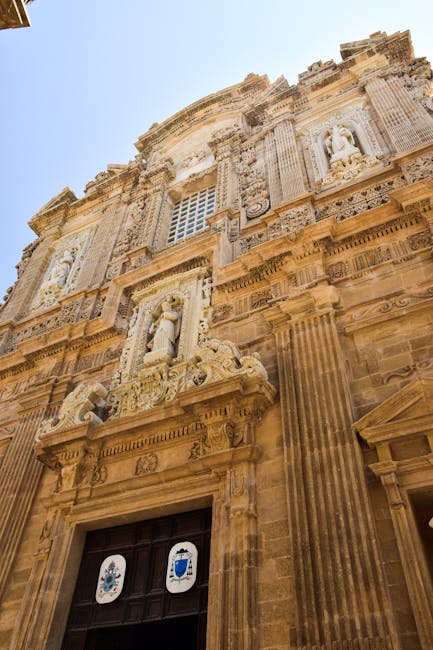
The Basilica di Santa Croce is arguably Lecce’s Baroque crown jewel. Located at Piazza Santa Croce, 7, 73100 Lecce LE, Italy, it draws visitors for its exuberant façade, but it’s inside where you’ll find altarpieces and sacred paintings of real importance. The main altarpiece (polittico), attributed to Neapolitan and local hands from the 17th century, celebrates the glorification of the Holy Cross through narrative panels showing episodes of the Passion and angels in adoration.
Address and access: Basilica di Santa Croce, Piazza Santa Croce 7, 73100 Lecce LE. Typical opening hours: open 9:00–12:30 and 15:30–19:00 (daily). Price: free entry to the church itself, although paid guided tours for access to upper areas or temporary exhibitions are offered (around €3–€6). Hours and fees can change depending on the season and religious events; it’s wise to check with the local tourist office.
Immersive description: stepping through the basilica’s doorway takes you from a sunlit square into a more intimate space where gold and polychrome soften the light. The main altarpiece sits in a choir of refined stucco; the painted figures seem to emerge from carved frames, flanked by twisted columns and putti playing with drapery. The pigments—still visible despite the centuries—offer deep reds and vivid blues that highlight the flesh tones of the saints. Side chapels house several paintings of the Virgin, apostles and local donors—works often produced by Lecce workshops in the 17th century and sometimes bearing inscriptions in Latin or archaic Italian.
Practical tips: arrive early in the morning to take advantage of the soft light filtering through the windows and to avoid crowds. Respect service times; parts of the church may be inaccessible during Mass. If you want close-up photos of the altarpiece, ask staff for permission. Finally, pair this visit with the Diocesan Museum of Lecce (Piazza del Duomo) to see the altarpieces in their liturgical and heritage context.
Duomo di Lecce and Museo Diocesano: choir altarpieces and restored works
The Cathedral of the Most Holy Assumption, commonly called the Duomo di Lecce, stands on Piazza del Duomo, 1, 73100 Lecce LE, Italy. Its interior houses major altarpieces, while the Museo Diocesano di Lecce (or Museo Diocesano M. D’Afflitto / Museo Diocesano M. d’Ayala Valva — the official name can vary locally) displays works that have been moved for conservation and exhibition. The main altarpiece integrates architecture and painting: a large central composition flanked by narrative panels.
Address and access: Cattedrale di Lecce, Piazza del Duomo 1, 73100 Lecce LE. Cathedral hours: 9:00–12:30 and 16:00–19:30 (daily), altered during religious celebrations. Museo Diocesano: Piazza del Duomo 30 (or adjacent buildings), 73100 Lecce LE. Museum hours: 9:30–13:00 and 15:30–19:00 (Tuesday to Sunday), closed Monday. Museum price: standard ticket €4–€6, reduced rates for students and seniors €2–€4.
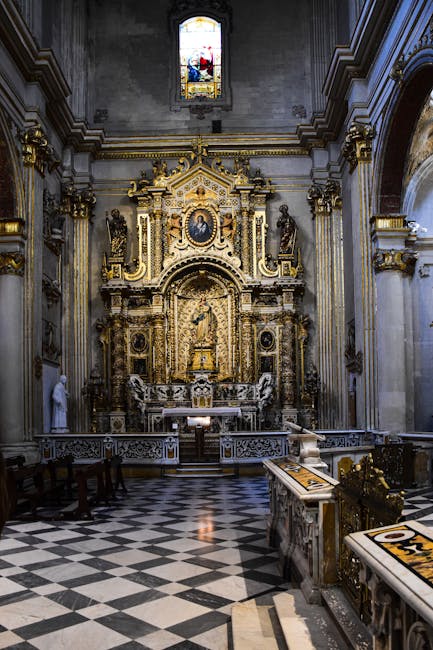
Immersive description: entering the Duomo you feel the restrained elegance of its interior plan, punctuated by richly decorated chapels. The main altarpiece often depicts the Assumption of the Virgin or another Marian scene, painted with a dramatic sense of light and movement. In the Museo Diocesano, relocated altarpieces come with explanatory labels: technical analyses, recent restorations and provenance. You’ll see panel works sometimes dismantled for conservation, with revealed paint layers that show how the ground and glaze layers were prepared.
Practical tips: allow at least an hour for the museum if you enjoy technical details and the history of the works. Audio guides (often available at the museum for about €2–€3) provide excellent context. For a deeper dive, ask about themed guided tours (sacred art history) offered by local offices; they’re usually in Italian but sometimes available in English or French by reservation.
Chiesa di San Matteo, Santa Irene and San Giovanni Battista: chapels and small altarpieces
Lecce has many lesser-known churches rich in intimate sacred paintings: Chiesa di San Matteo, Chiesa di Santa Irene and the Oratorio di San Giovanni Battista deserve special attention. These spaces hold modestly sized altarpieces, often commissioned by local confraternities or wealthy families and executed by regional painters who may be less famous but highly skilled. These works reflect a local, familial and communal approach to devotion, contrasting with the grand polyptychs of the major basilicas.
Adresses and practical info:
- Chiesa di San Matteo — Via San Matteo, 21, 73100 Lecce LE. Hours: 10:00–12:30 / 17:00–19:30 (variable). Free entry (voluntary donations).
- Chiesa di Santa Irene — Via Vittorio Emanuele II, 73100 Lecce LE. Hours: 9:00–12:00 / 16:00–19:00. Free entry, sometimes closed during services.
- Oratorio di San Giovanni Battista (often attached to a convent) — Via Palmieri, 73100 Lecce LE. Hours: check locally or with the tourist office; entry sometimes €2–€4 during exhibitions).
Immersive description: these chapels offer an intimacy with the painting that large churches sometimes don’t allow. An altarpiece can be admired just a few steps away, letting you study brushstrokes, pentimenti and the facial details of saints. The aged wood tones, local restorations and old retouches speak of liturgical use: candles, ex-votos and small side altars give the setting a humble, living feel. Some altarpieces include portraits of donors, creating a direct link between the local community and the artwork.
Practical tips: check each chapel’s opening hours in advance, as they may close during services or local festivals. Respect the sacred space: no flash, keep noise low and approach respectfully. If you’re keen on art photography, ask staff or the priest for permission: in many places you can get a non-commercial photo permit after paying a small fee.
Museo Faggiano and alternative routes: relocated paintings and hidden heritage
The Museo Faggiano, at Via Ascanio Grandi, 56, 73100 Lecce LE, is famous for uncovering layers of history in a private urban space, from Messapian times to the Baroque. While not a conventional sacred-art museum, it preserves and displays fragments and objects from churches, including panels moved to protect them. Off-the-beaten-path routes—small rural parishes around Lecce—also reveal local altarpieces and countryside devotional art.
Museo Faggiano practical info: hours 9:00–19:00 (daily), recommended visit length 45–60 minutes. Price: standard ticket €4–€6; reduced rates available. The museum often limits visitor numbers, so booking is recommended in high season.
Immersive description: the archaeological layers in the Museo Faggiano give fresh context to the sacred paintings—you can picture the homes, chapels and confraternity meetings that once took place on that spot. Nearby country parishes, for example in Squinzano or Arnesano, often kept more modest displays but shelter altarpieces worth seeking out. Panels there are sometimes illuminated by filtered light that highlights craquelure and varnish layers, telling centuries of devotional use.
Practical tips: combine a visit to Museo Faggiano with a stroll through the neighborhood to sense the overlap between domestic life and the sacred. For rural routes, rent a car or hire a local guide to reach less accessible churches. Bring a small, low-intensity flashlight if you plan to inspect paintings in dim chapels (and always ask permission first).
Conservation, restorations and local initiatives: how the altarpieces are preserved
The conservation of Lecce’s altarpieces and sacred paintings relies on a delicate mix of public funding, private patronage and parish initiatives. Panels and canvases exposed to dust, candle smoke and humidity fluctuations require regular intervention. Restorations—sometimes visible as fresher color bands or edge consolidations—reveal the technical skill of local conservators.
Projects and players: the Soprintendenza Archeologia, Belle Arti e Paesaggio per le province di Brindisi, Lecce e Taranto oversees many restorations. Private workshops in Lecce work with conservators to stabilize paint layers, treat biological attacks (mold, insects) and re-tension canvases. The Museo Diocesano plays a key role by hosting works temporarily during conservation. Funding sometimes comes from regional or European cultural programs, or from private donors who wish to give back to their city.
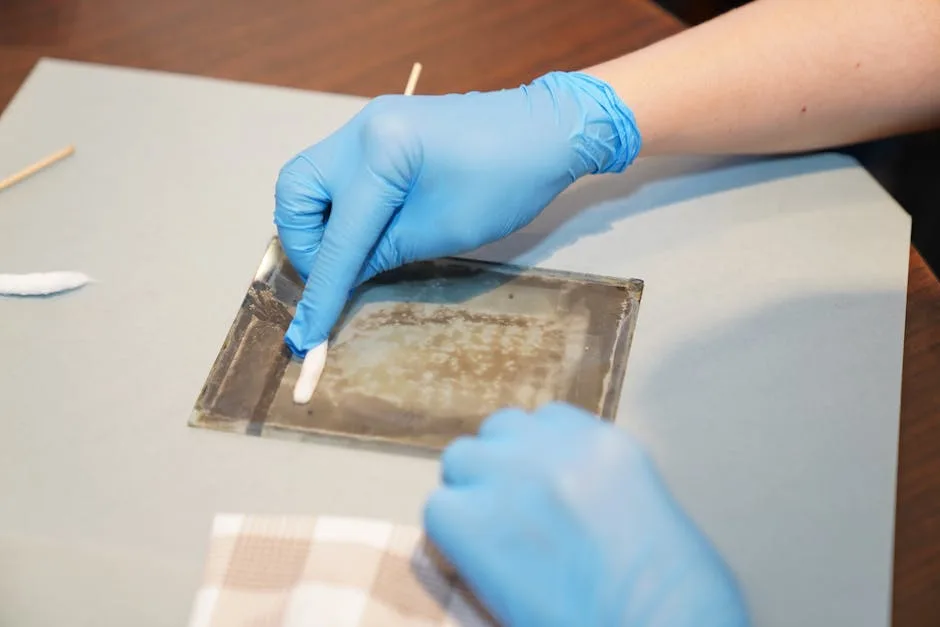
Practical tips for engaged visitors: look out for temporary exhibitions focused on restoration—several museums run workshop displays or demonstrations showing conservation stages. Donating to a parish for the conservation of an altarpiece can be a concrete gesture; ask church staff how to contribute. And always follow visiting rules: no flash, no touching, and keep a respectful distance to help preserve the works.
Conclusion: Why visit Lecce’s altarpieces and sacred paintings?
Visiting Lecce for its altarpieces and sacred paintings is a plunge into living heritage, where every painting anchors an understanding of faith, culture and local history. Altarpieces were not mere decoration: they were commissioned by confraternities, guilds and families to convey a precise message—pedagogical, ritual or commemorative. In Lecce, sacred art is both monumental and intimate: you can move from the monumental polyptych of Basilica di Santa Croce to a modest chapel panel that testifies to deep local devotion.
Practically speaking, you can cover the main sites in a few days: plan a morning for Basilica di Santa Croce and the Duomo, an afternoon for the Museo Diocesano and Museo Faggiano, and leave time to wander and discover small churches. Entry fees are generally modest (€0–€6) and most churches offer free access, making this exploration accessible. For the curious traveler, each altarpiece invites you to slow down: study paint layers, traces of restoration, ex-votos and inscriptions. These details tell everyday stories, aesthetic changes and a community’s hopes across centuries.
Finally, supporting the preservation of these works is tangible: join guided tours, make small donations or buy local publications so future generations can be moved by these images too. Lecce, with its golden light and warm Baroque, remains a top destination for rediscovering sacred art off the main tourist trails. Whether you’re an art history buff, a photographer, a pilgrim or a casual stroller, Lecce’s altarpieces and sacred paintings offer an experience rich in emotion, insight and beauty. Safe travels—and enjoy uncovering the stone and color of Baroque Lecce.