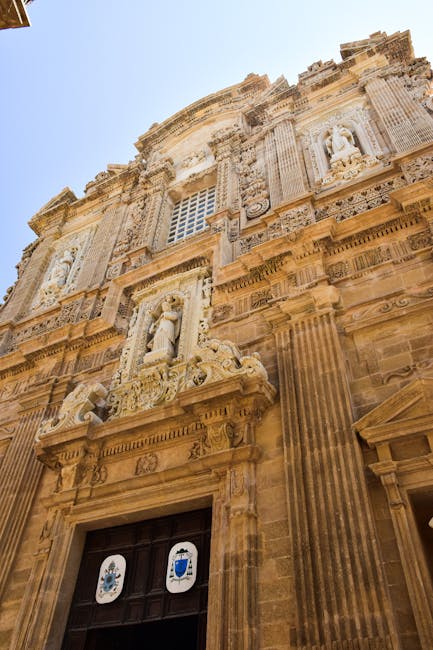






Introduction: A fast dive into Lecce’s hidden baroque
Lecce, the little capital of the Salento in Puglia, is often nicknamed the “Florence of the South” for its profusion of carved ornamentation and soft stone baroque architecture — the famous local stone known as pietra leccese. A “quick tour” here doesn’t mean a superficial rush: in half a day or a full day you can still catch the baroque spirit of the city, uncover less-visited treasures and understand why every cornice and every façade tells a story. This article is designed to guide you step by step, with exact addresses, practical opening times, prices and on-the-ground tips so you can get the most out of a concentrated immersion in Lecce’s hidden baroque.
This guide is aimed both at the traveler on a tight schedule — an afternoon stopover from Gallipoli or Otranto, a rail connection or a cruise passenger with limited time — and at the architecture lover who wants to focus discoveries on places rich in sculptural detail and local stories. You’ll find the must-sees plus a few lesser-known gems: intimate chapels, pocket museums, repurposed palaces and secret passages that reveal another scale of baroque, often visible only if you take the time to look up or push through a small gate.
I give you itineraries and suggestions that respect a short yet dense format: typical opening hours (with seasonal variations), precise addresses (so you can walk or use GPS), prices in euros (entry or tour fees where applicable), immersive descriptions — textures, sounds, light plays — and practical local tips (best time for light, heat-avoidance hideouts, nearby cafés, photo viewpoints). Suggestions take into account Lecce’s pinkish stone that catches morning and evening light, narrow streets that demand comfortable shoes, and churches where quiet behavior is required. The goal: turn a quick visit into a memorable experience full of details and truly local flavor.
Grab your camera, a good pair of shoes and a mental map: I’ll now take you through four compact routes across Lecce’s hidden baroque treasures — from a basilica’s bas-reliefs to a palace courtyard and an unexpected underground museum. Each section below contains practical pointers to optimize your time without sacrificing aesthetic impact. Enjoy your trip into Lecce’s baroque heart!
Basilica di Santa Croce and the Oratory of the Compagnia: baroque carving pushed to the limit
Start your route at Lecce’s baroque jewel: Basilica di Santa Croce, Piazza Santa Croce, 73013 Lecce LE. The church is famous for its exuberant façade, a profusion of volutes, cherubs, grotesque heads and floral motifs carved into pietra leccese. The effect is almost theatrical: the pinkish stone catches light differently depending on the hour, bringing out shadows and reliefs. The main entrance delivers an immediate visual punch; take time to study the friezes of putti and the details of the capitals.
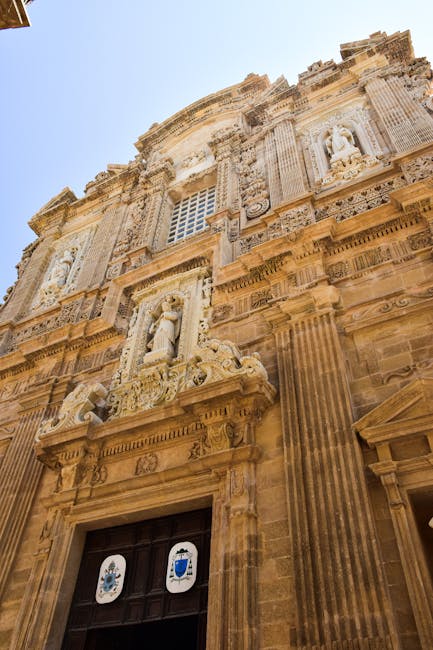
Opening hours: generally open every day from 9:00 to 13:00 and from 15:30 to 19:00; times may vary during religious services. Price: entry to the basilica is free, but climbing the bell tower or a special guided visit can cost around €3 to €5. Tip: arrive early in the morning (9:00–10:30) to avoid crowds and enjoy soft light on the façade.
Right next door, the Oratorio dei Celestini (Oratorio dei Cavallini) / Oratorio della Compagnia di Santa Teresa offers a contrast: intimate chapels, painted ceilings and baroque woodwork that you discover as you move deeper into the heart of the city. Exact address: Via Santa Croce, 73013 Lecce LE (located in the same area as the basilica). Hours: often open in the afternoon, roughly 10:00–13:00 and 16:00–19:00; check locally. Price: suggested donation of €2 to €4.
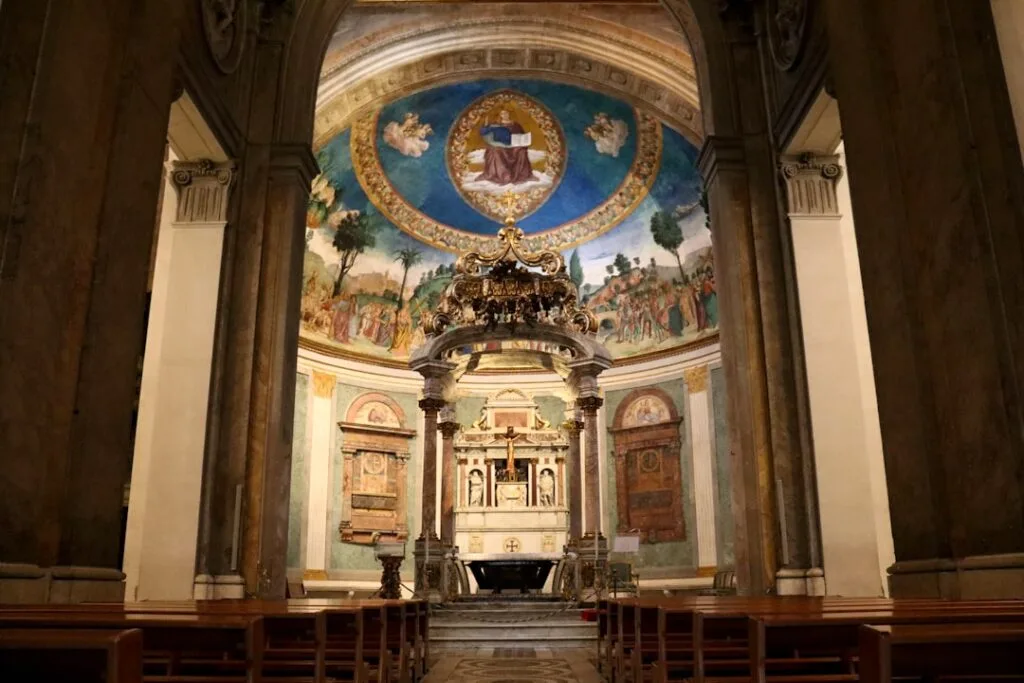
Practical tips: dress modestly inside (shoulders and legs covered during services), avoid large suitcases on the narrow cobbles and use the side benches to study carved details up close. After the visit, take a break at Bar Santa Croce (Via Giuseppe Libertini, 34) for an espresso or a pasticciotto — a small typical Salento pastry — before heading on toward the cathedral. The local pasticciotto is a great way to extend the sensory baroque experience, a mix of sweetness and tradition.
Duomo di Lecce and Piazza del Duomo: public baroque and hidden museums
The Cattedrale di Maria Santissima Assunta (Duomo di Lecce) sits on the Piazza del Duomo, Piazza Duomo, 73100 Lecce LE. The Duomo complex includes the main cathedral, the bell tower, the episcopal palace and the Museo Diocesano. The square itself is a masterpiece of baroque space, designed like an elegant public salon where façades and colonnades converse. Exact address for the Museo Diocesano: Piazza del Duomo, 31, 73100 Lecce LE.
Hours: the cathedral is usually open every day from 7:30 to 12:30 and 16:30 to 19:30; the Museo Diocesano di Lecce typically opens from 9:00 to 13:00 and 16:00 to 19:00 (closed on Mondays for some seasonal exhibits). Price: museum entry runs around €3 to €6 depending on the exhibit; the cathedral is free but fees sometimes apply for special areas or the bell tower (€2–€4).
Immersive description: inside the cathedral, the walls are lined with baroque side altars, gilded stucco and vivid frescoes. The bell tower (Campanile del Duomo) involves climbing several dozen steps — rewarded by panoramic views over rooftops and neighboring churches. At the Museo Diocesano, the collection of religious silverware, liturgical textiles and old paintings gives concrete context to the architecture: you’ll see how material wealth was used to stage the sacred in the 17th–18th centuries.
Practical tips: if you’re short on time, combine the museum visit with the bell tower climb for a quick but complete overview (allow 45–60 minutes). Service times can temporarily close access; check with the sacristy. Photography: respect no-flash zones and favor a wide-angle lens to capture the nave. Nearby, Via Duomo and Via Vittorio Emanuele host small artisan shops selling pietra leccese sculptures and papier-mâché objects — perfect for authentic souvenirs.
Castello di Carlo V and the baroque streets: secret courtyards and temporary exhibits
The Castello di Carlo V (Castello di Lecce) is located at Piazza Castello, 73100 Lecce LE. Long a military fortress, the castle has undergone transformations and today hosts temporary exhibitions, cultural events and art workshops. While the exterior is more restrained than the baroque churches, the interior hides courtyards, vaulted rooms, and sometimes contemporary installations that converse with the old.
Hours and price: access to the castle varies by exhibition; often open from 9:00 to 19:00 during the tourist season. Exhibition entry fees: €4 to €8 depending on the event; concerts and cultural evenings are often free (check the program). Tip: consult the municipal website or the tourist office before you go to find current activities and possibly join a guided tour.
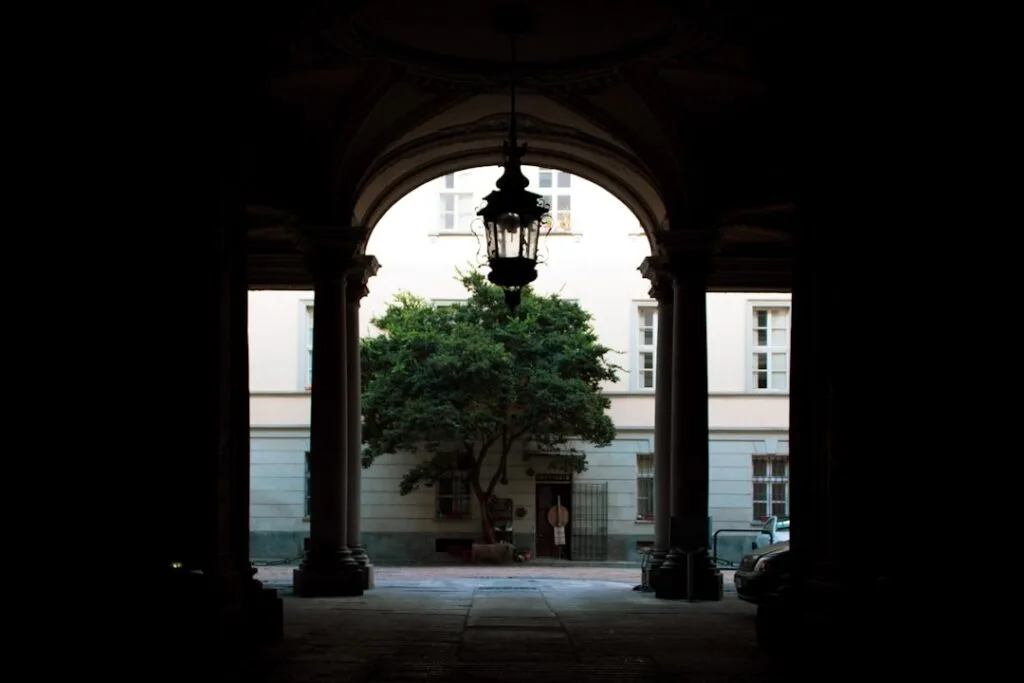
Surrounding streets: stepping away from the castle, stroll down Via Palmieri and Via degli Ammirati to find hidden inner courtyards and lesser-documented palace façades, like Palazzo Adorno (Via Libertini area) and Palazzo dei Celestini (Piazza Sant’Oronzo area). These palaces feature mascarons, wrought-iron balconies and decorative entrances — ideal for a detail-hunting walk.
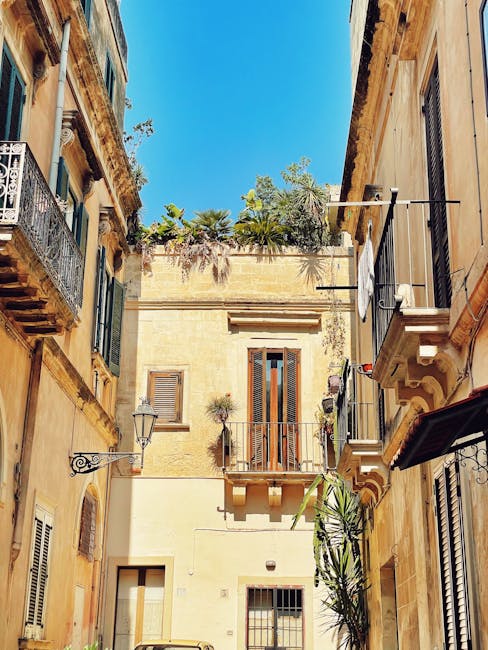
Practical tips: these alleys are shaded and great for sheltering from the summer sun; wear slip-resistant shoes as some cobbles can be slippery. If you’d like to enter a private courtyard, ask politely: many residents are happy to let you admire stone staircases and old wells. For lunch, try Osteria degli Spiriti (Via Palmieri, 17) for straightforward, generous local food — dishes ranging from about €8–€15.
Faggiano Museum, Roman Theatre and other gems: archaeology, small churches and artisan faith
To finish your quick tour, head to compact sites packed with surprises: the Museo Faggiano (Via Ascanio Grandi, 56, 73100 Lecce LE) is a small family-run museum born from a domestic excavation: uncovering archaeological layers, mosaics and past fragments, it illustrates how history stacks up in Italian urban centers. Hours: often open from 9:30 to 13:00 and 16:30 to 19:30; may be closed on Mondays. Price: entry around €5–€8.
The Teatro Romano and the archaeological area in Piazza Sant’Oronzo (Piazza Sant’Oronzo, 73100 Lecce LE) offer a radically different reading of baroque: here the ancient dialogues with modern reconstructions. The Roman amphitheatre, visible at ground level in the square, is a tangible reminder of historical layering. Price: exterior access and viewing are free; some guided tours may cost €3–€5. Open access hours: the square is open 24/7; guided services depend on scheduling.
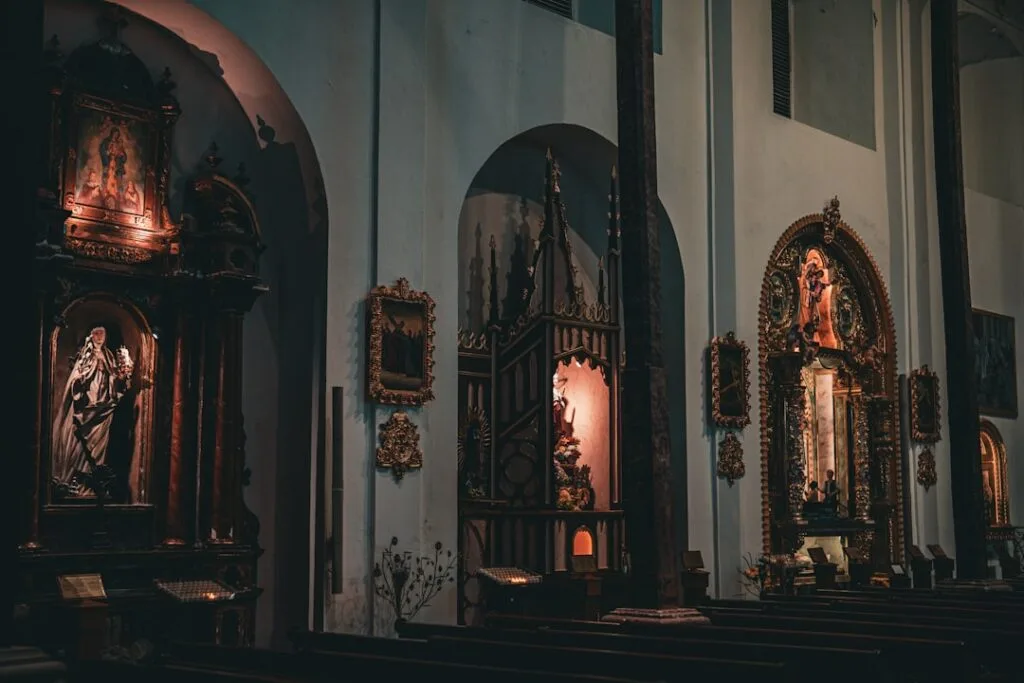
Other gems: the Chiesa di Sant’Irene (Piazza Sant’Irene, 73100 Lecce LE) is a small often-overlooked baroque church, with carved chapels and an ornate altarpiece. Hours: usually 9:00–12:00 and 16:00–19:00, but variable. Price: free-will donation. Finally, don’t miss local sculptors’ workshops — for example, the pietra leccese workshop on Via Trinchese — to see traditional techniques (often visits by appointment; cost varies).
Practical tips: for a quick visit, combine Museo Faggiano + Piazza Sant’Oronzo + Sant’Irene into a 90–120 minute loop. Buy a combined ticket if available to save money; check small churches’ opening hours as they can be closed during services. Carry water — public fountains are limited in summer — and ask at a local bar where to refill your bottle. Finally, talk to locals: a shopkeeper or an impromptu guide will often point out an exceptional façade or a tiny chapel missing from tourist maps.
Conclusion: baroque shortcuts and lasting souvenirs
A quick visit to Lecce may sound ambitious, but by targeting the right spots — Basilica di Santa Croce, the Duomo and Museo Diocesano, Castello di Carlo V, Museo Faggiano, Teatro Romano and small churches like Sant’Irene — you get a complete picture of Lecce’s baroque: its materiality and its everyday life. The addresses provided let you plan walking routes without wasting time: Piazza Santa Croce, Piazza del Duomo, Piazza Castello, Via Ascanio Grandi and Piazza Sant’Oronzo form a compact network that’s easy to cover. The prices listed (entries from €0 to €8) and typical hours help you craft an efficient half-day without surprises.
Beyond practicalities, remember the sensory experience: pietra leccese changing color with the light, the scrape of sandals on cobbles, the scent of cafés and local pastries — a warm pasticciotto — and the glance of a sculptor still working today in an age-old workshop. Those little touches turn a quick stop into a lasting memory. To bring a piece of Lecce home, look for local stone items, postcards of façades and a wrapped pasticciotto for the journey.
A few final tips: favor morning or late-afternoon light, check hours on religious holidays, wear comfortable shoes and respect places of worship. If time allows, book a local guided tour — often led by art history students — for an extra hour of explanation that will reveal hidden details. Lecce is compact but deep: even a quick tour can uncover its baroque treasures if you look carefully, listen to the stories and let the stone speak to you.