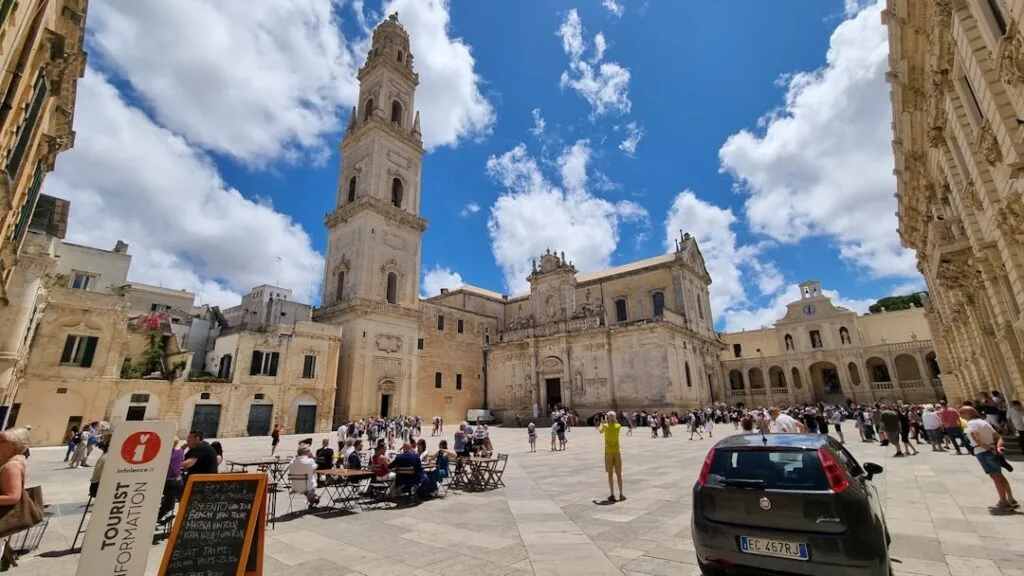






Introduction: A Dive into Lecce’s Religious Soul
Lecce, the “Florence of the South,” is far more than a showcase of Baroque stone — it’s a city whose religious history has carved its streets, squares and collective spirit since antiquity. Nestled in the heart of the Salento peninsula in Puglia, Lecce has been a crossroads of Christian, Byzantine, Norman and Spanish influences. Those successive layers are written into the carved façades, church tympana, silent cloisters and the relics kept in ecclesiastical treasuries. For the curious traveler, understanding Lecce means following a spiritual trail: a sequence of sites, stories of saints, and local architects and artisans who turned a provincial town into a symphony of stucco and faith.
This piece, “Lecce’s Religious Heritage: 10 Must-See Stops,” lays out ten essential stops to trace the city’s spiritual and artistic arc. Each stop focuses on a specific site — a church, basilica, cathedral, monastery or religious museum — providing the exact address, typical opening hours, prices in euros (when applicable), immersive descriptions and practical tips to make the most of your visit. You’ll also find recommendations for the best light for photography, crowd-avoidance tricks, and keys to understanding the iconographic details that punctuate each visit.
Whether you’re a pilgrim, architecture lover, photographer or casual stroller, this ten-stop itinerary will guide you through eras and styles: from the solemn scale of the Cattedrale di Lecce (Duomo di Lecce) to the exuberant ornamentation of the Basilica di Santa Croce, from silent cloisters to the hidden treasures of side chapels. Each stop is written to stand alone (address, hours, prices), but together they tell a continuous story — how faith, power and art braided together here to shape both the urban landscape and local identity.
Before we start, a few practical tips: wear comfortable shoes (streets can be cobbled and uneven), bring a shawl or scarf for places of worship where shoulders and knees must be covered, buy skip-the-line tickets when possible for museums, and plan visits early morning or late afternoon for the most flattering light and milder temperatures. Keep in mind that religious schedules (masses, offices) can alter access to some areas; always respect local signs and rules, and savor the quiet and reverence when they present themselves.
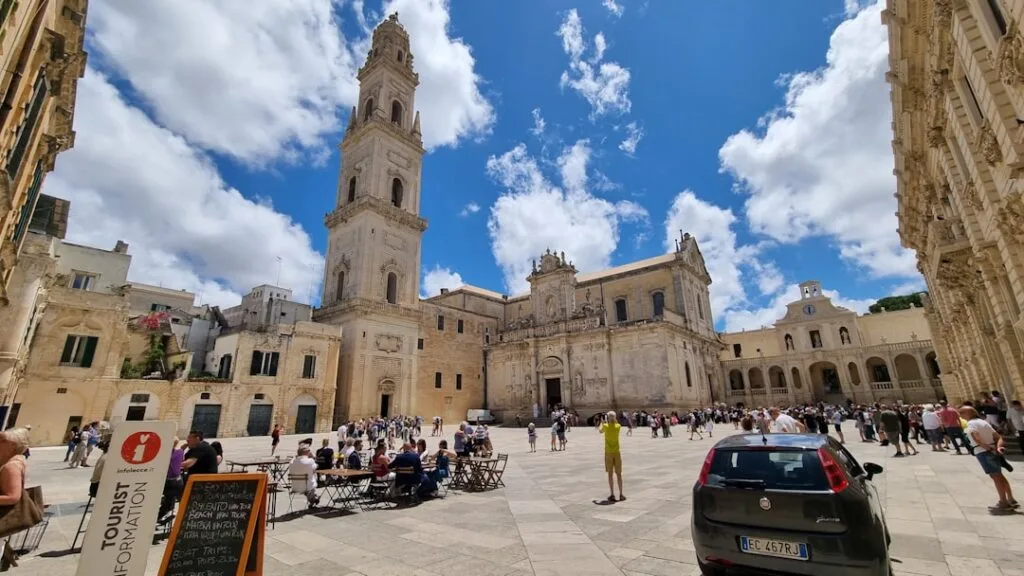
1. Duomo di Lecce (Cattedrale di Maria Santissima Assunta) — Piazza del Duomo, 73100 Lecce LE
The Cathedral of Maria Santissima Assunta is Lecce’s spiritual heart. Sitting on the majestic Piazza del Duomo, the cathedral complex marries structural restraint on the outside with richly Baroque interiors. Exact address: Piazza del Duomo, 1, 73100 Lecce LE, Italy. Entry to the cathedral is usually free, but access to the bell tower (a scenic viewpoint) and the Museo Diocesano may carry a fee (expect roughly €3–6 for the bell tower and €5–8 for the Diocesan Museum; indicative rates). Opening hours vary with season and services: generally the cathedral is open from 8:30 to 12:30 and 16:00 to 19:30, but check locally for mass times and ceremonies.
Architecturally, the Duomo’s façade is more restrained than its neighbor, the Basilica di Santa Croce, but inside you’ll find a luminous nave, richly decorated side chapels and a choir lavishly set with marble and gilding. Don’t miss the baptistery and the paintings at the high altar; the stucco work and woodcarving testify to the skill of 17th-century local artisans. Climbing the bell tower gives panoramic views over the cathedral roofs and across Lecce — an excellent spot for sunset photos.
Practical tips: arrive early to enjoy the morning silence and the first rays hitting the nave. To climb the bell tower, ask at the cathedral reception: access can be limited and often happens in groups, typically between 10:00 and 18:00 depending on the season. Respect prayer times: if a mass is underway, enter quietly or return later. History lovers should combine the Duomo visit with the Museo Diocesano (Piazza del Duomo, 2), which houses manuscripts, chasubles and liturgical objects.
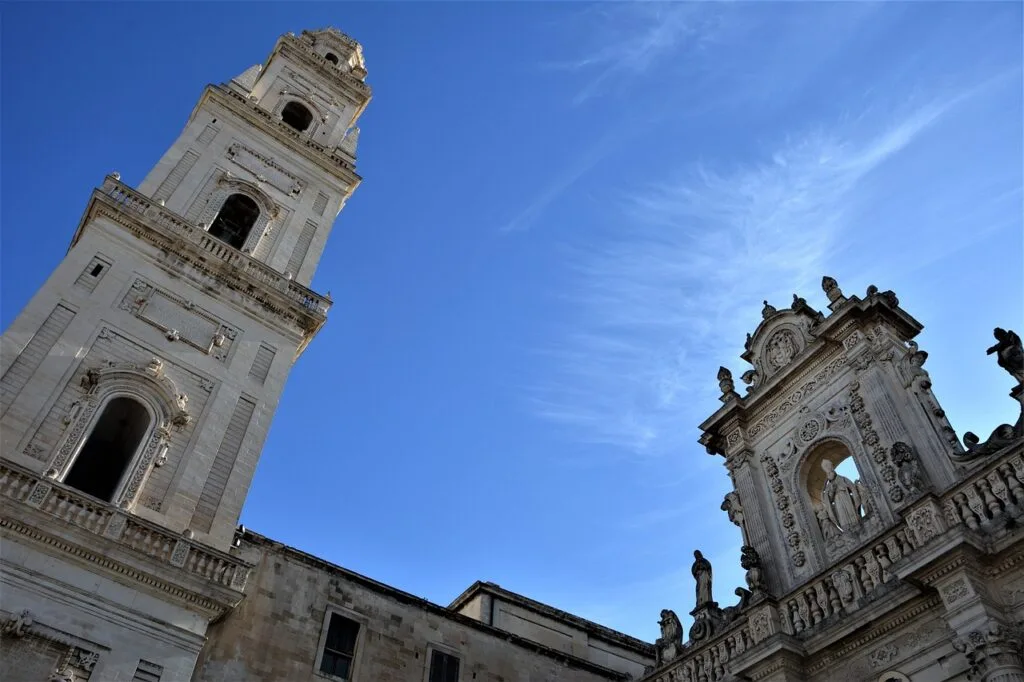
2. Basilica di Santa Croce — Piazza Santa Croce, 73100 Lecce LE
The Basilica di Santa Croce is widely hailed as the masterpiece of Lecce Baroque. Address: Piazza Santa Croce, 73100 Lecce LE, Italy. Access to the main nave is generally free; guided tours or entry to certain heritage areas (sacristy, adjacent museum) may be ticketed, typically between €2 and €6. Usual opening hours: 9:00–13:00 and 15:30–19:30 (subject to seasonal changes and services).
Santa Croce’s façade is a declaration of sculptural exuberance: atlantes, angels, grotesques and vegetal motifs weave a lacework of stone that catches the light. Inside, the atmosphere is more intimate: side chapels, richly decorated altars and delicate stucco create a contrast between the monumental exterior and a nearly domestic interior. The sacristy sometimes displays liturgical objects and relics, and explanatory panels recount the construction phases and restorations commissioned by wealthy patron families in the 16th–17th centuries.
For photographers, the best light to capture the façade is early morning or late afternoon when raking light sculpts the carvings. Inside, favor natural light filtering through the windows to highlight gilding and marble without flash (which is forbidden). Practical tip: to avoid crowds, enter from the small adjacent streets (Via Federico d’Aragona or Via Giuseppe Libertini); these alleys also offer charming viewpoints on secondary portals.
3. Piazza Sant’Oronzo and the Column of Sant’Oronzo — Piazza Sant’Oronzo, 73100 Lecce LE
Piazza Sant’Oronzo is Lecce’s liveliest square, dominated by the Column of Sant’Oronzo and lined with historic buildings, churches and cafes. Address: Piazza Sant’Oronzo, 73100 Lecce LE, Italy. The column itself is a public monument freely accessible — no entry fee. Nearby is the Chiesa di Santa Irene (Piazza Sant’Oronzo, 73100 Lecce LE), usually open from 10:00 to 19:00; entry is free though donations are often suggested for guided visits or upkeep.
Historically, Sant’Oronzo is the city’s patron saint; the column commemorates his role in Lecce’s long religious history. The square also preserves Roman traces — the Roman Amphitheatre of Lecce is visible at ground level (Piazza Sant’Oronzo, 73100 Lecce LE) and sometimes offers guided visits with reduced-price tickets, often between €3 and €5. The ensemble illustrates the coexistence of pagan and Christian layers: Roman columns, medieval constructions and Baroque sanctuaries converse amid café terraces.
Tips: enjoy a coffee on the terrace to watch daily rhythms and spot religious processions if you’re here during Holy Week or the feast of Sant’Oronzo (August). For deeper context, book a guided tour linking the Roman remains to the development of Christian worship on the square. Photo hint: the column and the amphitheatre make a stunning composition at sunset when the square lights up.
4. Chiesa di San Matteo — Via G. Libertini, 73100 Lecce LE
Located on Via Giuseppe Libertini (Via G. Libertini), the Chiesa di San Matteo is a small church that reflects the growth of lay confraternities in Lecce. Address: Via Giuseppe Libertini, 16, 73100 Lecce LE, Italy. Often less busy than the major basilicas, San Matteo offers an intimate visit: typically open 9:30–12:30 and 16:00–18:30, with free entry or a small donation (around €1–3) for maintenance.
This church is notable for its carefully executed interior decoration, frescoes and side altars adorned with local paintings. San Matteo shows how confraternities and mendicant orders shaped urban piety, funding chapels and commissioning artworks. The chapel dedicated to the patron saint contains a statue and votive offerings that make visible the link between popular devotion and everyday religious practice.
Tips: pair this stop with a stroll through the surrounding Baroque neighborhood to discover private portals and tiny squares often missed by guidebooks. If you’re into sacred music, ask in advance: some Lecce churches host Baroque concerts or organ recitals, often posted at the entrance or on the parish noticeboard.
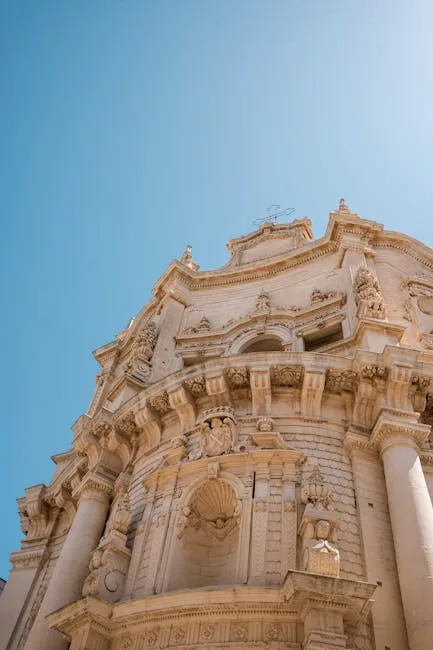
5. Monastero di Santa Chiara and Chiesa di Santa Chiara — Piazza G. Paladini, 73100 Lecce LE
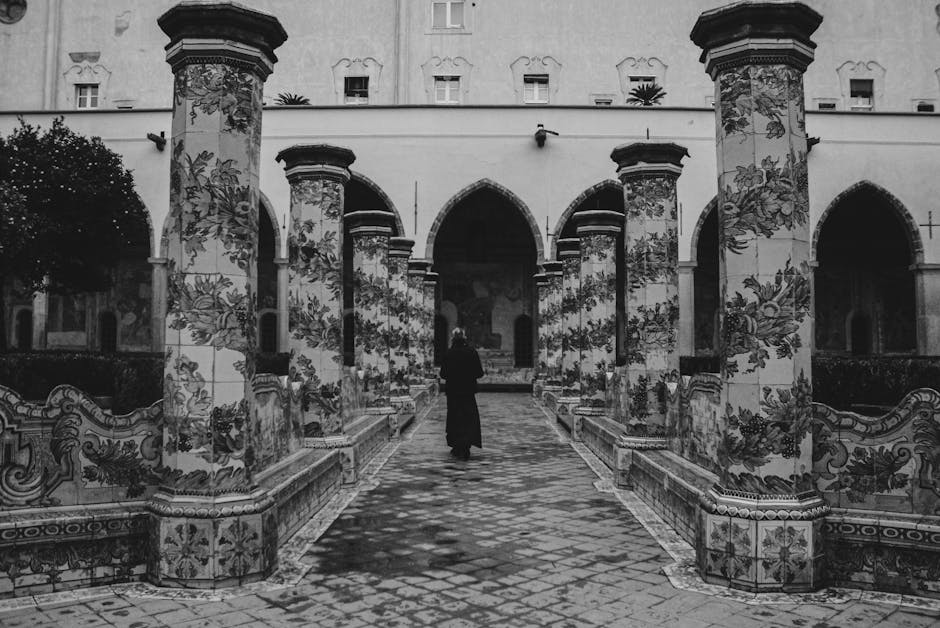
The Monastery and Church of Santa Chiara form an important monastic complex for understanding female religious life in Lecce. Address: Piazza G. Paladini, 2, 73100 Lecce LE, Italy. The cloister and church are sometimes open as part of guided visits: indicative fees €3–7 and typical hours 9:00–13:00 and 15:30–18:00 (check locally). The monastic spaces provide a calming contrast to the bustle of the center: walled gardens, arcaded galleries and chapels reserved for vespers.
Architecturally, the church displays Baroque elements alongside older traces, reflecting successive phases of enlargement. The interior houses works by local masters and well-preserved liturgical furnishings. The cloister is a haven for reading, meditation or quietly observing daily life if the convent is still active. Temporary exhibitions sometimes highlight textile and religious craft production.
Practical tips: respect silence and guided-visit signs; the cloister can be closed during services. For a deeper experience, ask about thematic tours (monastic life, female iconography, liturgical textiles) often organized through local tourist offices. If you want to photograph, always ask permission — some spaces remain private and reserved for religious life.
6. Chiesa di Sant’Irene — Piazza Sant’Oronzo, 73100 Lecce LE
The Chiesa di Sant’Irene, located on Piazza Sant’Oronzo, stands just steps from the column dedicated to Sant’Oronzo. Address: Piazza Sant’Oronzo, 73100 Lecce LE, Italy. This building is a fine example of balance between restraint and refinement, and it’s often open to visitors between 10:00–12:30 and 16:00–19:00; entry is generally free though donations are welcome for upkeep.
Sant’Irene is tied to local devotion to the saint and plays an important role during municipal religious festivals. Inside, the side altars, paintings and chapel layouts narrate episodes from the lives of saints venerated in Lecce. Liturgical ceremonies — particularly those in the Easter season — lend the church a dense, expressive atmosphere, heavy with incense and polyphonic singing.
Tips: plan a visit during a mass to experience the local liturgy, but respect the atmosphere of devotion. Outside of services, ask the sacristan for explanations about the artworks: those small conversations often reveal historical details and local anecdotes. Also allow time to linger on the square where cafés and terraces invite you to extend the visit.
7. Museo Diocesano di Lecce “C. Verdesca” — Piazza del Duomo, 2, 73100 Lecce LE
The Museo Diocesano “C. Verdesca” sits at the heart of the Duomo complex, at Piazza del Duomo, 2, 73100 Lecce LE, Italy. It’s the ideal place to deepen your understanding of liturgical objects, manuscripts, chasubles and reliquaries that aren’t always on view in churches. Typical admission: €5–8 (reduced rates for students and seniors); hours: 10:00–13:00 and 15:00–18:00 (check seasonally).
The museum displays a rich collection of religious objects, from medieval sculptures to Baroque ornamentation and pieces of liturgical goldsmithing. Each case includes historical context and liturgical background — useful for grasping how sacred art interacted with popular devotion. Temporary exhibitions often highlight restoration projects or specific themes (stained glass, textiles, religious metallurgy).
Practical tips: take an audio guide or guided tour to get the most from the collections; Italian-only labels sometimes lack detail in English. If you’re a researcher or student, contact the museum in advance for archive access or special pieces. Photography without flash is usually allowed, but check at the entrance for restrictions in each room.
8. Santuario della Madonna della Lizza — Via Regina Margherita, 73100 Lecce LE
The Santuario della Madonna della Lizza, on Via Regina Margherita, is an important Marian shrine for popular devotion in Lecce. Address: Via Regina Margherita, 20, 73100 Lecce LE, Italy. Access is most often free; opening hours vary with local celebrations, but services are typically held morning and evening (8:00–12:00, 16:00–19:00).
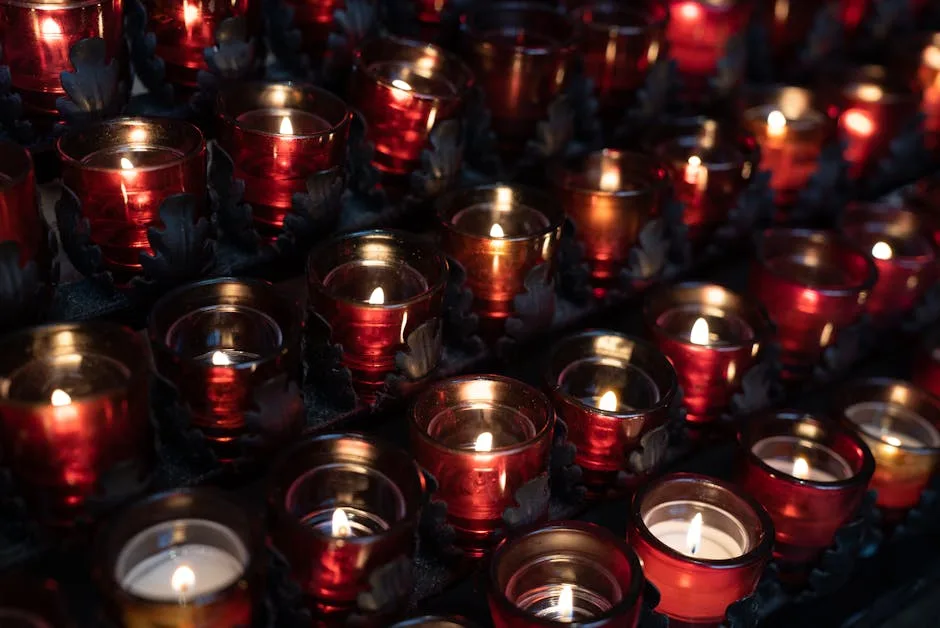
The sanctuary mixes simple architectural elements with intense devotion: votive offerings, photographs, offerings and candles reflect residents’ attachment to the Madonna. The atmosphere is serene, and a visit reveals the popular fervor that complements the official piety of larger basilicas. The main chapel often displays a venerated icon or statue framed by a retable and recently restored ornaments.
Tips: respect candle use and the areas reserved for prayer; if you buy candles, follow instructions about where to place them. The sanctuary is also a place to meet elderly locals ready to share memories and stories about miracles attributed to the Madonna — listening to these testimonies is a real ethnographic privilege.
9. Museo Faggiano — Via Ascanio Grandi, 56, 73100 Lecce LE
Museo Faggiano is a unique house-museum that reveals Lecce’s religious and everyday history through archaeological finds uncovered during renovation work. Address: Via Ascanio Grandi, 56, 73100 Lecce LE, Italy. Admission: about €3–6 (small private museum, indicative rates). Hours: typically 9:30–13:00 and 16:30–19:30 (check during high season).
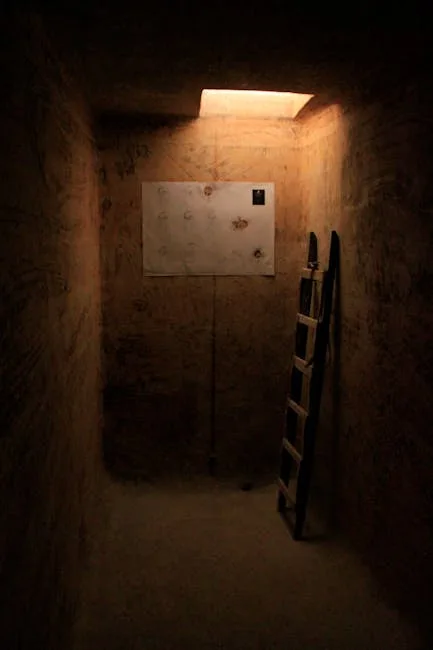
While digging to install a staircase, the Faggiano family uncovered layer upon layer of occupation: burials, domestic chapels, liturgical objects and mosaics. Each room in the museum tells a slice of history — from Roman occupation to medieval presence and the practice of household religion. It’s a fascinating example of how religion was embedded not only in churches but at the heart of family life.
Tips: the visit is short but intense — allow 30–45 minutes. Visitor numbers are limited to protect the site, so book in high season or arrive early. Local guides tell the discoveries with great enthusiasm: listen closely, it enriches the experience. Note: access includes narrow stairs and sometimes low passages.
10. Processions, Religious Feasts and Lecce’s Liturgical Calendar
To fully grasp Lecce’s religious history you need to experience its festivals and processions. Liturgical events (Holy Week, the feast of Sant’Oronzo, Marian processions) give visitors a living dimension: chants, traditional dress, relics carried in procession and decorated streets. Dates change each year but a few touchstones: Holy Week centers around Easter with nocturnal processions; the Festa di Sant’Oronzo takes place around August 26th with ceremonies and popular gatherings.
These events are free but they alter church schedules and access to some squares. Processions often take place in the evening: dusk light and torches create powerful photographic atmospheres. Local confraternities, dressed in historic costumes, take part in the ceremonies and sometimes explain rites to curious visitors.
Practical tips: if you plan your trip around a religious festival, book accommodation and restaurants well in advance. Respect safety and behavioral guidelines: maintain silence at certain moments, don’t climb temporary structures, and keep your distance from reliquaries. For photography, bring a fast lens and respect indoor no-flash rules. Finally, check with Lecce’s tourist information office (Ufficio Informazioni Turistiche, Piazza Sant’Oronzo or Piazza del Duomo depending on season) for the full program and any restrictions.
Conclusion: A Spiritual and Sensory Route Through Lecce
Lecce first speaks through its stones, but those stones turn into voices when you approach churches, museums and squares. Walking these ten stops — from the Duomo di Lecce to the Basilica di Santa Croce, from sanctuaries to private museums like Museo Faggiano — you trace a plural religious history: public rites, private devotions, artistic patronage and monastic life. Each stop provides practical information (addresses, hours, approximate prices), but above all an invitation: look closely at carved details, listen for distant bells, and take a few minutes to sit in a chapel in silence.
For the traveler, Lecce asks for a slow pace. Successive visits reveal overlapping historical layers — Roman remnants mingled with Baroque piety, domestic chapels and Marian shrines. The practical tips scattered through this article will help you plan your days (best times for photos, dress code, tickets for certain sites) and respect the local liturgical life. Remember that hours and prices can change: contact sites ahead when possible, or drop by the local tourist office for updates.
Finally, let yourself be carried by encounters: a sacristan who shares a story, an elderly woman showing an ex-voto, a passionate guide pointing out a hidden sculptural detail. These moments make exploring Lecce’s religious history an intimate, memorable experience. Whether you seek to deepen your faith, your art knowledge or simply soak up the atmosphere of a Baroque town, Lecce offers a route where religious history becomes living material — to be explored step by step, church by church, square by square.