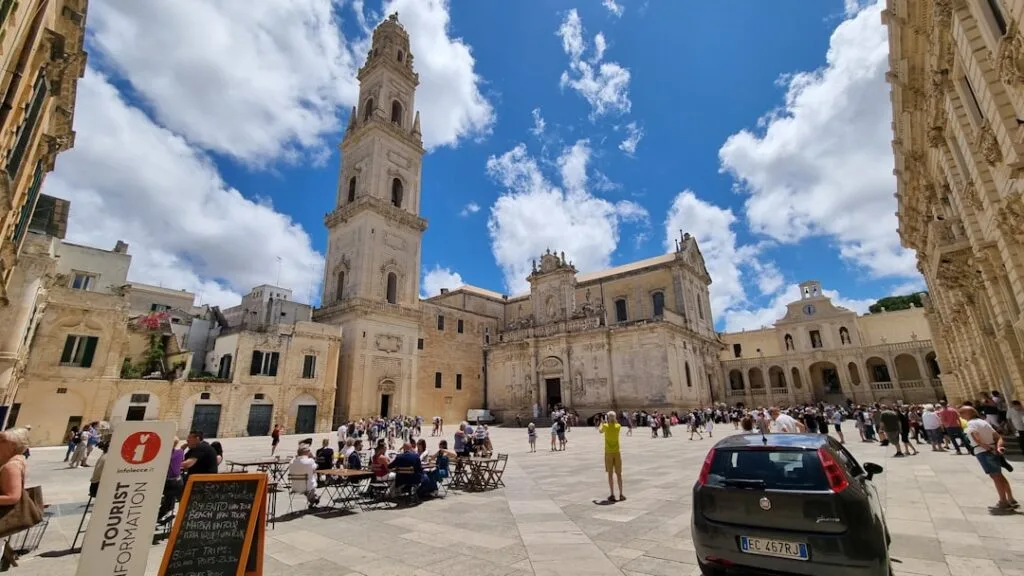






Introduction — Lecce and the Baroque: a stroll through a sculpted city
Lecce, nicknamed the “Florence of the South” or the “Baroque capital” of Puglia, is an open-air museum. Nestled in the historic Salento region, it surprises visitors with the abundance and exuberance of its local baroque architecture, the « Barocco Leccese » — a distinctive, highly decorative take on Italian baroque where vegetal ornamentation, masks, putti, mermaids and fantastic beasts are carved from the warm local limestone known as pietra leccese. Wandering the historic center of Lecce is like stepping into a city that speaks to you through its façades, inner courtyards and squares: each building seems to tell a story of craftsmanship, trades and popular devotion.
This article is a thorough guide to the ten must-see baroque monuments in Lecce’s historic center. For each site you’ll find the full name, exact address, typical opening hours, prices in euros (entrance fees or notes on free access), and — most importantly — an immersive description that conveys the atmosphere, sculptural details and visitor experience. You’ll also get practical tips: best time of day for photographers, access info, suggested visit duration, nearby links to other sites and tricks to avoid the crowds.
The “top 10” order follows a walking route through the center: it starts with the Basilica di Santa Croce — an icon of the Leccese style — and unfolds through the other masterpieces that dot the lanes and historic squares. Whether you’re an architecture buff, a photographer, a curious traveler or just passing through for a weekend, this guide will help you plan your strolls to make the most of Lecce’s baroque riches. Practical details (addresses, hours, fees) are included to help you prepare; keep in mind opening times can change with the seasons or religious ceremonies, and prices may be adjusted by site managers.
To help you visualize the city and plan your shots, this article includes targeted image markers — visual suggestions with precise English keywords — to use as reference for searching royalty-free photos or to inspire your own images. Lace up your walking shoes: the historic center is best explored on foot, and every corner hides a carved surprise. Enjoy your visit to baroque Lecce!
1. Basilica di Santa Croce — Piazza Santa Croce, 73100 Lecce (LE)
Address: Basilica di Santa Croce, Piazza Santa Croce, 73100 Lecce, Lecce (LE), Italy.
Opening hours: usually 9:00–13:00 and 16:00–19:00 (Mon–Sat), 9:00–12:30 and 16:00–19:00 (Sun). Closed during some masses; check on site.
Price: access to the basilica is free (donations welcome), guided tours and access to certain areas (crypt, loggia) sometimes cost: €3–6 depending on the season.
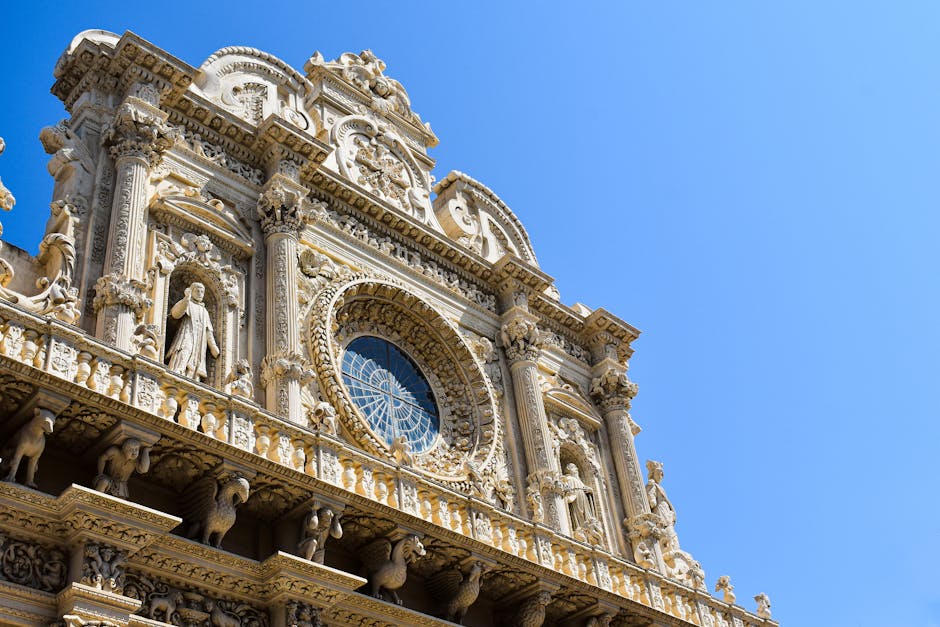
The Basilica di Santa Croce is often hailed as the jewel of the Barocco Leccese. Its façade is a true lacework of stone, covered in a profusion of sculptures: twisted columns, caryatids, grotesques, vegetal motifs and allegorical figures woven into a carefully composed whole. The light-colored pietra leccese catches the early morning and evening light in a unique way, so each visit feels different. Inside, although more restrained than the façade, the church houses richly decorated chapels, stucco work, altarpieces and sculptural details that continue the exterior’s ornamental language.
Practical tips: come early (8:30–9:30) to enjoy the façade bathed in soft light and avoid the crowds. If access is allowed, climb up to the loggia or upper levels — the view over Lecce’s rooftops and the Duomo bell tower is exceptional. Photographers should bring a wide-angle lens and be ready to raise ISO indoors; a discreet tripod can be useful if you visit outside peak hours.
 Click here to discover Lecce’s baroque secrets in a 3-hour tour
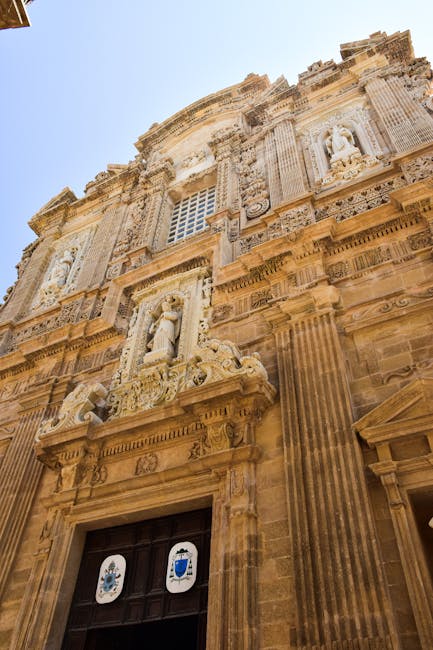
2. Cattedrale di Maria Santissima Assunta (Duomo di Lecce) — Piazza del Duomo, 73100 Lecce (LE)
Address: Duomo di Lecce (Cattedrale di Maria Santissima Assunta), Piazza del Duomo, 73100 Lecce, Lecce (LE), Italy.
Opening hours: usually 8:00–12:30 and 16:30–19:00 (daily); religious services may limit visitor access.
Price: main cathedral entry is free; guided tours and ascent of the bell tower are charged: roughly €3–8 (varies by tour or event).
Lecce’s Duomo, set on the picturesque Piazza del Duomo, forms a harmonious and dignified ensemble with the surrounding buildings. Its façade balances restraint with baroque detailing, while the interior impresses with rich decorations, stuccoes and a superb inlaid pavement that showcases the skill of local workshops. The standout feature for many visitors is the campanile: the tower offers sweeping views over the historic center and the maze of baroque streets.
Practical tips: time your tower climb for sunset — the golden light over the stone roofs makes for stunning photos. If you attend a mass, arrive early and respect local customs; it’s also a chance to see the church in active use and appreciate the baroque acoustics. For families, consider combining the cathedral with the Diocesan Museum visit — check for combined tickets.
Click here to book a walking tour of Lecce
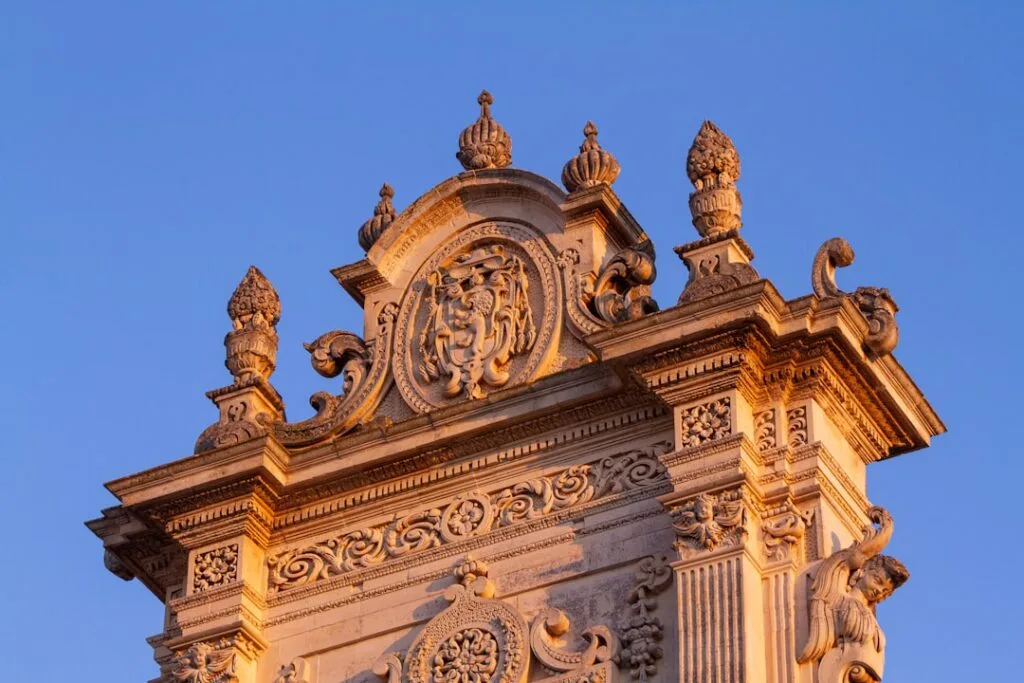
3. Piazza Sant’Oronzo and the Roman Amphitheatre — Piazza Sant’Oronzo, 73100 Lecce (LE)
Address: Piazza Sant’Oronzo, 73100 Lecce, Lecce (LE), Italy — Roman Amphitheatre visible in the center of the square (entrance from the piazza).
Opening hours: the square is open at all times; the amphitheatre is visible from the square 24/7 (exposed areas); guided tours and temporary exhibitions typically 9:00–19:00 (hours vary).
Price: free to view the parts visible from the square; exhibitions or guided tours around the amphitheatre €3–5 depending on the event.
Piazza Sant’Oronzo is the lively heart of Lecce: cafés, shops and passersby converge around the saint’s column and the Roman remains. The Roman Amphitheatre, gradually uncovered beneath medieval buildings, presents an impressive scene: buried arenas and seating that tell the story of Lecce long before its baroque blossoming. The interaction between ancient ruins and surrounding baroque façades creates a striking visual contrast, highlighting the city’s layered history.
Practical tips: the square is perfect for a coffee break — sit at a terrace and watch everyday life unfold. For photographers, the evening golden hour highlights the Sant’Oronzo column and the amphitheatre’s reliefs; a standard focal length (35–50 mm) captures the urban scene well. If you’re into ancient history, look out for information panels and guided tours that offer an archaeological reading of the site.
Click here to book a guided tour of Lecce’s underground
4. Castello di Carlo V (Castello Svevo) — Piazza Castello, 73100 Lecce (LE)
Address: Castello di Carlo V (Castello Svevo), Piazza Castello, 73100 Lecce, Lecce (LE), Italy.
Opening hours: 9:00–19:00 (April–September), 9:00–17:00 (October–March). Closed on some public holidays; check the official site or local tourist office.
Price: standard admission €3–6 (reduced rates for students, seniors; family or combo tickets sometimes available for exhibitions).
Built in the 16th century by the Spanish rulers, Castello di Carlo V is an interesting example of military architecture that later absorbed baroque elements. Its massive walls and squat silhouette contrast with the delicate ornamentation of the old town; inside, exhibition rooms, a walkway and museographic displays tell Lecce’s military and civic story. The castle often hosts temporary exhibitions and cultural events, offering a contemporary take on the heritage.
Practical tips: allow at least 1 hour for the visit, more if there’s a temporary exhibition. Climb the ramparts for a 360° view of Lecce. In summer bring water and a hat — outdoor areas can be very exposed. Ask at the ticket office about audio guides in multiple languages to better follow the site’s historical evolution.
Click here to explore Lecce’s baroque architectural treasures
5. Palazzo dei Celestini (Prefecture) — Piazza Sant’Oronzo / Via Umberto I, 73100 Lecce (LE)
Address: Palazzo dei Celestini (Palazzo della Prefettura), Piazza Sant’Oronzo / Via Umberto I, 73100 Lecce, Lecce (LE), Italy. (Main entrance on the piazza; building houses public offices).
Opening hours: façade and exterior spaces visible at all times; interior visits possible only during events or by authorization (hours vary).
Price: access to the façade is free; interior visits during events €3–5 or free during heritage days.
The Palazzo dei Celestini, originally baroque and later transformed into the Prefecture seat, is notable for its rhythmically articulated façade with columns, balconies and rich bas-reliefs. Designed to impress, it symbolizes ecclesiastical and civic power of past centuries. Inner courtyards, when open to the public, reveal typical baroque perspectives: light plays, successive vistas and finely carved details. Even if interior access is limited, a close look at the façade is enough to admire the decorative virtuosity.
Practical tips: photographers will find the façade particularly photogenic in late afternoon light; look for sculpted details (masks, cherubs) around the balconies. To visit inside, check with the Lecce tourist office in advance or wait for local heritage days (Giornate FAI) that often open normally closed spaces.
Click here to discover Lecce in a 2-hour baroque adventure
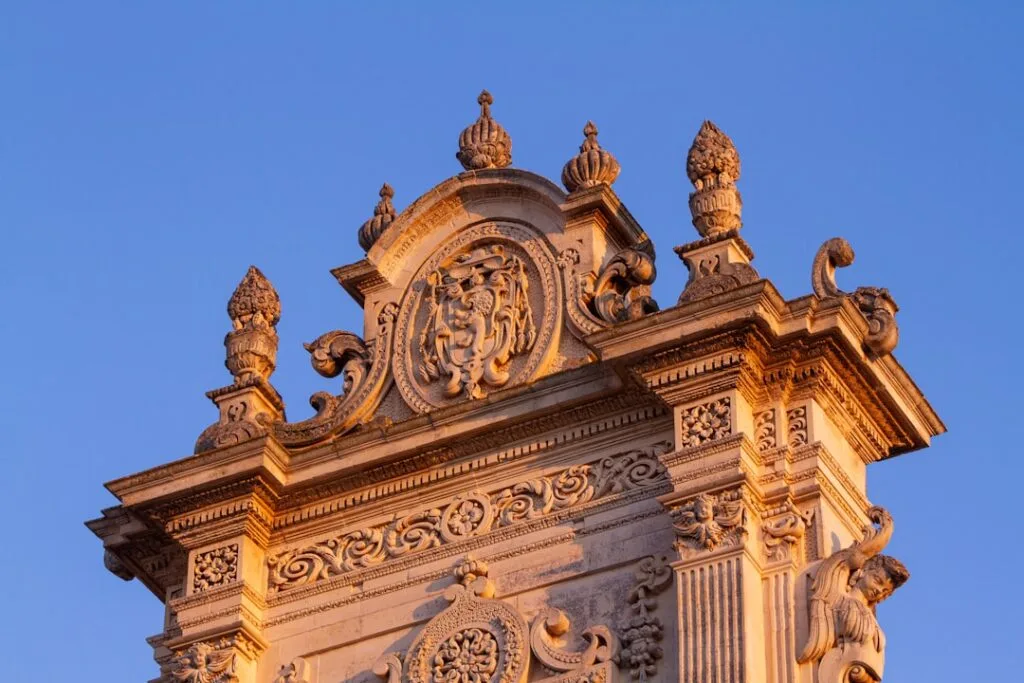
6. Basilica di Santa Maria della Grazia and Piazza del Sedile — Via Vittorio Emanuele II / Via dei Vio, 73100 Lecce (LE)
Address: Basilica di Santa Maria della Grazia (also near Piazza del Sedile), Via Vittorio Emanuele II / Via dei Vio, 73100 Lecce, Lecce (LE), Italy.
Opening hours: generally 9:00–12:30 and 16:00–19:00; hours may vary for religious celebrations.
Price: free entry (donations accepted); some local guided visits may charge €2–5.
This basilica, less monumental than Santa Croce but equally meaningful, shows how baroque style permeated Lecce’s religious urban fabric. The church stands out for its sculpted portal, richly decorated interior chapels and an intimate atmosphere conducive to contemplation. Nearby, Piazza del Sedile preserves traces of old municipal institutions: the Sedile (former seat of local authorities) is surrounded by baroque buildings with finely worked façades.
Practical tips: combine the basilica visit with a stop at Piazza del Sedile to observe the façades in perspective. The neighborhood is full of small artisan shops offering souvenirs and objects carved from local stone. The adjacent lanes also provide great spots to sample regional specialties away from the busy main squares.
7. Chiesa di San Matteo (Church of San Matteo) — Via Giovanni Paolo II / Via San Matteo, 73100 Lecce (LE)
Address: Chiesa di San Matteo, Via San Matteo / Via Giovanni Paolo II, 73100 Lecce, Lecce (LE), Italy.
Opening hours: often 10:00–13:00 and 16:00–19:00; times may change for services.
Price: free entry; contextual guided visits €2–4 if organized by local associations.
Chiesa di San Matteo, a bit less famous than some other city monuments, represents an interesting example of the Barocco Leccese applied on a more modest scale. The church features a neat portal, gilded wooden altarpieces and a range of interior ornaments where stucco and paintings converse. It often offers a welcome calm away from principal squares, allowing visitors to focus on decorative details and local devotional life.
Practical tips: if you enjoy quieter atmospheres, include this stop during a walk between Piazza del Duomo and the main street. Ask the clergy or local volunteers to learn more about the church’s little stories — they often reveal anecdotes about restorations and the workshops that worked the stone and wood.
8. Chiesa di Sant’Irene — Piazza Duomo / Via dei Teatini, 73100 Lecce (LE)
Address: Chiesa di Sant’Irene, Piazza Duomo / Via dei Teatini, 73100 Lecce, Lecce (LE), Italy.
Opening hours: generally 8:30–12:30 and 16:30–19:00; check times against the liturgical calendar.
Price: free access; guided visits of the bell tower often offered for €3–5.
Chiesa di Sant’Irene is closely linked to the city’s religious history: the patron saint is honored here with refined decoration and delicate sculptural elements. The chapels, altars and woodwork show notable artistic care, and the church’s proximity to the Duomo makes it easy to include in a central walking loop. Baroque expression here can be more measured, revealing a discreet elegance that contrasts with the exuberance of some other monuments.
Practical tips: pair a visit to Sant’Irene with a climb of the Duomo bell tower to alternate between interior details and exterior panoramas. During patronal feasts the church becomes the focus of processions and events: these are spectacular but may alter usual access — plan accordingly.
9. Chiesa di Santa Chiara and Monastery — Via Santa Chiara, 73100 Lecce (LE)
Address: Chiesa di Santa Chiara (and Monastery), Via Santa Chiara, 73100 Lecce, Lecce (LE), Italy.
Opening hours: c. 9:00–12:30 and 16:00–19:00; access to the cloister and convent spaces varies (guided visits occasionally available).
Price: free entry to the church; cloister and monastic areas €2–6 depending on guided tours and exhibitions.
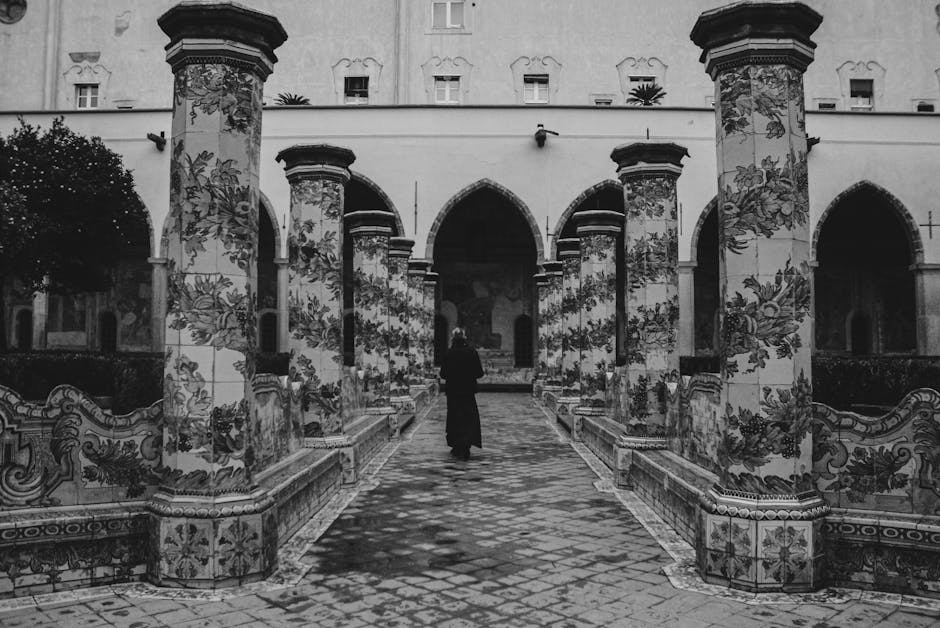
Chiesa di Santa Chiara is accompanied by a cloister and convent complex that illustrate the relationship between sacred architecture and religious life. The church presents a more restrained baroque façade, but the inner cloister reveals a composed elegance: arches, small columns and enclosed gardens create a sense of withdrawal and calm. Interior decorative elements — stucco, altarpieces and woodwork — complete the ensemble and offer insight into the spiritual and artistic practices of Lecce’s religious communities.
Practical tips: the cloister visit is especially rewarding at midday, when light filters between the arcades creating striking photographic contrasts. In summer the cloister is a pleasantly shaded spot. Check for temporary exhibitions that sometimes use these spaces for cultural events and sacred music concerts.
10. Teatro Romano and the Archaeological Area — Piazza Sant’Oronzo / Via XXV Luglio, 73100 Lecce (LE)
Address: Teatro Romano and Archaeological Area, Piazza Sant’Oronzo / Via XXV Luglio, 73100 Lecce, Lecce (LE), Italy.
Opening hours: site visible from the square at all times; guided tours and deeper access to the remains typically 9:00–19:00 (seasonal hours).
Price: basic access is free; guided tours and exhibitions €3–6.
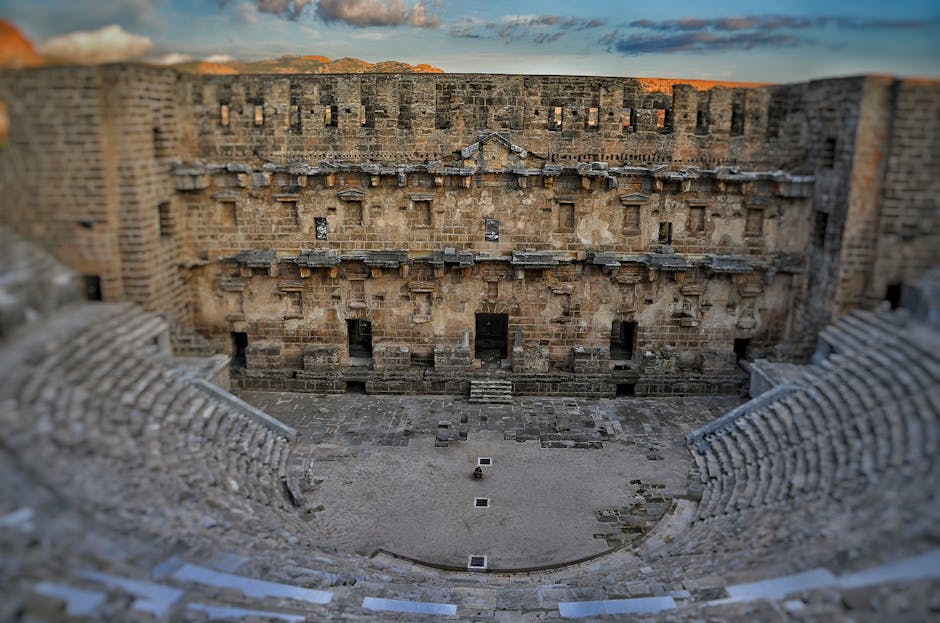
The Teatro Romano complements the Amphitheatre in telling the story of Lecce’s ancient urban core: while not as monumental as theatres in major Roman cities, these remains show an active Roman town whose traces were later woven into a baroque fabric. Excavations, information panels and archaeological interpretation on site help imagine ancient spectacles and uses; the juxtaposition of ruins and baroque churches is rich and evocative.
Practical tips: for a fuller experience, pair the Teatro Romano visit with the Provincial Museum Sigismondo Castromediano (nearby), which houses archaeological finds from the site. Exhibits and models help explain the urban transformations. Photography: favor morning light on exposed areas to capture the textures of the ancient stones.
Click here to explore nearby historic and archaeological surroundings
Conclusion — Touring Lecce’s baroque: tips for a successful visit
Through these ten monuments, Lecce reveals a stylistic richness and density of detail that make the historic center a top destination for lovers of architecture and history. Barocco Leccese isn’t just about grandeur: it also lives in intimacy — small chapels, cloisters and palace façades that reflect workshop traditions and a local culture deeply invested in ornament. Visiting the Basilica di Santa Croce, the Duomo, Piazza Sant’Oronzo, Castello di Carlo V and the other churches and palaces listed, you’ll cross not only architectural styles but centuries of history.
Planning your visit: allow at least one full day (10–12 hours) for a comfortable first exploration of the historic center; two days let you dig deeper into museums, climb the Duomo tower at different times of day and join guided tours. Use one of the many themed tours offered by local tourist offices (baroque walks, night tours, photography tours) to get expert insights and access to spaces that are occasionally closed to the public.
Transport and logistics: the historic center is compact and best explored on foot. Bring comfortable shoes for the cobbles and dress appropriately if you plan to enter churches during services. In high season (June–August), favor early mornings and late afternoons to avoid heat and crowds. Many sites offer combined tickets or reduced rates: ask at ticket offices or tourist information.
Respect and behavior: remember many churches are active places of worship; respect mass times and local rules (photo restrictions, silence in prayer areas). To support conservation, take guided paid tours, leave small donations and buy local publications or guidebooks that often fund restorations.
Finally, give yourself time to simply wander: the best discoveries often happen off the main routes, by turning a corner and finding a small façade full of stories. Lecce is perfectly suited to this kind of sensory exploration — every stone works memory, every balcony tells the hand of a sculptor. Whether your stay is short or long, the city will offer a new facet of its rich baroque on each visit.