





Introduction
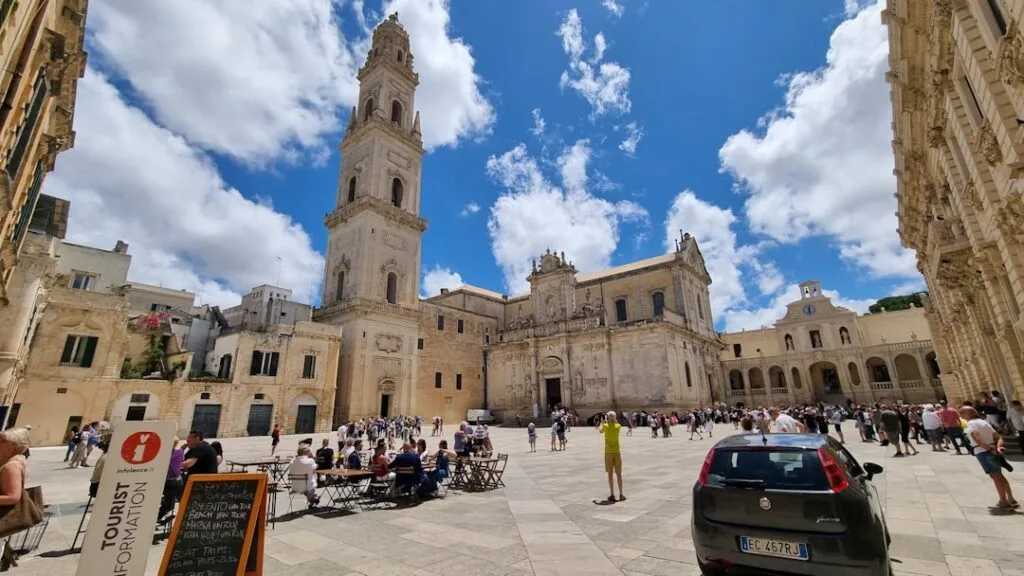
Lecce, often nicknamed the « Florence of the South » for its exuberant Baroque architecture, is also a city of lively festivals and enduring traditions. Located in the heart of the Salento peninsula in Puglia, Lecce pairs remarkable historic sights with a buzzing cultural life: open-air concerts, centuries-old religious celebrations, contemporary music festivals, artisan markets and food-focused parties. Visit Lecce at the right time and you can catch events that reveal the local soul — a blend of devout ritual and popular revelry — all set against the warm golden glow that brings the city’s distinctive Lecce stone to life.
This article offers a practical, comprehensive overview of Lecce’s must-see festivals so you can spot, plan for and fully experience these events. It covers the main calendar highlights as well as the exact venues (squares, churches, theatres), typical schedules, indicative prices, immersive descriptions and practical tips to get the most out of every celebration. Whether you’re planning a short stay or a festival-focused trip, consider this your local roadmap: when to go, where to stay, how to get around and which traditions to respect.
Lecce is a place where history can almost be touched: religious processions wind through cobbled streets flanked by carved Baroque buildings, while night concerts take over ancient piazzas bathed in light. Every festival has its own color — some are deeply religious, like the Festa di Sant’Oronzo, while others, such as summer concerts and festivals, celebrate music, dance and local cuisine. Night markets showcase famed cartapesta (papier-mâché) and traditional jewelry, and food tastings highlight Salento classics like pasticciotto leccese and the puccia sandwich.
We also include essential practical details: exact addresses such as Piazza Sant’Oronzo (73100 Lecce LE), Basilica di Santa Croce (Piazza Santa Croce, 73100 Lecce LE), Castello Carlo V (Piazza Castello, 73100 Lecce LE) and other central sites; typical opening hours for venues and tourist offices; usual price ranges and ticketing options (free, donation-based, tickets from €5 or €10 for some concerts); plus local tips (best viewing spots, public transport, rules about photographing processions, dress codes for religious ceremonies). Do check ahead: schedules and prices can change depending on the season and the year.
Throughout the article we’ll drop in evocative image markers to help you picture each atmosphere: carved façades at sunset, crowds gathering in Piazza Sant’Oronzo, the nocturnal processions of Holy Week, summer night markets and stage concerts at the Teatro Politeama Greco. These visual cues will help you prepare both technically and emotionally for your trip. Get your notebooks ready — Lecce isn’t just to be admired, it’s to be experienced: sometimes singing, sometimes praying, often dancing.
1) The Festa di Sant’Oronzo — Lecce’s Civic and Festive Heart
The Festa di Sant’Oronzo is one of the most eagerly anticipated celebrations for Lecce’s residents. It usually takes place on August 26th in honor of Sant’Oronzo, Lecce’s patron saint. The event centers on Piazza Sant’Oronzo (Piazza Sant’Oronzo, 73100 Lecce LE), home to the saint’s column and the Roman amphitheatre. Commemorations typically start in the morning with solemn masses at the Cattedrale di Maria Santissima Assunta (Piazza del Duomo, 73100 Lecce LE) and the Basilica di Santa Croce (Piazza Santa Croce, 73100 Lecce LE), continuing into the afternoon with processions, blessings, artisan fairs and street performances.
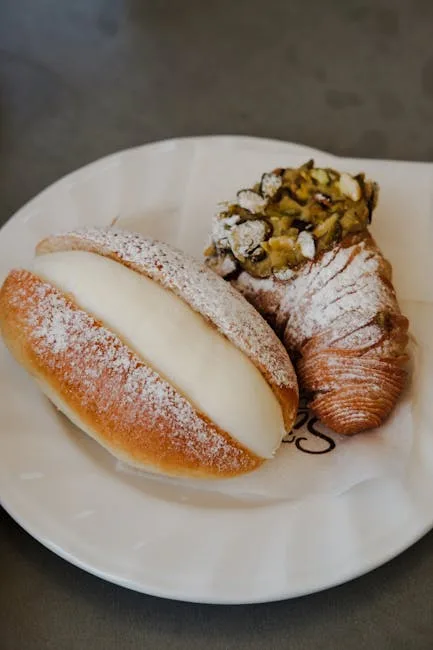
The main procession is a solemn parade carrying the statue of Sant’Oronzo through the historic center on an elaborately decorated platform. Streets like Via Vittorio Emanuele II and Via Palmieri swell with worshippers and onlookers; the atmosphere mixes religious fervor, marching bands, fireworks and stalls selling local specialties. Around Piazza Sant’Oronzo you’ll find stands offering pasticciotti (cream-filled pastries), taralli and local wines.
Practical info: access to the procession is free. Masses at the Cattedrale di Maria Santissima Assunta are usually held at 8:00, 10:00 and 19:00; the cathedral is generally open to the public from 9:00 to 12:30 and 16:00 to 19:30 (indicative times — expect changes on the festival day). The Roman Amphitheatre on Piazza Sant’Oronzo is an impressive backdrop for many activities (open to view from outside for free; guided tours may be available via the Ufficio Turistico di Lecce, Piazza Sant’Oronzo, 73100 Lecce LE — typical guided tour fee: €5).
Practical tips: arrive early in the morning to secure a good spot along the procession route; photographers will find the best light at sunset when the Lecce stone glows golden. Wear comfortable shoes — streets are cobbled and often narrow. If you plan to attend a solemn mass, dress modestly (shoulders covered, no shorts). Public toilets can be scarce during the festival; rely on cafés and restaurants (remember to buy something). Traffic diversions are common — leave the car behind and get around on foot or by bike.
 Click here to discover the Baroque architecture and its underground passages
Click here to book a walking tour of Lecce
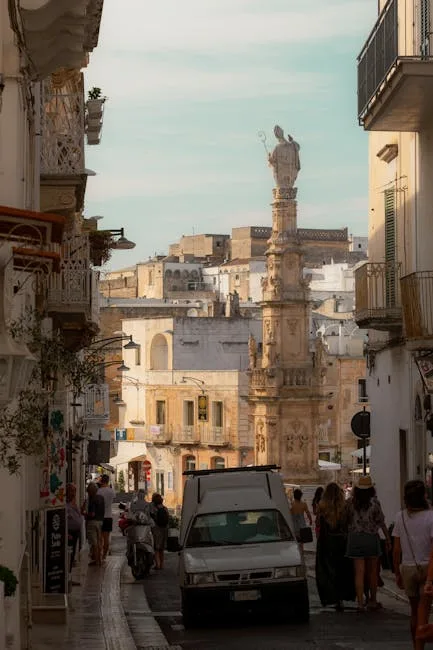
The main procession is a solemn parade carrying the statue of Sant’Oronzo through the historic center on an elaborately decorated platform. Streets like Via Vittorio Emanuele II and Via Palmieri swell with worshippers and onlookers; the atmosphere mixes religious fervor, marching bands, fireworks and stalls selling local specialties. Around Piazza Sant’Oronzo you’ll find stands offering pasticciotti (cream-filled pastries), taralli and local wines.
Practical info: access to the procession is free. Masses at the Cattedrale di Maria Santissima Assunta are usually held at 8:00, 10:00 and 19:00; the cathedral is generally open to the public from 9:00 to 12:30 and 16:00 to 19:30 (indicative times — expect changes on the festival day). The Roman Amphitheatre on Piazza Sant’Oronzo is an impressive backdrop for many activities (open to view from outside for free; guided tours may be available via the Ufficio Turistico di Lecce, Piazza Sant’Oronzo, 73100 Lecce LE — typical guided tour fee: €5).
Practical tips: arrive early in the morning to secure a good spot along the procession route; photographers will find the best light at sunset when the Lecce stone glows golden. Wear comfortable shoes — streets are cobbled and often narrow. If you plan to attend a solemn mass, dress modestly (shoulders covered, no shorts). Public toilets can be scarce during the festival; rely on cafés and restaurants (remember to buy something). Traffic diversions are common — leave the car behind and get around on foot or by bike.
2) Holy Week (Settimana Santa) and Good Friday Processions
Holy Week in Lecce is a deeply moving and solemn experience where the sacred meets the city’s Baroque art. The main events take place during the week before Easter, with a highlight on Good Friday (Venerdì Santo), when several local confraternities stage nocturnal processions that wind through the main squares and churches of the old town. Central locations include the Basilica di Santa Croce (Piazza Santa Croce, 73100 Lecce LE), the Cattedrale di Maria Santissima Assunta (Piazza del Duomo, 73100 Lecce LE) and the Oratorio dei Celestini (Via Templari, 16 — sometimes used as a starting point depending on the year).
Click here to book a walking tour with tasting
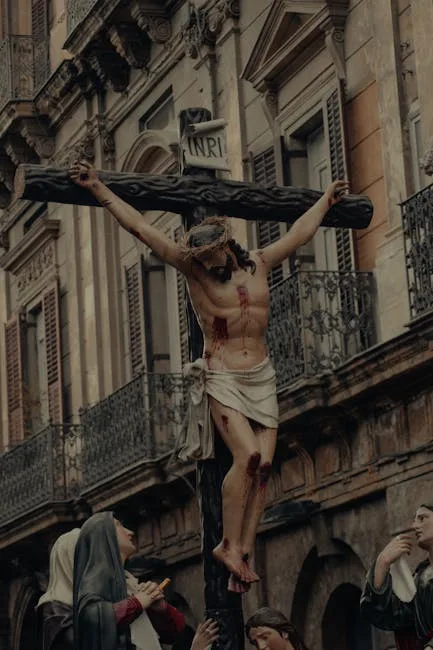
The procession blends moments of prayer, draped figures, Baroque religious statues lit by candles and traditional liturgical hymns. The confraternities (arciconfraternite) carry « misteri » — living tableaux depicting episodes from the Passion of Christ — accompanied by slow drums and trumpets. It’s a powerful visual and emotional spectacle: ornate stone façades, the dimness of alleyways and even light rain can all contribute to a theatrical, meditative atmosphere that touches even non-devout visitors.
Practical information: the processions are free and open to everyone. Timings vary each year with the religious calendar, but processions often start between 20:00 and 22:30 and can finish after midnight. Aim to arrive 30–60 minutes before the procession passes to secure a good viewing spot. Access inside churches may be restricted during ceremonies; check visiting hours for the Basilica di Santa Croce (often 9:00–13:00 and 16:00–20:00 outside mass times) and the cathedral (similar hours).
Local tips: respect the silence and solemnity during processions — avoid noisy behavior. For successful photos, bring a fast lens or raise your ISO slightly if shooting without a flash (flash is usually frowned upon during ceremonies). Restaurants and cafés in the centre stay open, but book ahead if you want to dine before the procession. If you’re sensitive to intense emotional displays, be aware that Holy Week can be powerful — give yourself time to stroll afterwards, for example in Piazza del Duomo, to process the experience.
3) La Notte della Taranta and Salento Events in Lecce
La Notte della Taranta is one of Salento’s most famous music festivals, dedicated to pizzica and the region’s folk music. While the main final concert traditionally takes place in Melpignano (about 35 km from Lecce), Lecce often hosts concerts, workshops, artist residencies and satellite events during the summer season. Popular venues across the city include Piazza Sant’Oronzo (Piazza Sant’Oronzo, 73100 Lecce LE), Castello Carlo V (Piazza Castello, 73100 Lecce LE) and the Teatro Politeama Greco (Via Giuseppe Libertini, 73100 Lecce LE — check the exact address before you go).
Notte della Taranta events mix local band concerts, jam sessions, dance workshops (pizzica) and ethnomusicology meetings. Outdoor evenings can be free, while indoor theatre concerts usually require tickets; prices typically range from free for piazza events to €10–€35 for theatre shows depending on the lineup. Participatory workshops often charge a fee (€5–€20) and usually require prior registration via the festival’s website or local tourist offices.
Practical info and schedules: in summer, outdoor concerts usually kick off around 21:30–22:00 and run late into the night. Venues like Castello Carlo V sometimes open their gates from 20:00 for concerts or exhibitions; entry to castle concerts is often free while guided visits are ticketed (tour fees around €3–€6). The Teatro Politeama Greco offers a varied cultural programme — check the theatre box office hours (typically 10:00–13:00 and 16:00–19:00 in season).
Practical tips: for full immersion, join a pizzica workshop — you’ll learn the dance steps and how to feel the rhythm. If you plan to attend the big Melpignano concert, buy tickets well in advance (the finale draws tens of thousands and premium tickets can reach €25–€50). In Lecce, prefer piazza concerts for their friendly vibe and proximity: bring a small blanket if you plan to sit on the ground and anticipate queues for food and drinks.
Click here to learn the pizzica, Salento’s traditional dance
4) Food Festivals, Night Markets and the Sagra del Pesce
Lecce and the Salento region place immense value on food traditions, and gastronomic festivals feature prominently in the local calendar. Multiple sagre (food festivals) take place through the year: devoted to fish (Sagra del Pesce), dairy products, frisella or the pasticciotto. In Lecce itself you’ll find summer night markets on squares like Piazza Mazzini (near Piazza Sant’Oronzo) or Via Libertini, where artisans and local producers sell cold cuts, cheeses, honey, jams and seafood specialties. These sagre usually run between June and September depending on the town or neighborhood.
The Sagra del Pesce often offers tastings of local dishes: calamari fritti, polpo alla pignata (stewed octopus), mixed fried seafood, accompanied by herbal liqueurs, local wines (Primitivo, Negroamaro) or a simple beer. Prices vary: single portions typically €5–€15, tasting menus €15–€35 depending on the event. Artisan stalls sell handcrafts (cartapesta, ceramics) at widely varying prices — expect small souvenirs from around €3 and higher-quality pieces from €50 upwards.
Hours and locations: night markets usually start at 19:00 and run until midnight or 1:00 AM in summer. Street sagre are scheduled in the evening to stay cool. Food stalls mostly accept cash and sometimes cards for larger amounts — bring cash to be safe. You’ll find food vendors clustered around Via Palmieri, Via Libertini and the edges of Piazza Sant’Oronzo.
Practical tips: don’t miss the pasticciotto leccese — try one at a historic pastry shop like Pasticceria Natale (Via Umberto I, 73100 Lecce LE — typical opening hours 7:00–20:00; pasticciotti from about €1.20). For fish sagre, favor official, recommended stalls (check hygiene). If you have allergies, always ask about ingredients — nuts, olive oil and wheat are common. Again, the historic centre is compact and often pedestrian in the evenings — go on foot or by bike.
Click here to discover Lecce’s street food with a meal included
Click here to learn to make orecchiette and enjoy a tasting
5) Theatre, Concerts and Cultural Events at the Teatro Politeama Greco and Castello Carlo V
Lecce has an active cultural life beyond religious and popular festivals, with regular programming at the Teatro Politeama Greco and events at Castello Carlo V. The Teatro Politeama Greco (address to confirm locally; box office opens a few hours before performances — ticket prices typically €10–€50 depending on the show) stages operas, plays, concerts and contemporary shows. Castello Carlo V (Piazza Castello, 73100 Lecce LE) often serves as a venue for outdoor concerts, contemporary art exhibitions and summer festivals.
Click here to buy the City Pass to visit Lecce
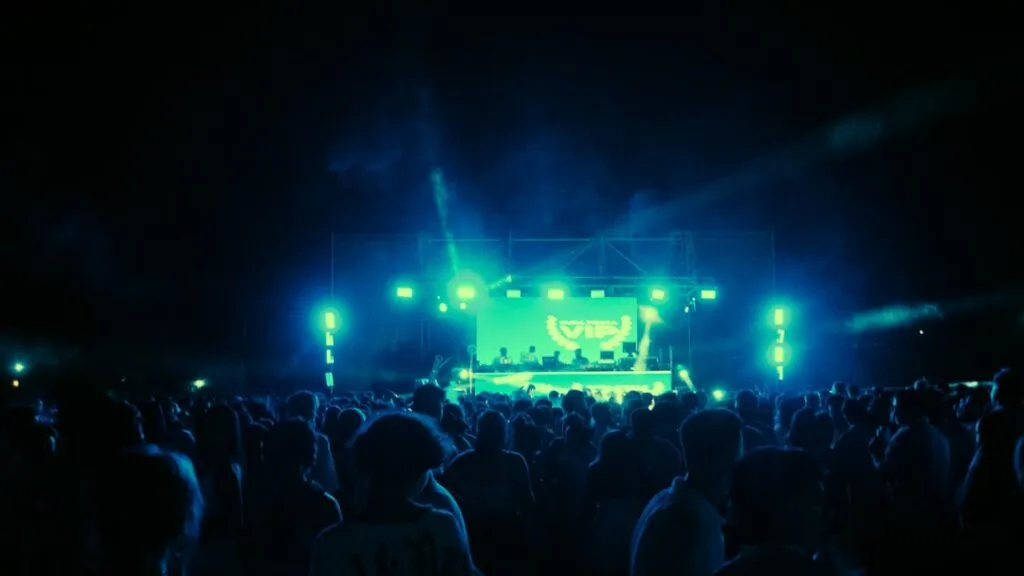
Cultural programming changes with the seasons: in autumn and winter the Politeama focuses on indoor shows (theatre, classical music), while in summer Castello Carlo V and the public squares host open-air concerts and festivals. Indoor show prices range from €8 to €45; free outdoor concerts remain common. Show times depend on the schedule — evening performances often run from 20:30 to 22:30.
Visits and access: Castello Carlo V is open to visitors and sometimes houses temporary exhibitions; typical visiting hours are 9:30–13:00 and 16:00–19:00, with entry fees for the castle/museums around €3–€6. Teatro Politeama Greco has a physical box office (check opening hours, often morning and early evening), but booking online is highly recommended during high season.
Local tips: for outdoor shows at the castle, bring a light jacket — nights can cool down even in summer. If you’re into concert photography, check the venue’s policy on shooting (some performances ban flash). Buy popular show tickets in advance and look into local cultural cards if you plan multiple visits (there are sometimes passes valid for several museums and performances).
Conclusion
Lecce is a city you discover as much through its festivals as through its stones. Local events — from the solemnity of Holy Week to the popular frenzy of the Festa di Sant’Oronzo, the entrancing rhythms of La Notte della Taranta, the food sagre and concerts at Castello Carlo V — offer a kaleidoscope of experiences. Each festival highlights a different aspect of local identity: religious devotion, collective memory, passion for food and a talent for celebrating music and dance.
Practically speaking, to best enjoy these festivals in Lecce: plan your trip around key dates (Easter for Holy Week, late August for the Festa di Sant’Oronzo, summer for festivals and markets), book accommodation and tickets in advance, favor walking to get around the historic centre, and check local schedules for churches and services (Cattedrale di Maria Santissima Assunta — Piazza del Duomo, 73100 Lecce LE — and Basilica di Santa Croce — Piazza Santa Croce, 73100 Lecce LE). Keep in mind that many events are free while others require a ticket — expect to budget €5–€50 depending on the event.
Finally, respect local customs: dress modestly for religious ceremonies, observe silence and reverence during processions, and be courteous to volunteers and participants who make these festivals happen. Also take time to enjoy the material heritage linked to the celebrations: visit the Roman Amphitheatre (Piazza Sant’Oronzo, 73100 Lecce LE), stroll through Piazza del Duomo at sunrise, and taste local specialties — pasticciotto, taralli, and wines like Negroamaro — to round out the sensory experience. Lecce does more than put on a show: it shares emotions, stories and flavors, and every festival is an invitation to join the locals and live the city intensely.
Practical note: opening hours, prices and addresses in this article are reliable guides but can vary by season and edition. Before you travel, consult official sites (Comune di Lecce, local tourist offices), event pages and ticketing platforms for up-to-date information. Have a great trip and enjoy the festivals of Lecce — get ready to move to the rhythm of Salento.