





Introduction: Lecce, Baroque Soul and Devotion — a City That Lives Its Religious Festivals
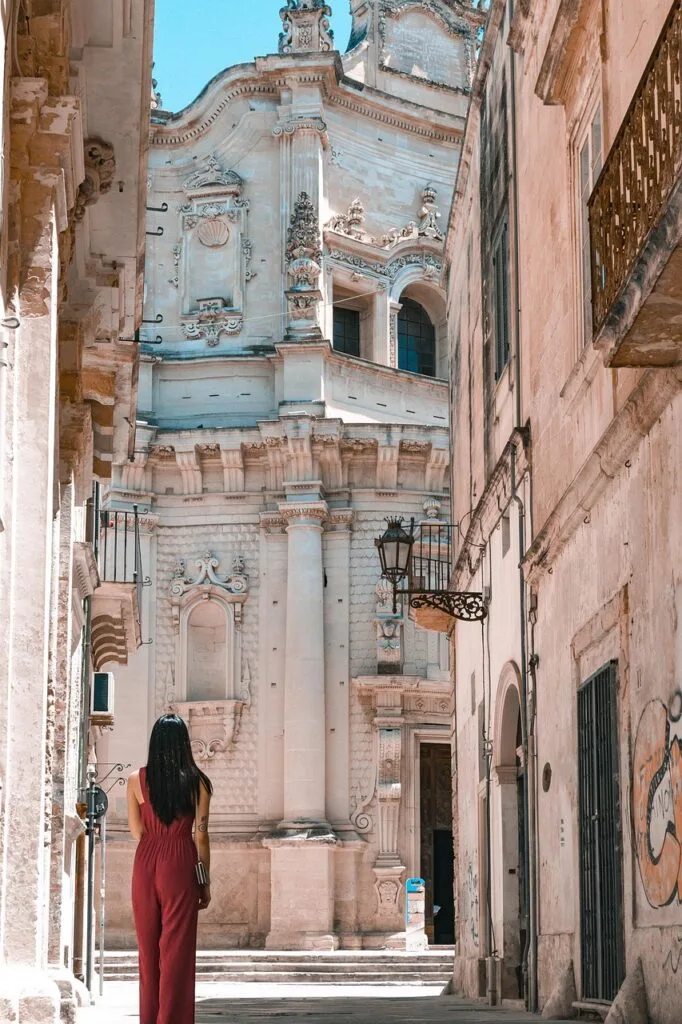
Lecce, often nicknamed the « Florence of the South » for its exuberant baroque and warm golden stone, isn’t just a daytime architectural wonder to admire: it’s above all a city of rites, processions and popular devotion that give its narrow streets a deep, timeworn rhythm. Lecce’s religious festivals are not mere tourist spectacles; they’re living rituals where every statue, hymn and candle carried by the crowd tells a story of faith, identity and collective memory. Strolling through squares like Piazza del Duomo or Piazza Sant’Oronzo, visitors are drawn into an atmosphere where sacred art and everyday life of the Lecce locals blend together.
This article takes you into the heart of Lecce’s most important festivals and processions: the major events such as the Festa di Sant’Oronzo, the Processione dei Misteri on Good Friday, and other, lesser-known but equally moving rites — from celebrations around Santa Irene to small neighborhood processions. We’ll describe not only the events — usual schedules, routes, ritual practices — but also the emblematic places that host them, with exact addresses, practical tips on attending the ceremonies (where to stand, which time to choose, how to dress), ticketing information when museums or paid access are involved, and local tricks to experience these moments like a resident rather than a mere onlooker.
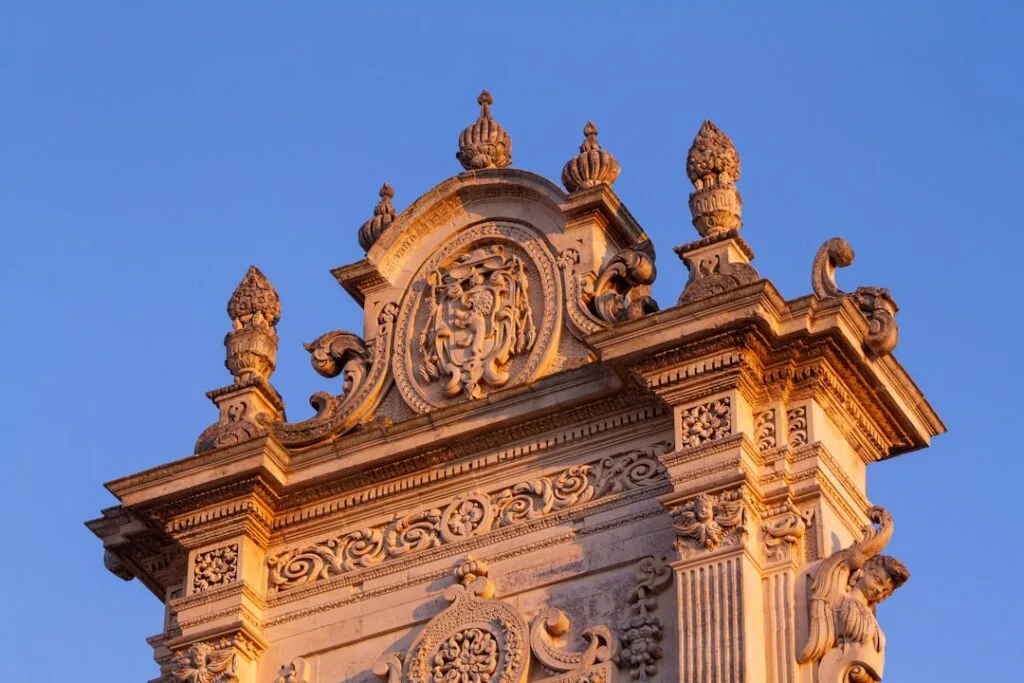
For each festival you’ll find concrete details: full names of churches and monuments involved, postal addresses, typical times for services and for museums opening during celebrations, and even tips on food and transport. We’ll add visual landmarks as image cues (handy for planning photos) to better imagine the scenes — the Column of Sant’Oronzo under fireworks, the baroque façade of the Basilica di Santa Croce bathed in evening light, the heaving shoulders of the bearers beneath the statues during a nighttime procession.
Finally, we’ll place these festivals in a wider context: how they fit into the Italian liturgical calendar, their link to Salento’s popular culture, and how tourists can respect local customs (for example how to behave during a procession, photo restrictions inside churches, or culinary habits that often accompany these moments like sharing taralli after Mass). Whether you’re planning a religious, cultural or photo trip to Lecce, this guide will give you the orientation you need to plan your stay, respect local fervor and take home real memories — not just of carved stone, but of human emotion and living traditions.
 Click here to explore Lecce’s baroque architecture and undergrounds
The Festa di Sant’Oronzo: Civic Devotion and Popular Tradition (August 26–27)
The Festa di Sant’Oronzo is Lecce’s most famous patronal celebration. It takes place every year on August 26 and 27 in honor of Sant’Oronzo, the city’s protector. The heart of the festivities is around the Colonna di Sant’Oronzo and Piazza Sant’Oronzo (Piazza Sant’Oronzo, 73100 Lecce LE, Italy), but the route stretches to the Cattedrale di Maria Santissima Assunta (Piazza del Duomo, 73100 Lecce LE, Italy) and the Basilica di Santa Croce (Piazza del Duomo, 73100 Lecce LE, Italy). The column and statue of Sant’Oronzo are literally the focal point: the faithful gather early in the morning for a solemn Mass before the procession begins its slow march through the historic center.
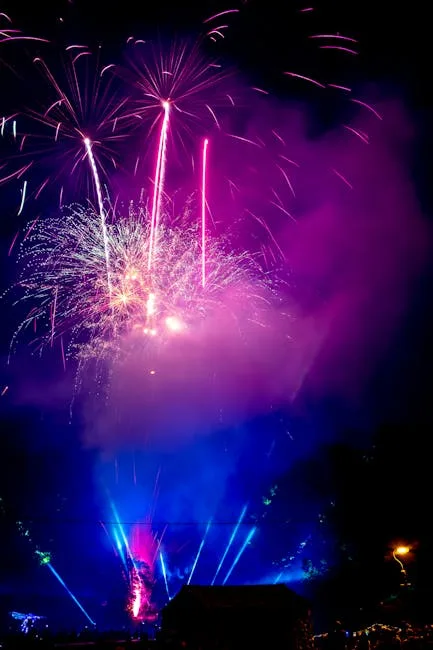
The event mixes liturgical rites, concerts, fairs and popular attractions. The official program includes services at the Cattedrale di Maria Santissima Assunta (solemn Mass at 6:30 pm on the afternoon of August 26, times vary by diocese), followed by a procession where the saint’s statue is carried by local confraternities on an elaborately decorated platform. At midnight, fireworks are often launched from near Porta Napoli and Piazza Sant’Oronzo, creating a spectacular scene against illuminated baroque façades.
Practical tips: arrive at least 1–2 hours before the procession starts if you want a spot near the Column of Sant’Oronzo (Piazza Sant’Oronzo). The narrow streets fill quickly — wear comfortable shoes and remember it can be very hot at the end of August; bring water. Church access is generally free, but some institutions like the Museo Diocesano di Lecce (Museo Diocesano, Piazza del Duomo 27, 73100 Lecce LE) may organize special hours and request an entrance ticket (~€3–€5). If you plan to attend the solemn Mass at the Cathedral, respect the dress code: shoulders covered and modest attire.
Transport and parking: the historic center is largely pedestrianized; plan to leave your car in an outer parking lot like Parcheggio Porta Rudiae (Via Santa Sofia, 73100 Lecce LE) or Parcheggio Mazzini (Viale Michele de Pietro), then walk in. Local buses (STP Lecce) serve the area but routes are often modified during festivities — check with the local transport company for temporary schedules.
Click here to discover Lecce’s baroque secrets on a guided tour
The Processione dei Misteri during Holy Week: Intensity and Sacred Theatre
The Processione dei Misteri (or « Processione dei Sette Misteri » in some local practices) is one of Lecce’s most moving religious events. It takes place during Holy Week, reaching its peak on Good Friday. Unlike summer festivities, this procession is marked by great sobriety, strict rites and intense emotion: statues, confraternities, dirges and heavy silences accompany the route. The itinerary often crosses key sites of local devotion: the Chiesa di Sant’Irene (Piazza Sant’Oronzo / nearby), the Basilica di Santa Croce (Piazza del Duomo, 73100 Lecce LE) and small neighborhood chapels. The start point can be the Chiesa di Santa Maria del Buon Consiglio or the Chiesa di San Matteo depending on the parish calendar that year.
Organization and participants: the religious confraternities — often dressed in traditional robes, sometimes hooded — carry wooden or silver simulacra representing episodes from the Passion of Christ. These statues, heavily loaded, are supported by dozens of bearers. Prayers follow one another, sometimes punctuated by drums or trumpets according to local tradition. Processions are usually led by ecclesiastical officers; the faithful line the streets with absolute respect for the moment of contemplation. Certain points along the route become « stations » where readings from the Passion or liturgical responses are performed.
Practical tips for visitors: the atmosphere is solemn — exercise discretion when photographing near statues or officiants; avoid flash indoors. To secure a good spot, settle along the route 60 to 90 minutes before the expected passage. Dress soberly (shorts and tank tops are frowned upon), and bring a small headlamp if you plan to walk with the procession late in the evening. Good Friday schedules vary year to year: ceremonies often start in the afternoon and continue into the evening (check official announcements from the Diocesi di Lecce for exact times).
Click here to join a guided tour of Lecce and its undergrounds
Neighborhood Festivals and Secondary Patron Processions: Santa Irene, San Giovanni Battista and Lesser-Known Rituals
Outside the major events, Lecce lives to the rhythm of small parish festivals throughout the year: the feast of Santa Irene (observed by some parishes in the Salento area), the celebration of San Giovanni Battista, and processions dedicated to the Madonna del Carmine or Sant’Anna. These neighborhood festivals are often more intimate and offer an authentic immersion into everyday life in Lecce. They usually take place in specific venues: Chiesa di Santa Irene (located within the historic fabric near Piazza Sant’Oronzo), Chiesa di San Giovanni Battista (Via San Giovanni, northern sector of the historic center), and the Chiesa del Carmine (Via del Carmine or Piazzetta Carmine depending on local placement).
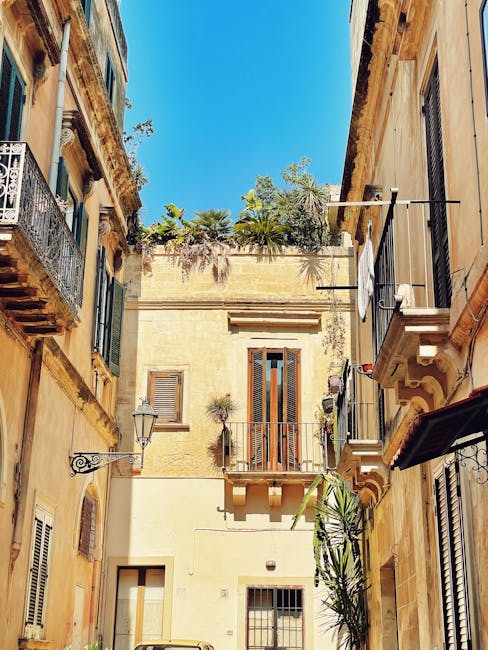
These small processions often consist of a local Mass followed by carrying an icon or statue around the immediate neighborhood. Families decorate balconies with flowers and flags; food stalls offering local specialties such as puccia, taralli and pasticciotti pop up for the occasion. The confraternities in these quarters have histories that span centuries and preserve precious costumes and relics. The intimacy of these celebrations allows direct exchanges with residents: you may even be invited to share an espresso or a glass of local wine after Mass.
Practical tips: spot the small festivals via parish bulletin boards (bacheche) or at the tourist information office (Ufficio Informazioni e Accoglienza Turistica, Piazza Sant’Oronzo 5, 73100 Lecce LE). Neighborhood Mass times are usually in the evening (7:00–9:00 pm) or in the morning (9:30–11:00 am). Church entry is free; respect liturgical pauses if you want to film or photograph — ask permission when needed. Also, bring cash if you want to taste local products sold during these festivals: many stalls accept cash only and prices are modest (a pasticciotto ~€1.50–€3.00, a glass of local wine ~€2–€4).
Must-see Monuments and Churches During the Festivals — Addresses, Hours and Prices
Attending a religious festival in Lecce is often the perfect opportunity to visit the churches and museums that house statues, relics and liturgical ornaments. Here’s a selection of places to know, with addresses, usual opening hours and indicative prices. Note: schedules can change during festivals — always check official info before you go.
- Cattedrale di Maria Santissima Assunta — Piazza del Duomo, 19, 73100 Lecce LE, Italy. Typical hours: 08:00–12:00 and 17:00–19:30 (vary with celebrations). Cathedral entry: free for Mass; visits to the crypt and museum sections may require a donation or ticket (~free to €3 depending on the exhibition).
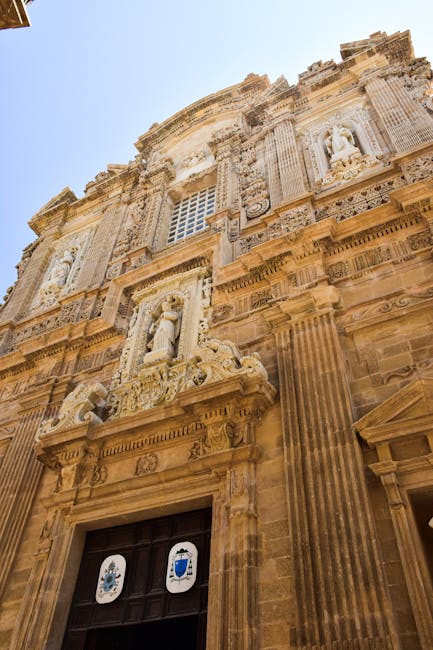
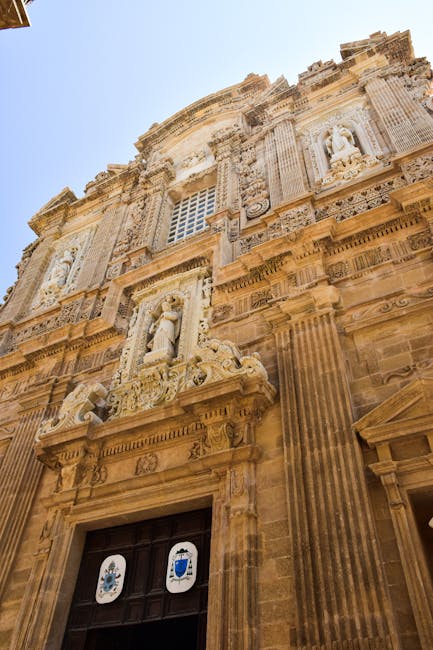
- Basilica di Santa Croce — Piazza del Duomo, 23, 73100 Lecce LE, Italy. Typical hours: 09:00–13:00 and 16:00–19:00. Entry: free for basic visits; paid guided tours organized by the Polo Museale (~€3–€5). The baroque façade is a prime example of « barocco leccese ».
- Colonna di Sant’Oronzo — Piazza Sant’Oronzo, 73100 Lecce LE, Italy. The focal point of the summer festivities. Permanently accessible; public square is free. Festa ceremonies are organized around this column.
- Museo Diocesano di Lecce — Piazza del Duomo 27, 73100 Lecce LE, Italy. Typical hours: 09:30–12:30 and 16:00–19:00. Indicative price: €3–€5. The museum preserves vestments, processional statues and liturgical treasures often displayed during festivals.
- Chiesa di Santa Irene — (located in the historic center, close to Piazza Sant’Oronzo). Hours: vary by parish; typical Sunday Mass at 11:00. Free entry.
Practical visiting tips: if you want to see the statues before they are prepared for the procession, come on the morning of the festival — many installations and decorations are visible during preparations. If a museum exhibits costumes or simulacra, buying a ticket is often worthwhile (~€3–€5) to understand the historical and artistic context. Don’t forget midday closures in low season, and note that some churches close for services and are accessible only to worshippers during those times.
Click here to book the archaeological and baroque tour with audio guide
Local Practical Tips: Getting Around, Behavior, Photography and Where to Eat
To make the most of Lecce’s religious festivals, a few local tips will spare you troubles and help you experience the events respectfully and fully.
- Transport: Lecce’s historic center is mainly pedestrian. Favor walking or cycling to get around. If you come by car, park in an outer lot (Parcheggio Porta Rudiae — Via Santa Sofia, 73100 Lecce LE; Parcheggio Mazzini — Viale Michele de Pietro, 73100 Lecce LE) and walk into town. During major festivals many streets are closed and local bus routes (STP Lecce) are diverted.
- Code of conduct: show respect during services and processions — speak softly, avoid interrupting prayers and dress modestly (shoulders covered, no very short shorts). If you are invited to take part in a local procession, ask the organizers first about roles and instructions.
- Photography: outdoors you can photograph processions freely, but stay discreet. Inside churches, photography is often forbidden during services or the use of flash near fragile artworks is not allowed. For nice shots without disturbing anyone, choose moments when statues are being prepared or evening lighting. Respect « No Photo » signs and request permission from confraternities if you want to film up close.
- Food: for a meal before or after a procession, try local spots near the places of worship: Ristorante Sale e Pepe (Via Cesare Battisti 28, 73100 Lecce LE) for refined Salento cooking; Pasticceria Natale (Via Libertini 34, 73100 Lecce LE) for pasticciotti and traditional sweets. Indicative prices: a simple lunch €8–€15, dinner €18–€35 per person. During festivals, stalls offer takeaway specialties (taralli €1.50–€3.00, fried calzoni €3–€6).
Click here to rent bikes to get around Lecce easily
Avoiding Pitfalls — Tips for Photographers and Sensitive Travelers
Lecce’s festivals offer exceptional photo opportunities, but there are unwritten rules. For photographers: favor fast lenses (50mm f/1.8, 35mm) to capture candlelight indoors and night scenes. Bring a tripod if you plan long exposures, but know it may be frowned upon in a tight crowd — instead use high ISO settings and steady yourself against a wall. Respect moments of contemplation; avoid flash during services to preserve the sacred atmosphere.
For travelers sensitive to crowds or loud noise: plan your visits for the morning on high-attendance days (many preparations happen early). If you get anxious, identify beforehand a few « retreat zones »: cafés and small secondary squares like Piazzetta Oronzo Tiso offer some breathing room. Also consider clothing: even in summer the late evening can be cooler — bring a light scarf if you intend to stay out late. Lastly, keep digital copies of your documents and carry cash for small purchases at stalls and temporary shops.
Click here to book a photographic tour of Lecce
Conclusion: Between Respect and Wonder — Experiencing Lecce’s Religious Festivals
Attending Lecce’s religious festivals is much more than watching a show: it’s entering a living tradition where baroque stone, prayer and city life meet. Whether you witness the grand Festa di Sant’Oronzo in August, the moving Processione dei Misteri during Holy Week, or a humbler neighborhood feast for Santa Irene or San Giovanni Battista, each event reveals a unique facet of Lecce’s soul. The statues and relics, often kept in the Cattedrale di Maria Santissima Assunta (Piazza del Duomo, 19, 73100 Lecce LE) or the Museo Diocesano (Piazza del Duomo 27), come alive during processions and are narrated through the voices of confraternities and residents.
Taking part in these festivals requires balance: curiosity and respect. Respect the rites (silence during services, appropriate behavior in churches), curiosity to understand the historical and artistic meaning of the objects on display, and logistical caution (schedules, parking, meeting points in case of large crowds). The practical tips in this article — useful addresses, indicative prices (museums €3–€5; sweets €1.50–€3.00), usual schedules and photography suggestions — will help you prepare a successful trip.
Above all, remember that the heart of these festivals lies in quiet participation and listening: hearing a dirge in a narrow alley, watching a procession make its way beneath decorated balconies, sharing a pasticciotto with locals — these are the moments, more than perfectly framed photos, that will make your stay in Lecce a real immersion. Always check official programs before you travel (Diocesi di Lecce, Ufficio Turistico di Lecce) for up-to-date schedules and occasional closures, and above all, let yourself be carried by the city’s pace: in Lecce, sacred history is still lived around the corner, beneath the golden stone and in the kindness of its people.