





Introduction — Why a one-day religious Baroque itinerary in Lecce?
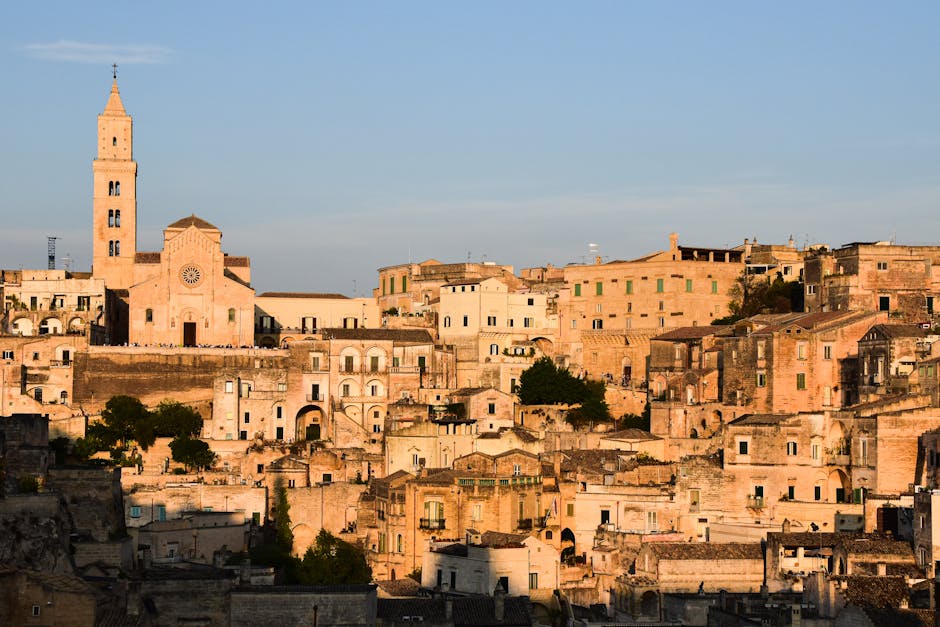
Lecce, often nicknamed the « Florence of the South », is a Baroque jewel tucked into the heel of Italy’s boot. The city experienced an artistic and architectural explosion in the 17th and 18th centuries, when its master stonemasons left façades of spectacular ornamental richness, blending religious elements, Christian symbolism and local flair. A one-day religious Baroque itinerary in Lecce is the best way to understand how faith, art and daily life intertwined here: every church, chapel and cloister tells a spiritual and material story.
This route is designed for the curious traveler: professional, attentive to detail, and looking for practical markers (exact addresses, opening hours, prices) to plan a day without surprises. You will discover major basilicas and cathedrals, diocesan museums preserving treasures and relics, hidden churches where prayer still lingers, and archaeological sites that show the continuity of the sacred on Lecce’s soil. Between guided visits and coffee breaks, the itinerary includes practical tips (when to book, how much to budget, how to behave in places of worship) and local tricks to enjoy the exceptional late-afternoon light that enhances stucco and the local stone, the famous « tufo leccese. »
This guide includes concrete details: full names of buildings, precise addresses, price ranges in euros, usual opening hours and suggested time to spend at each stop. It also offers immersive descriptions — imagine the distant singing of a choir, the smell of wax and incense, the gilding reflecting the light — and advice on blending into the city’s rhythm (best time for photos, top nearby cafés, how to avoid peak crowds). The goal is to turn a day into a full experience, where religious feeling and Baroque splendor combine to leave a lasting memory.
Finally, this route is meant to be doable on foot (or with short taxi rides), balanced between intensive visits and moments of contemplation, so you leave with the sense of having entered Lecce’s Baroque soul. Whether you’re an art pilgrim, a lover of religious history or a photographer hunting carved detail, you’ll find a clear, complete roadmap for a memorable day.
 Click here to discover Lecce’s Baroque secrets
1. One-day religious Baroque itinerary in Lecce (hourly schedule and practical details)
Estimated total duration: 8–9 hours (including breaks). The route starts in the morning in the heart of the historic center and ends in the late afternoon after visiting the main Baroque sites and some « off the beaten path » treasures. The times include walking between sites (the historic center is very compact). Wear comfortable shoes, dress respectfully for entering churches (shoulders and knees covered) and bring cash for tickets and possible offerings.
08:30 — Start at Cattedrale di Maria Santissima Assunta (Duomo di Lecce)
Address: Piazza del Duomo, 1, 73100 Lecce LE, Italy.
Opening hours: generally 08:30–12:30 and 16:00–19:30 (may vary with services).
Price: entry to the cathedral is free; visit to the Museo Diocesano di Lecce (if you want to go deeper): Piazza del Duomo, 1 — indicative price €6, reduced €4 for students/65+. Museum hours: 10:00–13:00 / 16:00–19:00 (closed Monday morning, check locally).
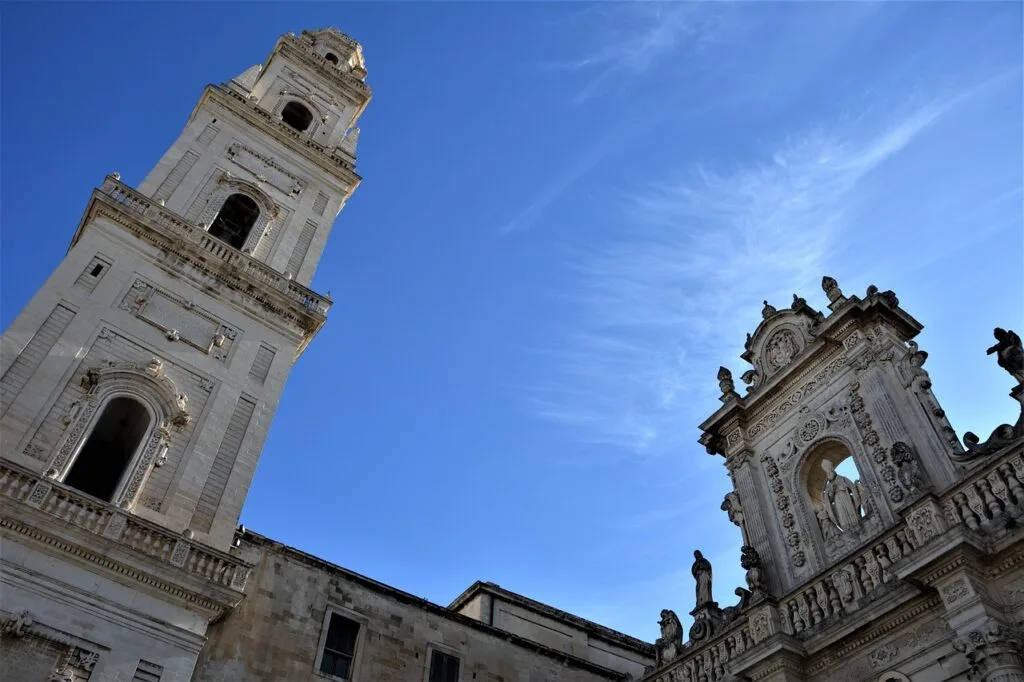
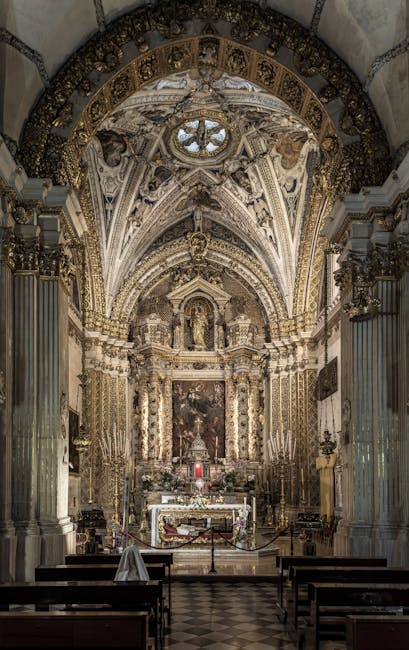
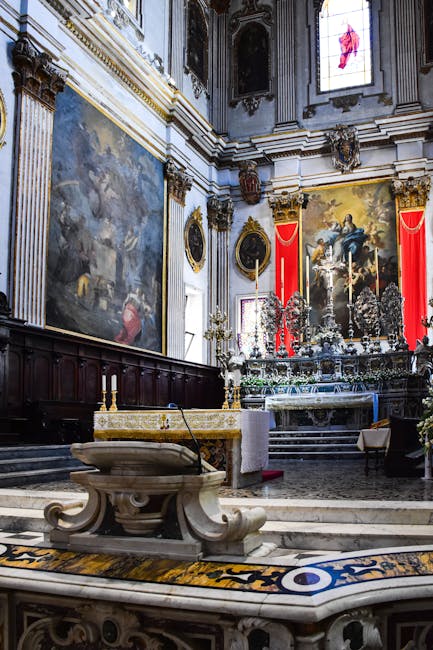
Immersive description: The cathedral dominates the piazza in a harmonious ensemble with the bishop’s palace and the bell tower. Inside, paintings, gilded stucco and the polished floor immerse you in a Mediterranean spirituality; don’t miss the Chapel of the Most Holy Sacrament and the Baroque ornamentation of the choir. Photography is recommended in the morning for soft interior light.
10:00 — A few steps away: Basilica di Santa Croce
Address: Piazza Basilica di Santa Croce, 73100 Lecce LE, Italy. (main entrance on Piazza Santa Croce)
Opening hours: 09:00–13:00 / 15:30–19:30 (hours vary by season).
Price: church entry free; guided tours of the façade and cloister sometimes offered by local associations: ~€5–€8.
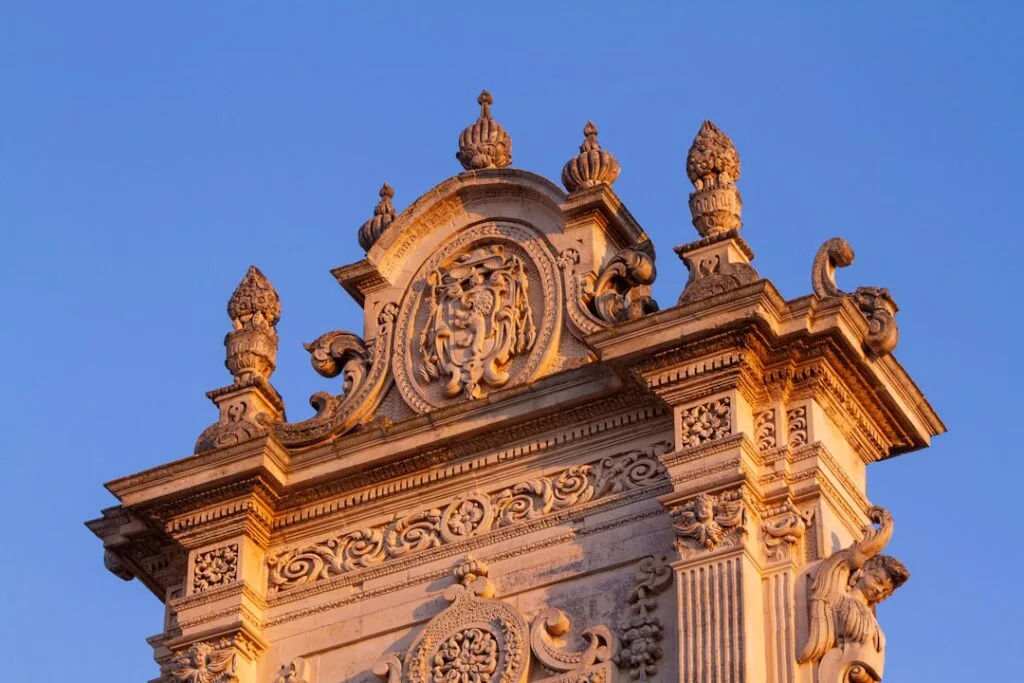
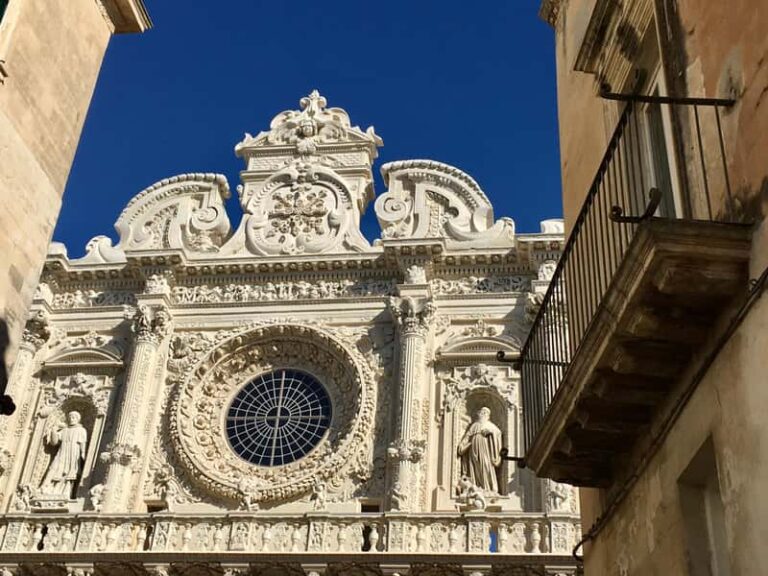
Immersive description: The façade of Santa Croce is a manifesto of Lecce Baroque: a dense tapestry of twisted columns, fantastic animals, angels, saints and mascarons. Inside, the use of local stucco, finely decorated chapels and the family funerary chapel give the impression of a Bible sculpted in stone. Take time to study the grotto-like details and the repeated Marian symbols on the archivolts.
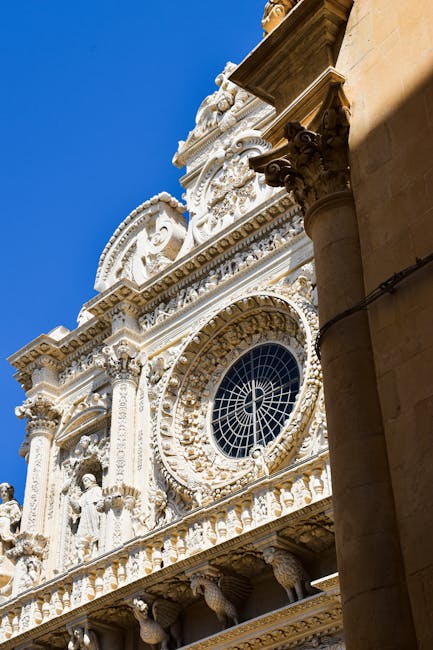
11:30 — Coffee break and traditional snack
Suggestion: Café near Piazza Sant’Oronzo. Cost: espresso ~€1–€1.50, cornetto ~€1.50–€2.50. Use this break to try a local pastry like the pasticciotto leccese.
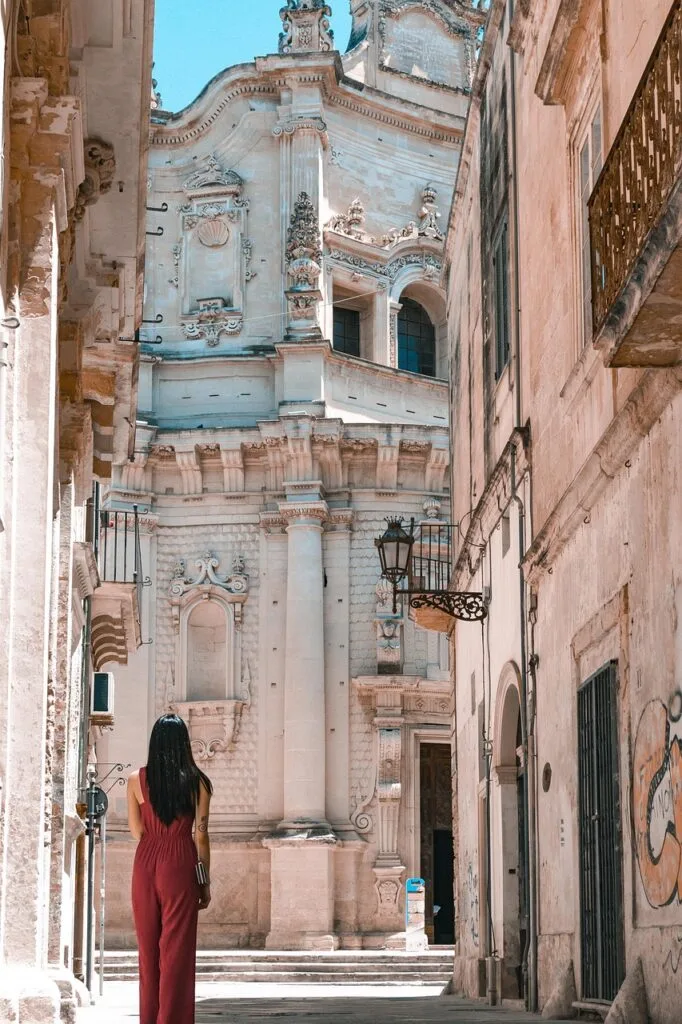
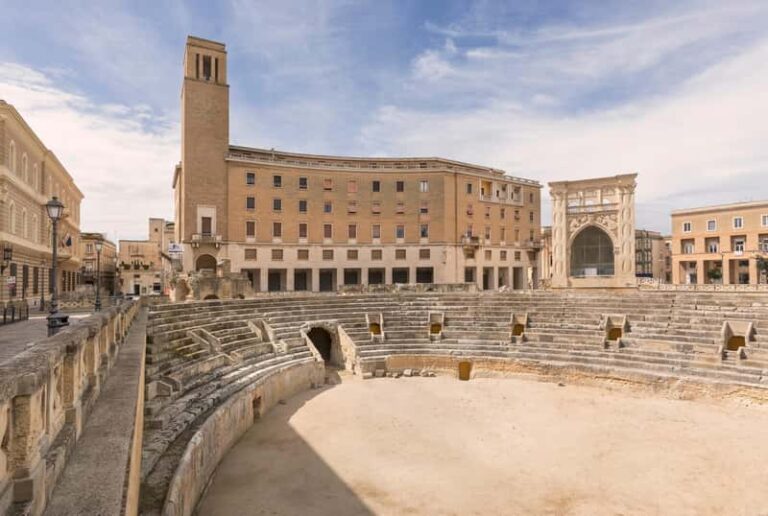
12:00 — Anfiteatro Romano e Piazza Sant’Oronzo
Address: Piazza Sant’Oronzo, 73100 Lecce LE, Italy.
Opening hours: public space accessible continuously (excavations or temporary exhibitions may have specific hours).
Price: generally free for the visible area; temporary exhibitions/guided tours variable (€3–€6).
Immersive description: Lecce’s urban heart blends antiquity and Baroque. The partially visible Roman amphitheatre in the square recalls the site’s antiquity. The church of Sant’Oronzo (minor basilica) and the column of Sant’Oronzo stand in the square, offering a striking contrast between ancient stones and surrounding Baroque façades.
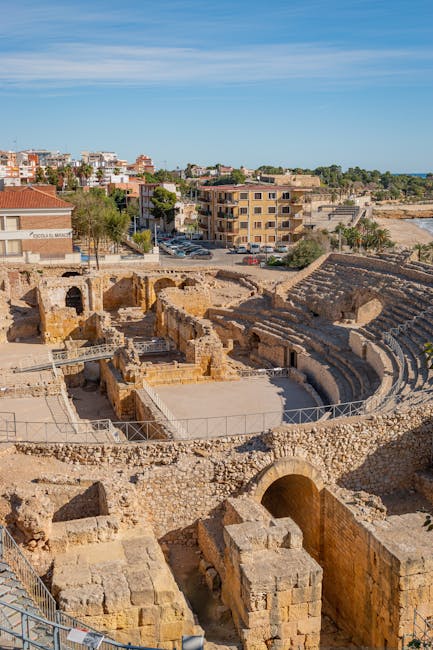
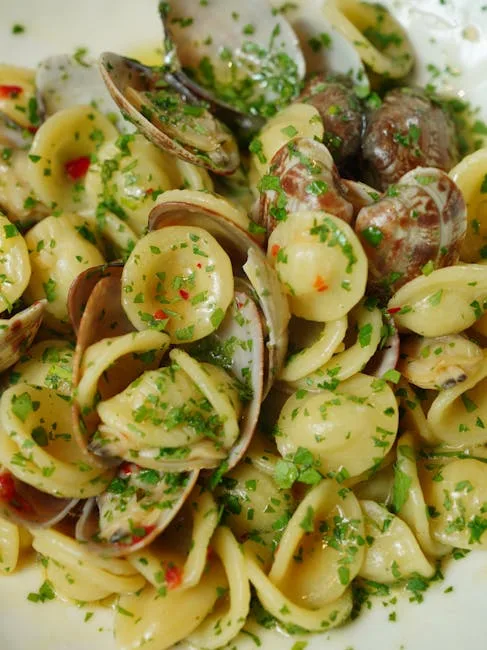
13:00 — Recommended lunch (local eateries): a trattoria or osteria near the historic centre. Budget: €15–€30 per person for a full meal (antipasto, main course, wine). Tip: try orecchiette or seafood dishes, paired with a local white.
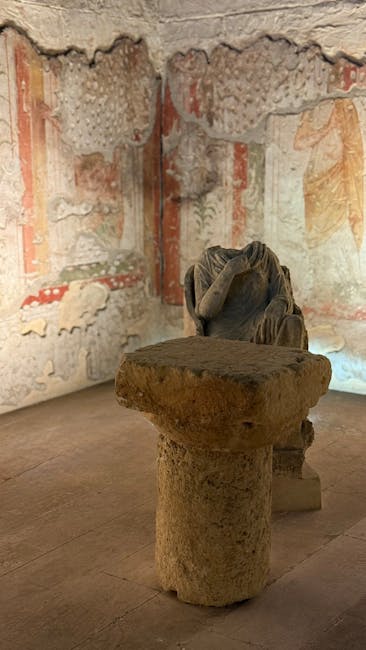
15:00 — Museo Faggiano (Museo Archeologico Faggiano)
Address: Via Ascanio Grandi, 38, 73100 Lecce LE, Italy.
Opening hours: 10:00–13:00 / 15:00–19:00 (times may depend on reservations).
Price: individual entry ~€6–€8 (rates vary by season).
Immersive description: Museo Faggiano is a house-museum that uncovers layer after layer of history — from Roman times to the Baroque. It’s an intimate, fascinating visit to see how archaeological strata sit beneath Lecce’s religious and civic life.
16:30 — Lesser-known churches rich in carved details (contemplative stroll)
Recommended examples: Chiesa di Santa Chiara (Piazza Santa Chiara, 73100 Lecce LE) — usually open 09:00–19:00, free entry; Chiesa di Sant’Irene (Piazza del Duomo, 73100 Lecce LE) — often open during services.
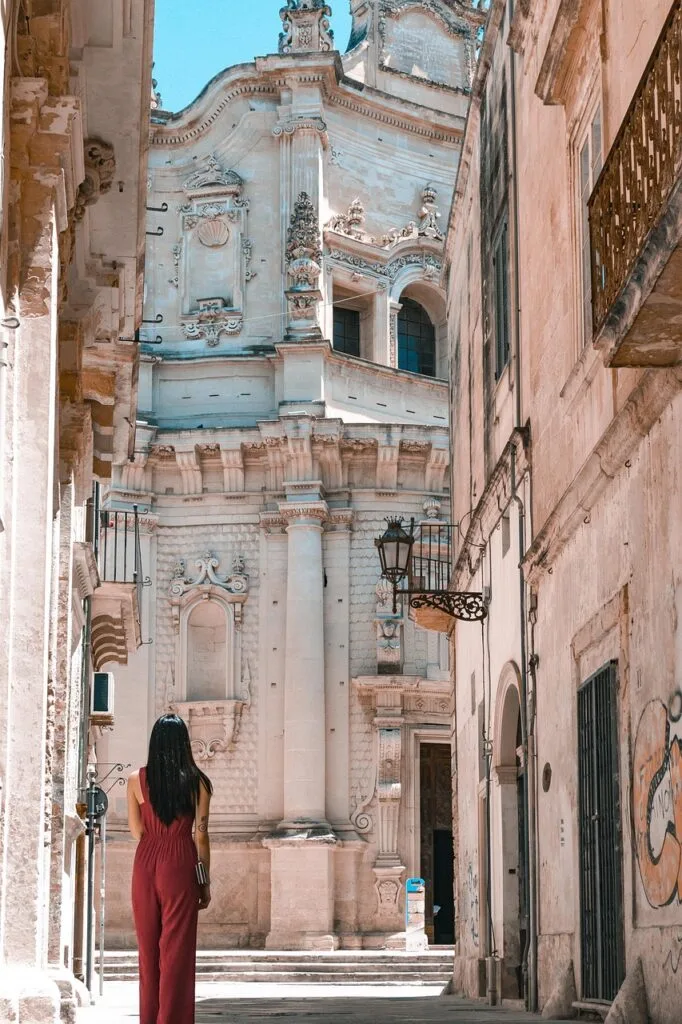
Immersive description: These small churches feature lesser-known Baroque chapels, delicate stuccoes and painted altars. They’re perfect for a quiet spiritual break away from the crowds. Respect service times and keep a silent demeanour.
18:00 — End of day: photo moment and reflection
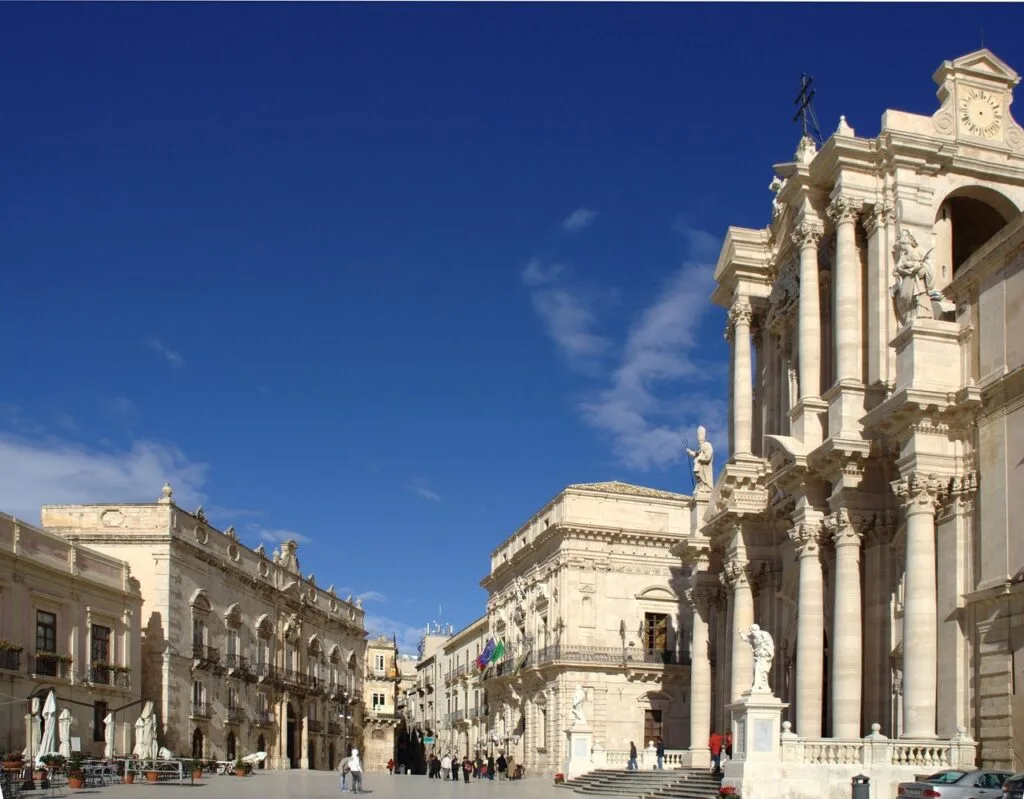
Return to the Piazza del Duomo to admire the golden evening light on Lecce stone. Enjoy a final aperitivo in the nearby lanes. Aperitivo cost: €6–€12 depending on drink and snacks.
Practical logistics tips:
- Reservations: for Museo Faggiano and possibly the Basilica di Santa Croce guided tour, it’s best to book online or call the same morning (phone numbers on official museum sites).
- Transport: the historic centre is fully walkable. Taxis available at the station and main squares. Limited parking — favour peripheral car parks.
- Dress code: respect places of worship: shoulders and knees covered, no loud behaviour, do not touch artworks.
- Fees: churches are often free but accept donations; small museums typically charge €4–€8.
- Photography: allowed in most churches without flash; in some museums photos are banned — check signs or ask first.
Click here to book a baroque and underground tour
Which Baroque experiences should you prioritise for a religious day in Lecce?
Expect to pay between €24 and €100 depending on the option, and allow 1 hour to half a day for each choice.
1. In-depth Baroque tour (3 h)
A small-group guided walk mixing local stories, craft workshops (papier-mâché) and an olive oil tasting; ideal for anyone wanting to understand the symbols behind the sculptures and stuccoes.
- ⏱️ Duration: 3 hours
- 🚶 Format: Guided tour — max 10 people
- 💡 Highlight: Craft workshop + EVO oil tasting
- 🗣️ Languages: Italian, English
2. Private Duomo & Santa Croce tour
Two hours one‑to‑one with a specialist guide: entrance tickets included, direct access to the two highlights of local Baroque and a stop at the amphitheatre to place sacred art in its urban context.
- ⏱️ Duration: 2 hours
- 🎟️ Included: Entrance tickets for Santa Croce and the Duomo
- 👥 Format: Private tour
- 🗣️ Languages: Italian, French, English
3. Budget option: Cathedral + Santa Croce (1 h)
Short, focused route to see the essentials: includes access to the cathedral and Santa Croce with a guide — a good compromise if your schedule is tight but you want a solid introduction to Lecce Baroque.
- ⏱️ Duration: 1 hour
- 🎟️ Access: Free entry/access included depending on option
- 🚶 Format: Group guided tour
- 🗣️ Languages: Italian
Conclusion — Reflections and recommendations to extend your visit
A day devoted to religious Baroque in Lecce lets you feel the creative energy that shaped this southern city. In a single day you’ll trace history from the ancient foundations visible at the Anfiteatro Romano to the Baroque pinnacle embodied by the Basilica di Santa Croce and the Duomo. Beyond architectural landmarks and practical schedules, what matters are the sensations: how the local stone catches the light, the profusion of vegetal and bestiary motifs on the façades, and the serenity of the side chapels where you might still hear a choir rehearsing.
If you have more time, several extensions are recommended: attend a mass or a sacred music concert to experience Baroque acoustics, visit smaller sacred art museums, or explore nearby villages where Baroque traditions take on distinct regional forms. For photographers, the golden hour — late afternoon into dusk — offers the best chances to capture the sculptural richness of Lecce stone.
Finally, keep in mind that the schedules and small fees listed here are subject to seasonal changes and temporary adjustments (services, events, restorations). Before you go, check official websites or call parish offices to confirm times and prices, and consider booking popular guided tours (Museo Faggiano, themed visits of the Basilica) if you travel in high season. By following these tips and leaving time to linger, you’ll leave not only with images but with a deeper understanding of how faith inspired art in Lecce.
Click here to explore the Itria Valley and its villages