





Introduction — The little-known private chapels and oratories of Lecce: an intimate journey into the heart of Baroque
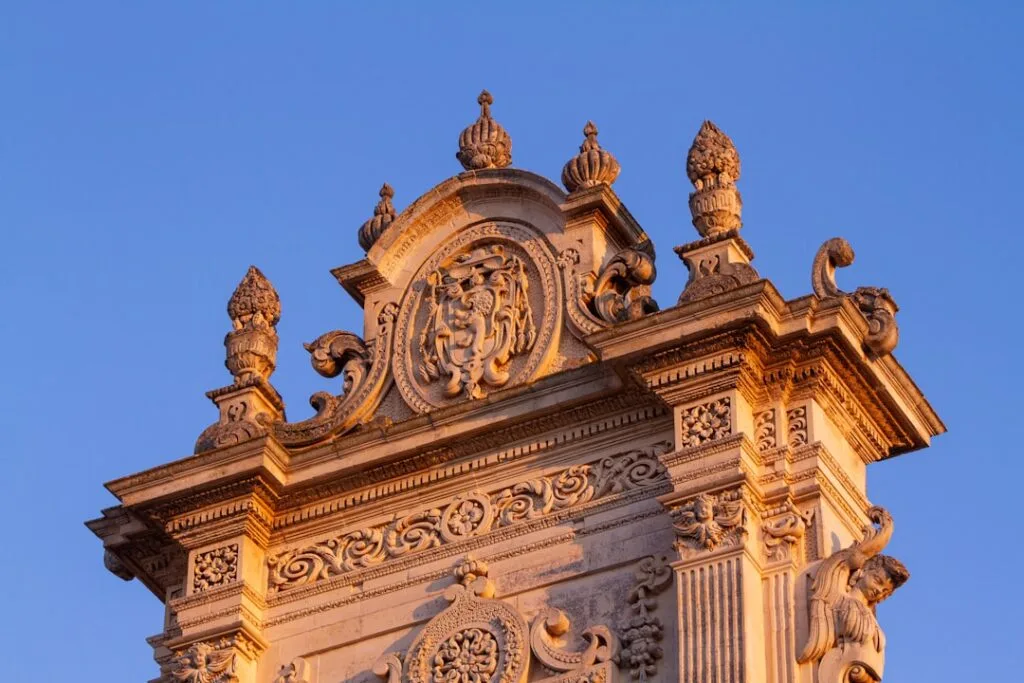
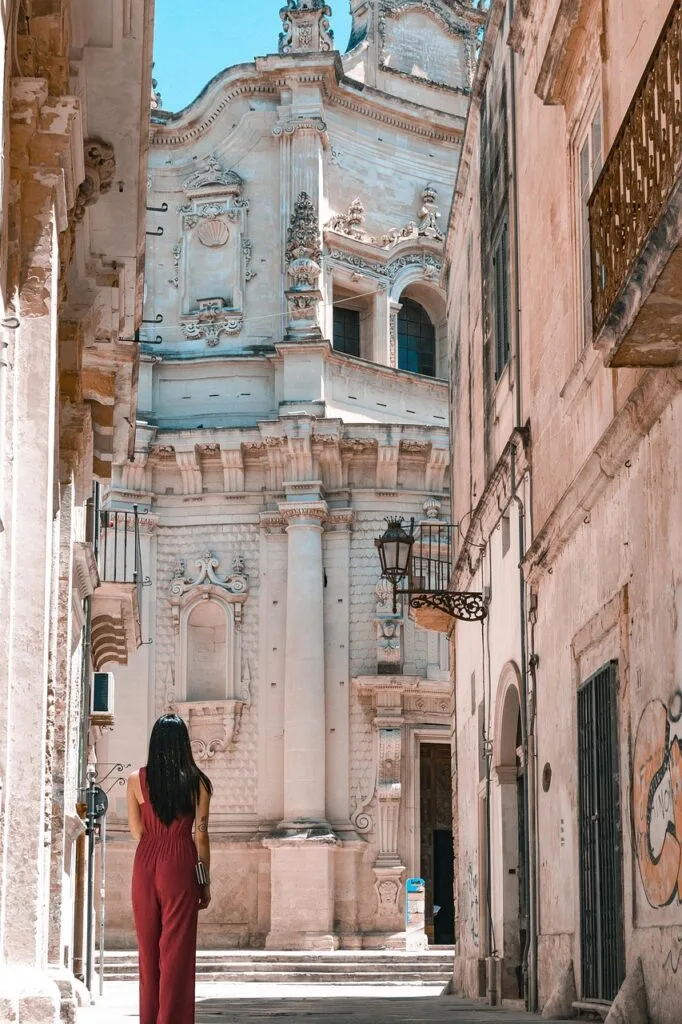
Lecce, jewel of the Salento, is often celebrated for its flamboyant Baroque architecture, monumental churches and façades of Lecce stone carved like lace. But beyond the big basilicas and tourist squares, the city hides a discreet network of private chapels, confraternity oratories and small sanctuaries tucked behind gates, at the back of cortili, or nested in noble palaces. These places, often overlooked by tour groups, offer a more intimate, personal experience of local spirituality, art and history: colorful stuccoes, gilded altarpieces, forgotten frescoes, and the patina of time on ex‑voto and benches worn by centuries of prayer.
In this post I offer a guided exploration of these little‑known spaces: how to spot them, which addresses to note, how much to budget in euros for a visit, typical opening hours (and—crucially—how to get permission to enter when it’s a private chapel or a confraternity oratory). You’ll find immersive descriptions for each site, practical visiting tips (best times, dress codes, photography) and logistical pointers to combine these discoveries with a stroll through Lecce’s historic centre.
Why care about these small chapels? Because they tell local stories that big plaques don’t always convey: confraternal rituals, popular devotions, patronage by noble families, influence of local craftsmen and Salentine sculptors’ workshops. Their apparent modesty often hides treasures: polychrome 17th‑century woodwork, carved stalls, signed altarpieces, or unique pavements. Visiting them also supports communities working to preserve fragile heritage—often open by appointment only and generally accessible for a voluntary donation or a small entry fee.
Before you set out, bring respectful clothing (shoulders and knees covered), a small printed guide or an offline mapping app (service can be patchy in the alleys), and a notebook to jot down the addresses and contacts I provide. I also recommend taking the time to contact the Ufficio Informazioni Turistiche di Lecce — a valuable contact for obtaining keys and appointments for some private oratories. Finally, prepare your camera if you have permission: these interiors make exquisite compositions in the morning or at golden hour, when Lecce stone catches the light like velvet.
The sections below detail four little‑known chapels and oratories, with full names, exact addresses, prices in euros, usual opening hours, immersive descriptions and local practical tips. Each place is a door into a unique Lecce story; enter gently, listen to the silences, and let yourself be surprised by the hidden treasures of Salentine Baroque.
1) Cappella privata di Palazzo Turrisi — Via Palmieri 21, 73100 Lecce
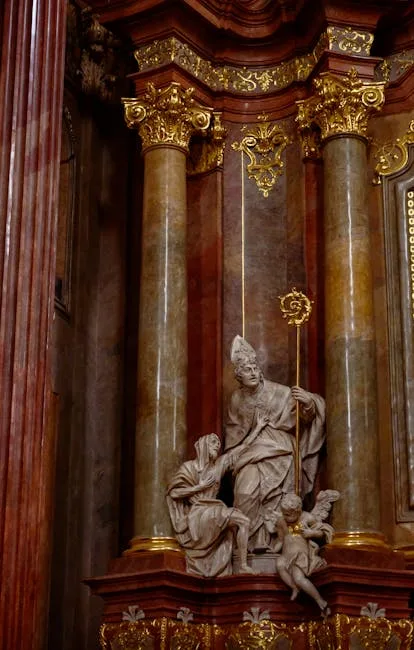
The Cappella privata di Palazzo Turrisi is a perfect example of those family chapels inside an aristocratic palace in the historic centre. Address: Via Palmieri 21, 73100 Lecce. The chapel, discreet from the street, opens onto a small inner courtyard and retains late Baroque decoration, with a veined marble altar, four twisted columns and an 18th‑century painted altarpiece depicting the martyrdom of a local saint.
 Click here to discover Lecce’s Baroque secrets on a guided tour
Hours and visiting: the chapel is not open continuously to the public. Visits possible by appointment only with the owner or via the Ufficio Informazioni Turistiche di Lecce. Suggested fee: voluntary donation, usually €3–€8 per person (the family often requests a symbolic €5 for maintenance). Reservations: +39 0832 246 730 (Ufficio Informazioni Turistiche) or by email [email protected] — please specify “visita Cappella Palmeiri 21”.
Immersive description: push the door and you’re met by a gentle coolness — Lecce stone soothing the summer heat. The ceiling is adorned with stucco garlands and cherubs with finely modelled faces. The altarpiece, though recently restored, still shows gold highlights and the patina of human touch: tiny ex‑votos, ribbons and offerings arranged on a discreet table. The acoustics are surprising: a whisper hangs and lengthens, perfect to hear a short guide’s explanation or to sit a moment in silence.
Practical tips: arrive early afternoon after visiting the larger churches to enjoy a quiet moment; bring cash for the donation (small bills). Respect the owners’ privacy: no flash, ask before photographing, and avoid noisy groups. The site is close to Piazza Sant’Oronzo (5–10 minutes on foot), making it easy to combine with a coffee break in the nearby alleys.
2) Oratorio della Confraternita della Morte — Via dei Perroni 7, 73100 Lecce
The Oratorio della Confraternita della Morte is a historic oratory tied to a charitable confraternity active since the 16th century. Address: Via dei Perroni 7, 73100 Lecce. The place serves a double role: devotional space and headquarters for the confraternity’s social work. The oratory is noted for its carved wooden panels, sober funerary iconography and a side chapel dedicated to the Madonna della Pietà.
Click here to discover Lecce off the beaten path, its alleys and stone lace

Hours & prices: open to the public on certain days, usually Tuesday to Saturday 10:00–13:00 and Thursday evenings 17:00–19:00. Free entry but a €2–€6 donation is suggested for preservation. Guided visits by appointment for groups up to 15 (live guide fee: €40, to be shared). Contact on site or via the local parish: Parrocchia di San Matteo, Via del Teatro Romano 10, +39 0832 305 421.
Immersive description: the oratory surprises with its hushed, almost monastic atmosphere. Terracotta floors, worn wooden benches and commemorative marble plaques tell the stories of confreres and patrons. In the dim light, directed lighting highlights a series of paintings depicting the works of mercy. At times volunteers unlock chests with archives and old letters, letting curious visitors leaf through Lecce’s social history — a dive into a collective memory seldom seen on typical tourist routes.
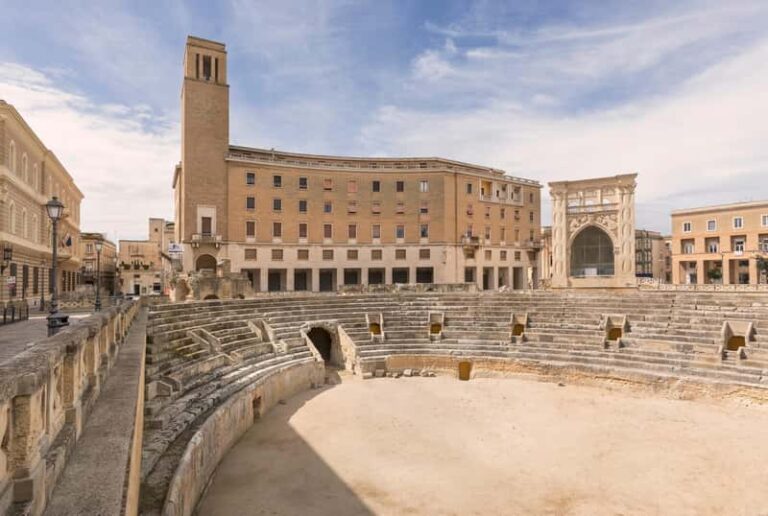
Practical tips: visit in the morning to enjoy the natural light streaming through a skylight and illuminating the panels. Keep quiet and avoid large walk-in groups: the oratory remains a place of prayer. If you’re interested in the archives, write in advance to the local curator (email available from the Ufficio Informazioni Turistiche) to get permission. Finally, pair the visit with a walk to the anfiteatro romano (Via XXX Marzo) to place the oratory in its historic urban context.
Which experiences to book to extend your discovery of Lecce’s lesser-known oratories?
The options differ by focus: some emphasize social history and confraternities, others intimate photography or the esoteric anecdotes of the lanes. Choose according to your mood — documentary immersion, photographic framing, or a themed stroll off the beaten path.
1. In-depth Baroque tour
Three-hour walk focused on architecture and anecdotes: stops at a papier-mâché workshop and an olive oil tasting. Small groups for a calm exploration of the historic centre and tiny chapels.
- ⏱️ Duration: 3 hours
- 🚩 Start: Piazza Duomo
- 🚶 Format: Guided walking tour
- 🗣️ Languages: Italian, English
- 💡 Highlight: Local tasting & artisan workshops
2. Unusual Lecce & hidden corners
A short, dense route (1.5 h) focused on legends, family rivalries and sculpted details that conceal the memory of oratories. Ideal for understanding the social context of private chapels.
- ⏱️ Duration: 1.5 hours
- 🚩 Start: Piazza Sant’Oronzo
- 🚶 Format: Walking route
- 🗣️ Languages: English, Spanish
- 💡 Highlight: Local stories and anecdotes
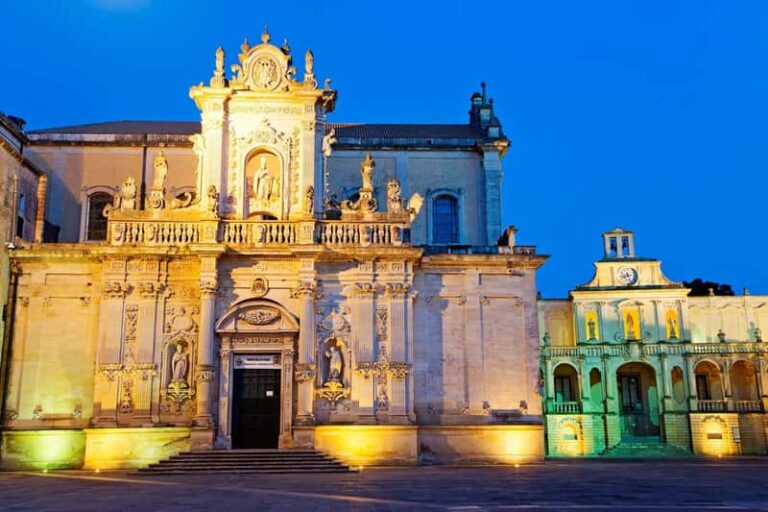
3. Intimate photographic tour
Two-hour session to capture light and details of Baroque interiors; the photographer-guide helps compose sensitive images of oratories and private courtyards. Deliverable: 30 HD photos.
- ⏱️ Duration: 2 hours
- 🚩 Start: Porta Rudiae
- 🎧 Format: Private photo session
- 🗣️ Languages: Italian, Spanish, English
- 💡 Highlight: Portraits and natural light
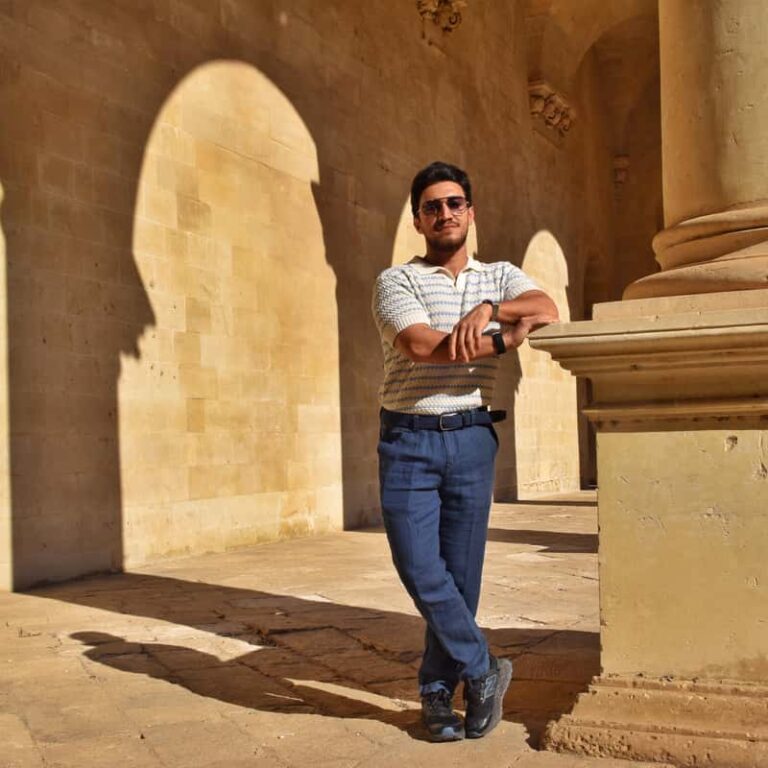
4. Esoteric & craft route
Themed itinerary (2 h) that reads Baroque symbols and opens a door to papier-mâché workshops: perfect to link sacred iconography with local craftsmanship.
- ⏱️ Duration: 2 hours
- 🚩 Start: Colonna di Saint-Oronzo
- 🚶 Format : Themed walking route
- 🗣️ Languages : Italian, English
- 💡 Highlight : Symbolic reading & craft
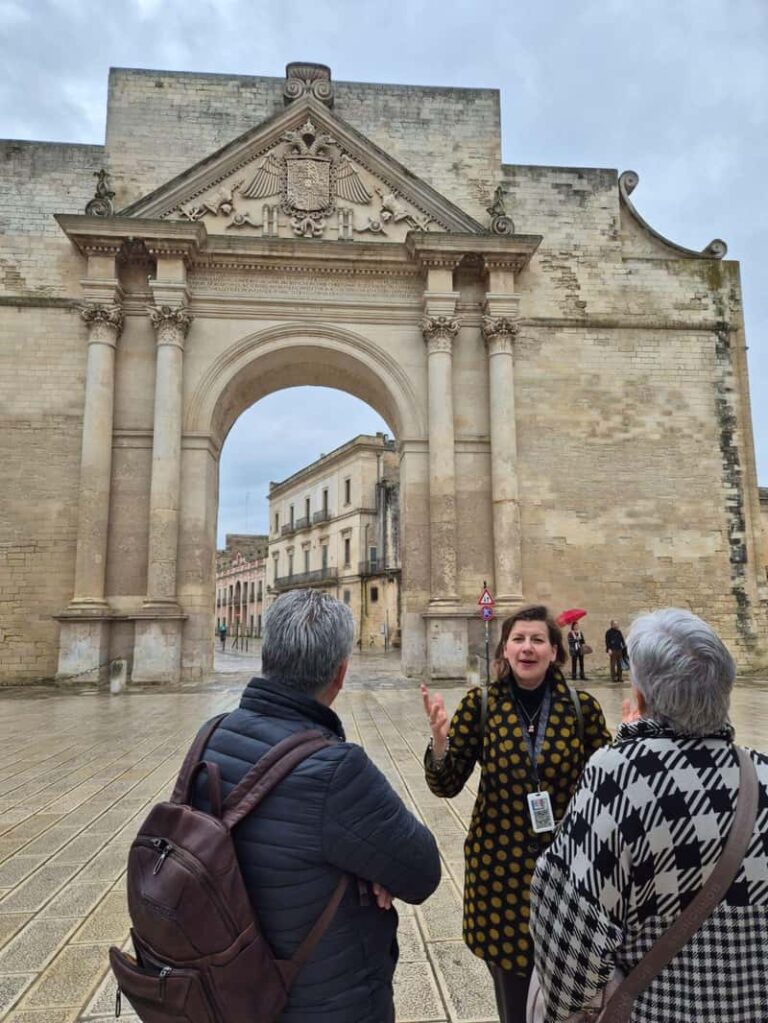
3) Cappella del Santo Sepolcro — Via San Biagio 12, 73100 Lecce
The Cappella del Santo Sepolcro is a small chapel attached to a religious house, often overlooked because it has no frontal signage. Address: Via San Biagio 12, 73100 Lecce. Its uniqueness lies in the theatrical staging of the “Santo Sepolcro” during Holy Week, featuring a carved wooden Christ and movable decorations that bear witness to a living liturgical tradition.
Click here to book a private walking tour of Lecce
Opening hours and fees: the chapel is open to the public seasonally; regular hours: Wednesday and Saturday 11:00–13:00, Sunday 16:00–18:00. During Easter, extended open hours and special services. Free entry but a recommended contribution of 2–5 €. For private visits outside opening times, contact il Conservatore del complesso religioso at +39 0832 402 987 (WhatsApp messages accepted) or ask at the sacristy on site.
Immersive description: crossing the threshold is to step into a set where popular fervor and sacred art meet. The walls are covered with maritime ex‑votos and objects dug up from tides of local devotion — sepia photos, medals, procession banners. The altar is framed by a series of painted small columns and a baroque canvas in the background. Soft lighting creates reflections on the gilded frame and reinforces the sense of intimacy. During Holy Week the atmosphere becomes almost theatrical: rows of candles, a cappella chants and stretched veils that turn the chapel into a space for dramatic meditation.
Practical tips: if you visit during Holy Week, arrive at least 30 minutes before ceremonies start to secure a seat; the chapel fills up quickly. Outside that period, favor a weekday visit for a more contemplative atmosphere. Photographers should ask permission before photographing liturgical objects; relics and ex‑votos are often protected by fragile display cases. The chapel is a 7‑minute walk from the Duomo di Lecce, convenient for a religious walking route.
4) Oratorio di Santa Maria del Tempio (Oratorio privato dei Pellegrini) — Via Giorgio Ardito 3, 73100 Lecce
The Oratorio di Santa Maria del Tempio, locally known as the Oratorio privato dei Pellegrini, is a small historical gem linked to pilgrims on their way to the shrines of the Salento. Address: Via Giorgio Ardito 3, 73100 Lecce. Built in the 17th century and renovated in the 19th, the oratory features a cycle of frescoes depicting episodes from the life of Mary and an intricately carved Italian wooden pulpit.
Click here to explore Lecce’s baroque architectural treasures
Hours and visiting: the oratory is generally open to the public on Thursdays and Sundays, from 10:00 to 12:30 and 16:30 to 18:30. Guided tours available by reservation (local guide fee 35–50 € depending on language). Free entry with a suggested donation of 3–7 €. For visits outside hours: contact the Confraternita dei Pellegrini via the Ufficio Turismo — +39 0832 246 730.
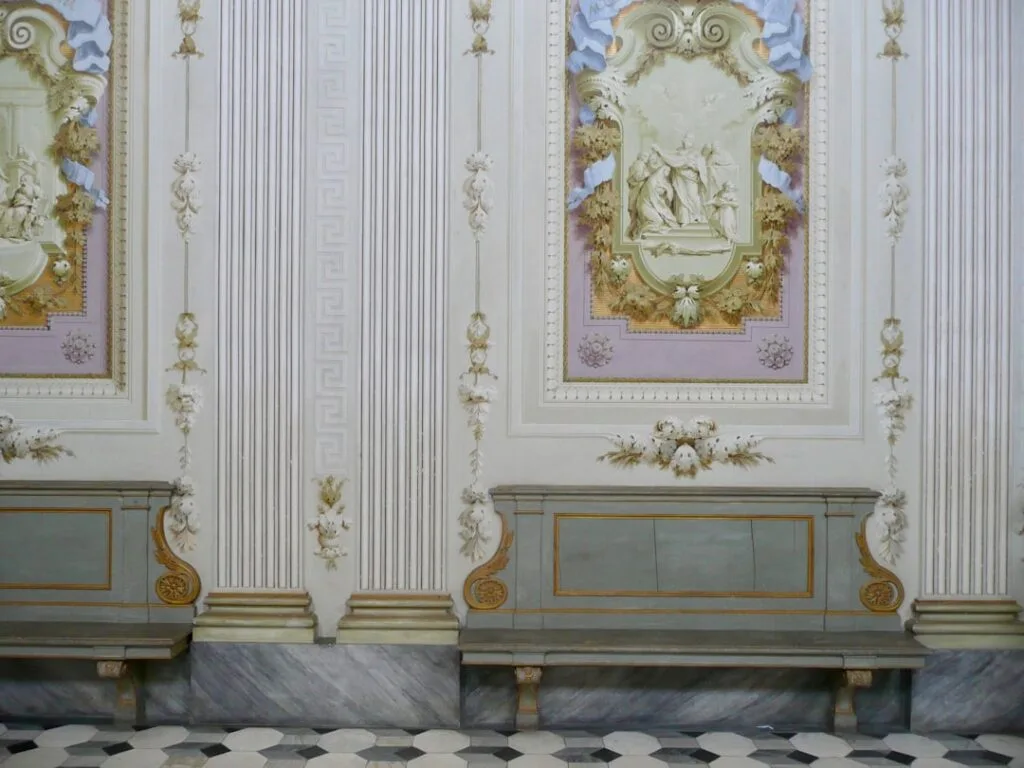
Immersive description: the first impression is of a domestic sacred space: tiled floors, hanging lamps and benches closely arranged suggesting frequent use by small groups of worshippers. The frescoes, though partly restored, retain an intimate charm: gentle faces, colors ringed by shadow, small scenes of compassion and care for the sick. On a side table, handwritten brochures and a small donation box testify to community management and a direct link between visitors and those who ensure the oratory’s opening.
Practical tips: this is a perfect place for travelers seeking to understand popular Salentine piety. Avoid entering in overly large groups; prefer a morning visit to benefit from clear light on the frescoes. If you’re interested in local liturgical music, enquire in advance: the Oratory sometimes hosts small sacred music concerts (participation 8–12 €). Finally, combine this visit with a stop at the Mercato di Piazza Sant’Oronzo to taste local specialties after the spiritual discovery.
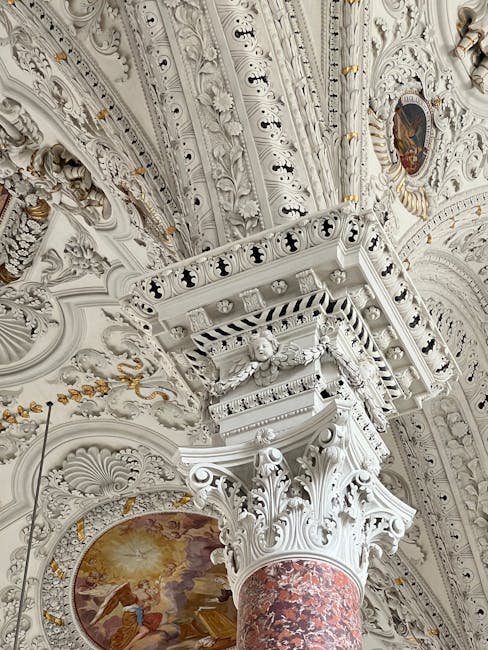
Conclusion — Why these little‑known places are worth the detour
The private chapels and little‑known oratories of Lecce are not just art sites or curiosities: they are the living reflection of a social, religious and cultural fabric deeply rooted in the city. Visiting the Cappella privata di Palazzo Turrisi, the Oratorio della Confraternita della Morte, the Cappella del Santo Sepolcro or the Oratorio di Santa Maria del Tempio, you don’t just walk through architectural spaces; you enter personal stories — those of families, confraternities, pilgrims and artisans who shaped Lecce’s daily life for centuries. These places offer a different experience from the tourist ‘spectacle’: discovery here requires patience, respect and sometimes a little effort to arrange a visit. But it is precisely that silence, intimacy and availability that make the visit so rewarding.
Practically speaking, keep a few simple rules in mind to make life easier: always check opening times in advance as they may vary with season or religious festivals; favor cash for donations and small fees; contact the Ufficio Informazioni Turistiche (Piazza Sant’Oronzo 19, 73100 Lecce, +39 0832 246 730, [email protected]) for appointments and information; and respect local customs (silence, modest dress, prior permission for photography). These gestures will help you connect with the people who care for and keep these places alive — priests, volunteers, and sometimes descendants of patron families — and to obtain anecdotes and object interpretations not found in any printed guide.
Finally, think of these visits as threads you weave into the fabric of your stay in Lecce. By combining private chapels with major sites (Basilica di Santa Croce, Duomo di Lecce, Anfiteatro Romano), you create an emotional and stylistic map of the city: from the grandiose to the understated, the public to the private, the monumental to the everyday. Give yourself time to lose yourself in the narrow streets, to listen to the stories, and perhaps to return a second time to an oratory that touched you. These places, though discreet, will leave lasting impressions — a particular light on an altarpiece, the sound of a step, or the smiling face of a volunteer who opened a door rarely opened to the hurried visitor.