





Introduction: Why an accessible baroque walking route in Lecce?
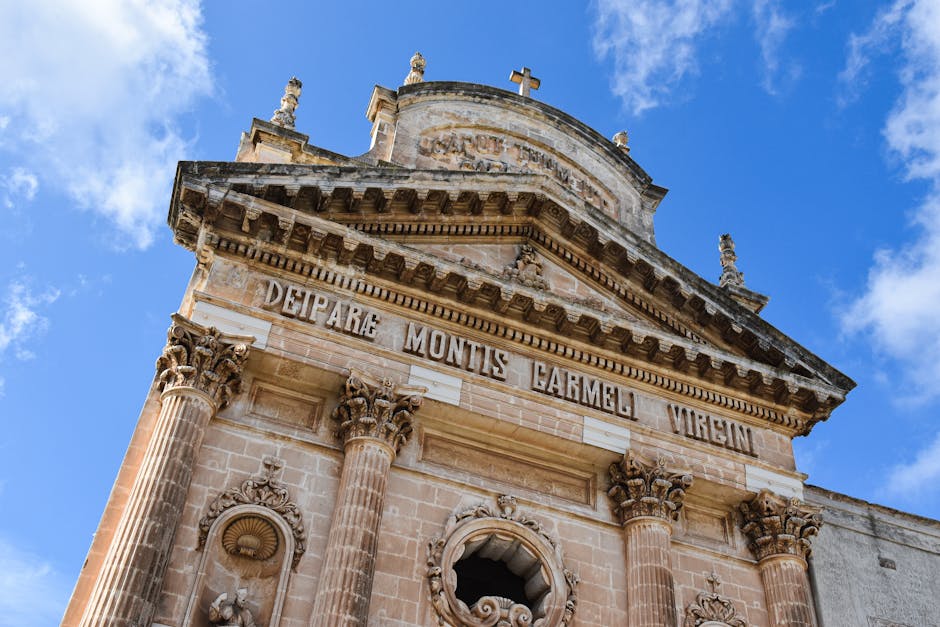
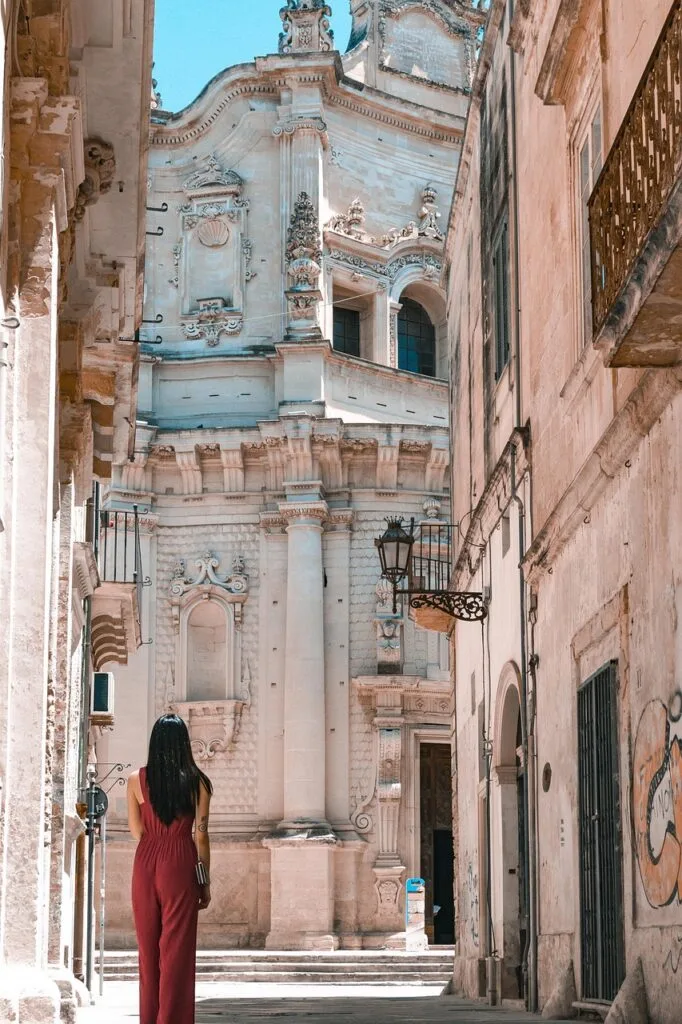
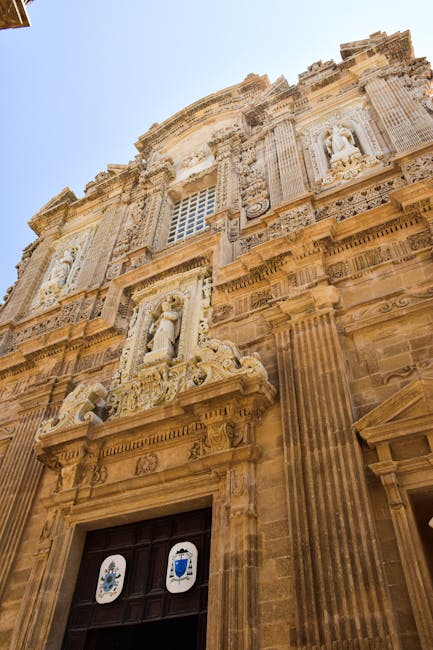
Lecce, often nicknamed the “Florence of the South” or the “Siena of Baroque,” is a treasure in Puglia where baroque details adorn every façade, balcony and carved cornice. A thoughtfully laid-out walk lets you capture the city’s architectural, artistic and sensory essence in just a few hours, while keeping things accessible for people with reduced mobility, families with strollers, and anyone who prefers a relaxed pace. This accessible baroque walking route in Lecce lays out a coherent, progressive and well-documented itinerary — from Piazza Sant’Oronzo to the Duomo, via the Basilica di Santa Croce and Castello Carlo V — with practical info: full addresses, typical opening hours, entrance fees in euros, and local tips to help you navigate the paving and fully enjoy the local limestone, pietra leccese.
The goal isn’t to merely list monuments but to accompany each stop with immersive descriptions so you can anticipate what you’ll see, feel and photograph: the golden reflections on carved masks at late afternoon, the smell of local food drifting from side streets, how morning light sculpts baroque swirls. This guide focuses on accessibility: which streets are cobbled but well-leveled, where ramps and accessible toilets are located, and where to rest. Hours and prices are updated using the latest public information, but it’s wise to double-check online before your visit, especially during high season or local religious festivals.
The route is designed as a 2–3 hour walk, adjustable to your pace and coffee breaks. It starts at Piazza Sant’Oronzo — a central, easy meeting point — and finishes at either Castello Carlo V or Museo Faggiano, depending on your preference. At each stop you’ll find a short history of the site, architectural details worth noting (roses, putti, grotesques), and practical tips: the best times to avoid crowds, entrance fees and wheelchair access, or alternatives to bypass stairs. Finally, a few suggestions for local treats will let you combine culture with food: a warm pasticciotto, a lemon-correctto espresso, or a glass of Primitivo to close the day.
Piazza Sant’Oronzo and the Roman Amphitheatre: starting point and historical context
Begin your baroque walk at Piazza Sant’Oronzo, the beating heart of Lecce. Address: Piazza Sant’Oronzo, 73100 Lecce LE, Italy. This square layers history: the column of Sant’Oronzo, the city’s protective symbol, rises against the square’s restrained modernism, while remnants of the Roman Amphitheatre of Lecce lie just beneath the surface and are visible from the square. The amphitheatre sits directly under Piazza Sant’Oronzo and can be explored from the lower levels that are continuously visible. Price: free access from the square; occasional paid guided tours (≈ €5–8). Hours: the square is open 24/7; the archaeological area is visible at all times, though guided tours and specific archaeological area access often run roughly 9:00–19:00 during tourist season.
Immersive description: imagine walking on warm limestone slabs, surrounded by the café façades where locals sip their morning espresso. Beneath your feet, the amphitheatre’s tiers tell of when Lecce was Lupiae, a Roman centre. Notice the joints of pietra leccese, a soft limestone that takes on a warm, golden patina. Piazza Sant’Oronzo is also the best spot to watch urban life: pop-up markets, street musicians, and municipal events.
Practical tips: the square is level and wheelchair-friendly; however, watch out for uneven cobbles around the amphitheatre. If you want a guided tour, book in advance through the local tourist office (IAT Lecce, Piazza Sant’Oronzo). Bring sunscreen and water in summer; in winter, the low light highlights sculptural details.
Basilica di Santa Croce: the high point of Lecce baroque
The Basilica di Santa Croce is one of the absolute masterpieces of Lecce’s baroque. Address: Piazza S. Croce, 73100 Lecce LE, Italy. It stands about 400 metres from Piazza Sant’Oronzo, up Via Umberto I toward the northeast. Opening hours: generally 9:00–12:00 and 15:30–19:30 (closed for services at times); in high season, extended evening hours may be available for guided visits. Price: church entry is free; some guided accesses to adjacent heritage areas may be charged (≈ €3–6).
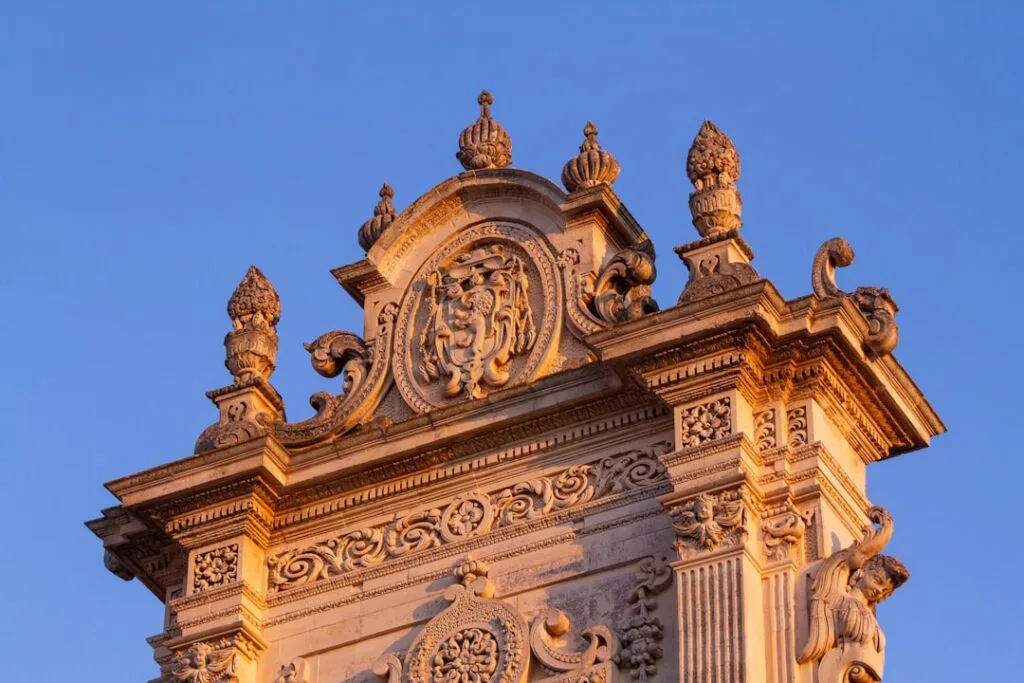
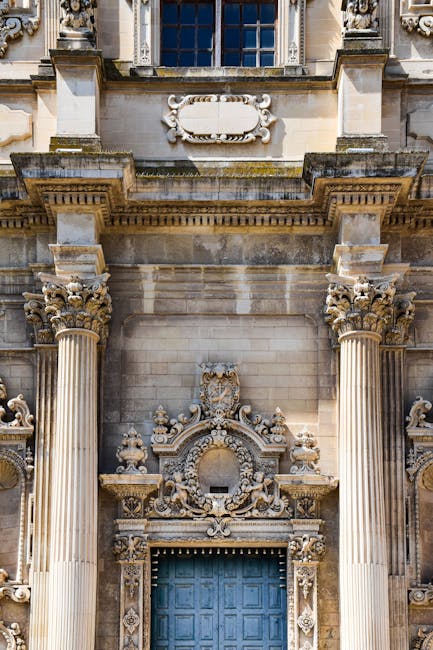
Detailed description: the basilica’s façade is a sculptural explosion of volutes, allegorical figures, putti and grotesques, carved in the 17th century. Every balcony and pilaster is adorned with marine, floral and mythological motifs. Inside, pietra leccese creates rich contrasts of light and shadow; side chapels house lavishly gilded altarpieces and restored frescoes. Take time to admire the high rose window and the carved portal — tiny details like cherub heads and expressive masks reveal the finesse of local craftsmanship.
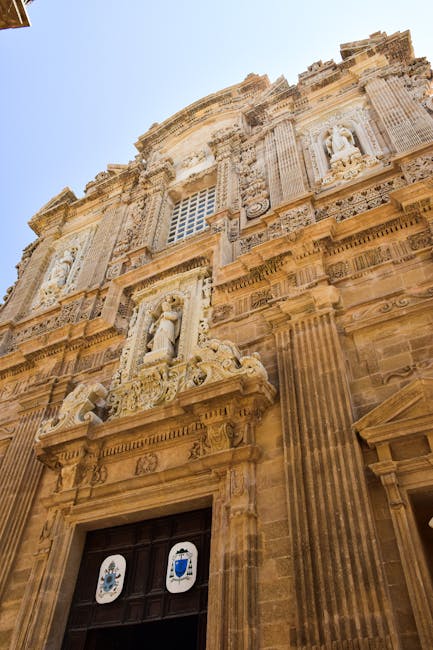
Accessibility: the basilica has level access from the square, though some chapels and lower sections may include steps. Church staff and volunteers are usually available to assist visitors with mobility needs. Wheelchair users should enter through the main access and immediately mention any assistance required; adapted guided tours can be arranged in advance.
Local tips: arrive early to see the façade without crowds and to capture the soft light that highlights the reliefs. If you’re into photography, avoid flash and bring a 24–70mm lens to capture both details and overall compositions. After your visit, grab a coffee at Caffè Alvino a few streets away — a great spot for a pasticciotto (€1.50–2.50) while people-watching.
Piazza del Duomo and the Cathedral Complex: art, bell towers and views
Lecce’s Cathedral Complex unfolds around the picturesque Piazza del Duomo. Address: Piazza Duomo, 73100 Lecce LE, Italy. The complex includes the Cattedrale di Maria Santissima Assunta, the diocesan museums and the bell tower. Hours: the cathedral usually opens 8:30–12:30 and 16:30–19:30; the Museo Diocesano (Piazza del Duomo, 23) often opens 10:00–13:00 and 15:30–19:00; it may be closed on Mondays at certain times. Price: visiting the complex and climbing the bell tower is around €3–5 (reduced rates for youth and seniors).
Immersive description: Piazza del Duomo feels like a secluded courtyard, surrounded by episcopal palaces and arcades. The baroque bell tower rises like a delicate vertical filigree and, if you can climb it (narrow stairs or elevator depending on availability), the view over Lecce’s roofs is spectacular: a sea of tiles and ochre buildings, with pietra leccese catching the light. Inside the cathedral admire the stuccoes and the baroque high altar; the diocesan museum houses liturgical objects, manuscripts and paintings that explain the Church’s role in spreading local baroque style.
Accessibility and practical tips: Piazza del Duomo is relatively level, but parts of the complex may include steps. Check in advance about the bell tower elevator; in peak months (July–August, religious festivals) queues can form. The museum often offers audio guides and panels in Italian and English. For a bite nearby, La Cucina di Mamo (Via del Palazzo, 11) has lunchtime menus from about €12–15.
Castello Carlo V and the old walls: a stop for history and panoramas
The Castello Carlo V embodies Lecce’s military and political side. Address: Piazza Castello, 73100 Lecce LE, Italy. This 16th-century fortress, built under Habsburg influence, sits north of the old town, about a 6–8 minute walk from Piazza del Duomo. Hours: usually open 9:00–19:00 (times vary for temporary exhibitions); some areas may be closed for events. Price: entry varies by exhibition; permanent and temporary shows generally cost €3–6.
Description: the quadrangular castle offers a different take on baroque: starker façades, bastions and vaulted rooms often used for contemporary art shows and cultural events. Walking the ramparts — when open — provides a unique vantage point over the baroque city, letting you appreciate the sculptural density of façades from a more restrained height. The vaulted halls host temporary exhibitions that pair heritage with local creativity, offering a compelling contrast to the rich ornamentation of Santa Croce.
Accessibility: the castle has ground-level access and ramps in certain areas, but a full visit can include stairs. Main exhibition spaces are often climate-controlled and fitted with lifts for visitors with reduced mobility; check the current exhibition to be sure. Families can sometimes find reduced-rate educational workshops.
Practical tips: check the Comune di Lecce cultural calendar for artisan markets or concerts in the courtyard. Nearby, Porta Napoli (Piazzetta Bottazzi, 73100 Lecce) is another small architectural stop not to miss; it marks one of the city’s historic gates. For an affordable yet refined lunch nearby try Ostro (Via Umberto I, 9) or grab a snack at Pasticceria Pasticciotto (Via Libertini) where a pasticciotto costs roughly €1.50–2.50.
Via Palmieri, craft shops and rest stops: baroque life in daily detail
To close the loop, take Via Palmieri — a decorative shopping artery in Lecce. Main address: Via Umberto I / Via Palmieri, 73100 Lecce LE (the street crosses the old town and links the main squares). Via Palmieri is dotted with local craft shops, stone restoration workshops and small galleries. Hours: shops typically open 9:30–13:00 and 16:30–20:00; some businesses close longer in August (ferie). Price: strolling is free; purchases vary (souvenirs €2–30 depending on the item).
Immersive description: wandering Via Palmieri is to touch everyday baroque life: wrought-iron signs, façades studded with carved masks, and shop windows filled with ceramics, coral jewelry and pietra leccese sculptures. Artisan workshops sometimes offer demos: stone polishing, frame engraving, or stucco restoration. It’s an ideal place to find an authentic souvenir — a small bas-relief in stone or a piece of jewelry inspired by local motifs.
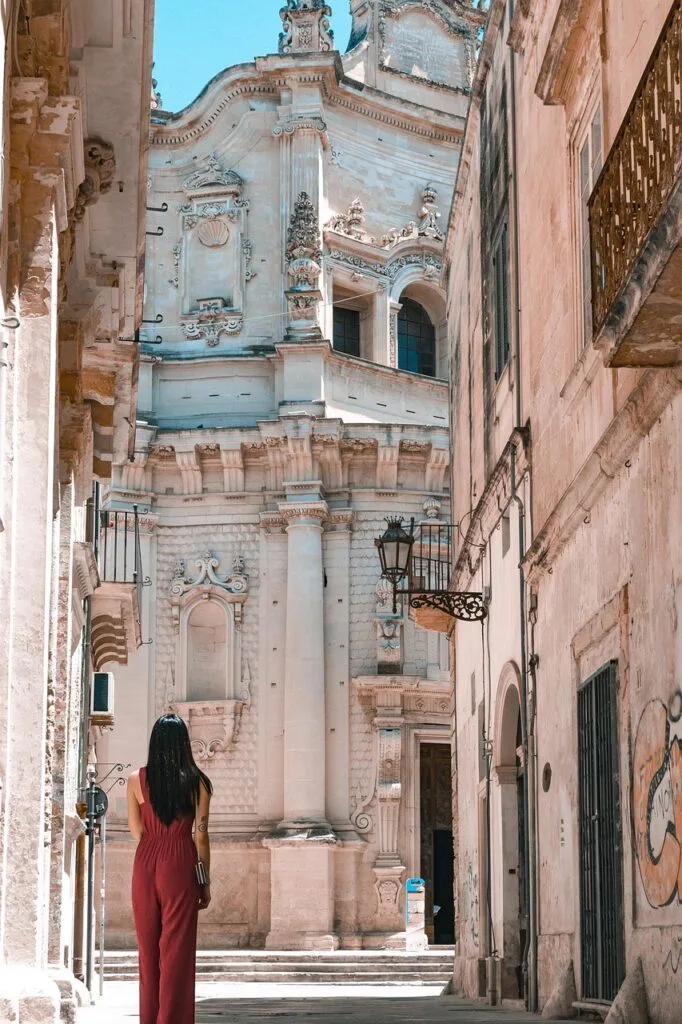
Accessibility: the street is generally manageable with a stroller or wheelchair, though watch for cobbled patches and shop thresholds. Cafés and bars along the street often have a small ramp or a single step; don’t hesitate to ask staff for help crossing a threshold.
Local tips: stop at Bar Roma (Via Palmieri, exact number varies) for a coffee or a seasonal granita (€2–4). If you’re on a modest budget, a full lunch at a traditional osteria costs about €12–18. For craft purchases, politely haggle when buying multiple items and favour workshops that display a business card or a small certificate of origin for pietra leccese.
Practical tips for a truly accessible baroque walk
Getting around Lecce takes a bit of planning: the lanes are often narrow and cobbled, but the city remains one of Puglia’s more accessible places if you choose your route well. Here are concrete recommendations to make your walk pleasant and safe.
- Shoes: opt for soft-soled, non-slip footwear; polished cobbles can get slippery after rain.
- Recommended times: morning (9:00–11:30) or late afternoon (17:00–19:30) for the best light and cooler temperatures in summer.
- Wheelchair accessibility: contact the IAT Lecce tourist office (Piazza Sant’Oronzo) to request adapted routes, wheelchair rentals or temporary elevators at heritage sites.
- Accessible toilets: Piazza del Duomo and some bars along Via Palmieri have restrooms; it’s better to identify them before you set off.
- Transport: the central pedestrian area is perfect for walking; for cars, parking near Parcheggio Porta Rudiae (Via Taranto) and walking a short distance to Piazza Sant’Oronzo is recommended.
- Health: carry a bottle of water (0.5–1.5 L) in summer; public drinking fountains provide free potable water.
- Language and services: tourism staff often speak English; signs are mainly in Italian, but prices and hours are usually easy to understand.
- Safety: Lecce is generally safe; stay alert in quiet alleys at night and avoid displaying valuables in back pockets.
Useful resources and contacts
Tourist Office (IAT Lecce): Piazza Sant’Oronzo, 73100 Lecce LE — Phone: +39 0832 249081 (hours: 9:00–18:00, closed some Sunday mornings). For exhibitions and Castello Carlo V: Comune di Lecce, Ufficio Cultura, Piazza Libertini, 73100 Lecce LE. For up-to-date hours and tickets consult the official monument websites or contact museums by email. Many places accept card payments; carry some cash for small purchases (pastries, minor entries).
Conclusion: experiencing Lecce’s baroque at your own pace
Lecce delivers an intense, concentrated and accessible baroque experience if you plan your walk. Starting from Piazza Sant’Oronzo, letting yourself be mesmerized by the dazzling façade of Basilica di Santa Croce, taking in the views from the Duomo bell tower and exploring the more austere volumes of Castello Carlo V, you’ll get a comprehensive panorama of Lecce’s baroque: its theatricality, decorative finesse and dialogue with everyday life. This accessible walking plan pairs practical data — precise addresses, indicative hours and prices — with concrete tips to make the visit easy and enjoyable, even for visitors with reduced mobility or families.
Don’t skip the small pauses: a quick coffee, a warm pasticciotto on a terrace, or a stop at an artisan workshop to see how pietra leccese is worked. These moments add depth to the visit and leave you with more than just photos — a tangible memory of the place. Adapt the route to your rhythm: spread it over half a day with food breaks, or condense it into a two- to three-hour stroll. The recommended sites are among the most representative of Lecce’s baroque, and the city’s compact size makes it wonderfully walkable.
Before you go, check monument opening times (especially the basilica, diocesan museum and Castello Carlo V) as services, temporary exhibitions or municipal events can change visiting hours. For a deeper experience, consider a specialist baroque walking tour; a local guide will share anecdotes, stylistic insights and sometimes access to reserved areas. Whatever you choose, Lecce awaits — a place where ornament becomes language, every stone tells a story, and baroque is best savoured slowly and at human scale.