





Introduction — Why Salento olive oil from Lecce deserves your attention
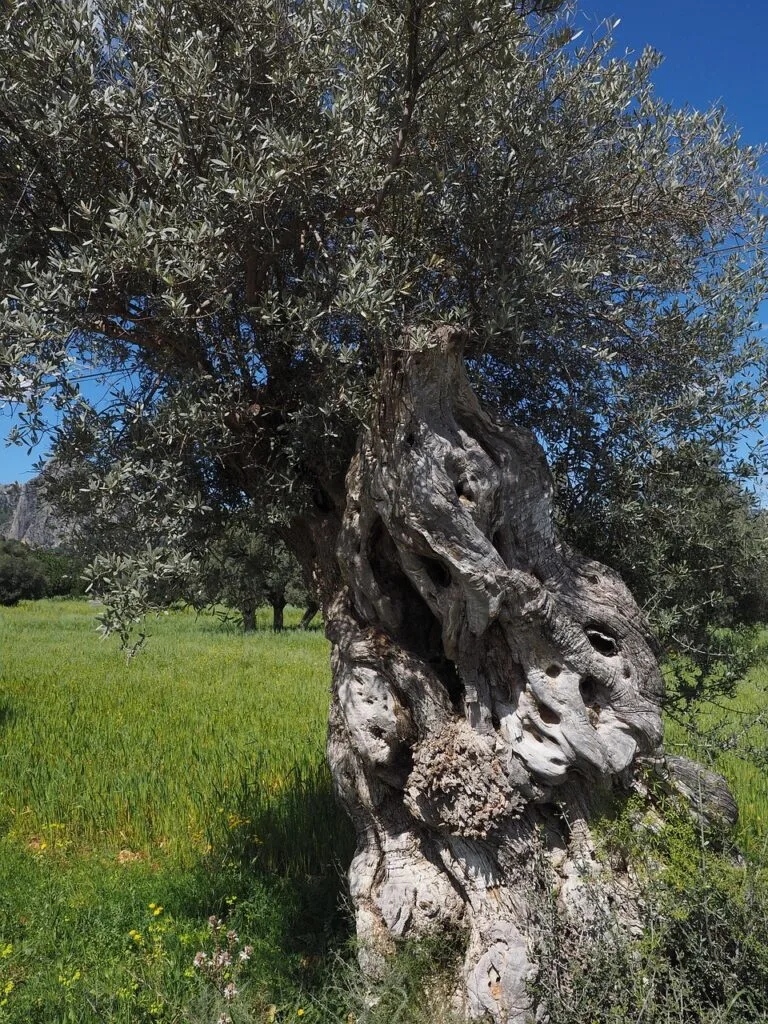
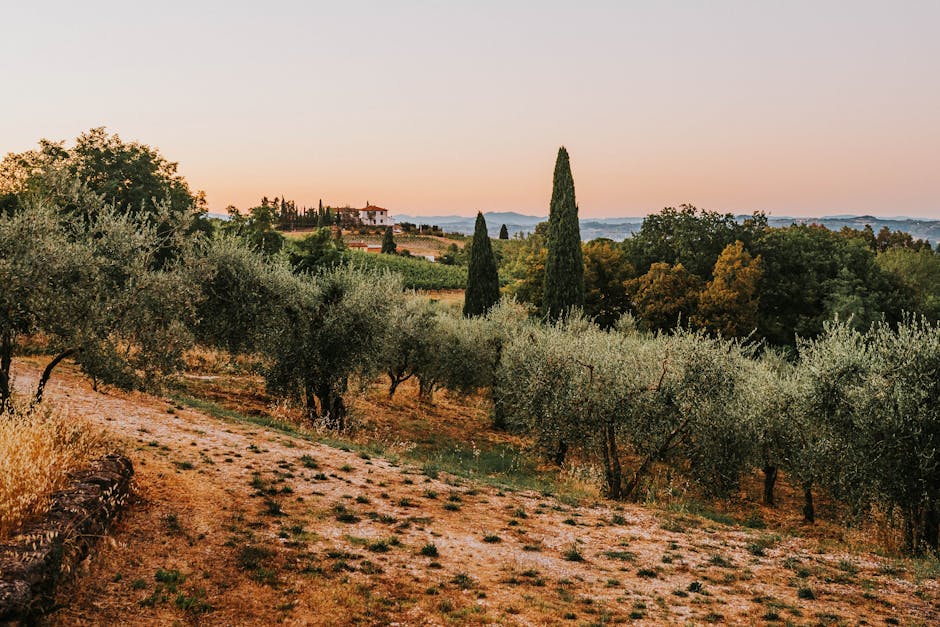
The Salento peninsula, the southern tip of Puglia, is a land of ancient olive trees and time-honored culinary traditions. At the heart of this area, the city of Lecce plays a key role: it’s where Baroque history, bustling markets and small-scale olive oil producers meet. Choosing Salento olive oil in Lecce isn’t just about tasting and buying a bottle; it’s a sensory experience that ties together terroir, olive varieties, pressing methods and the personalities of the people who produce it. Olive oil here tells a story: of a dry Mediterranean climate, mild winters, wind-sculpted trees and know-how passed down through generations.
In town you can visit specialist shops, covered markets, countryside oil mills (frantoi) and even food museums. Learning how to choose Salento olive oil means recognizing quality labels—DOP (Protected Designation of Origin) or IGP—but also sharpening your palate: oils can range from sharp and grassy to soft and fruity. In Lecce, typical products like extravirgin made from « Ogliarola Leccese » or « Cellina di Nardò » reflect microclimates and terroirs that can change just a few kilometers away.
This complete guide walks you through step by step: how to read a label, what questions to ask the seller, where to go for genuine tastings, which addresses to visit in Lecce’s historic center and surroundings, and what price ranges to expect depending on quality and packaging. You’ll also get practical tips for packing oil in your luggage, storing an opened bottle, and pairing these oils with local dishes—from puccia to grilled fish and the famous « pasta alla frisa. »
Whether you’re a curious foodie, a home cook or an oil collector, choosing Salento olive oil in Lecce can become one of your trip’s most vivid souvenirs. You’ll learn to spot aromas of fresh grass, green apple, almond or artichoke, and to tell when an oil is overly oxidized or industrially produced. This article gives concrete addresses, opening times, price ranges in euros and local tips to make the most of your experience—from the sunlit Piazza Sant’Oronzo to the lanes of the old town and the gates of rural frantoi. Get ready to dive into the rich, passionate world of Salento olive oil, starting right in Lecce.
Understanding the basics: olive varieties, labels and flavor profiles
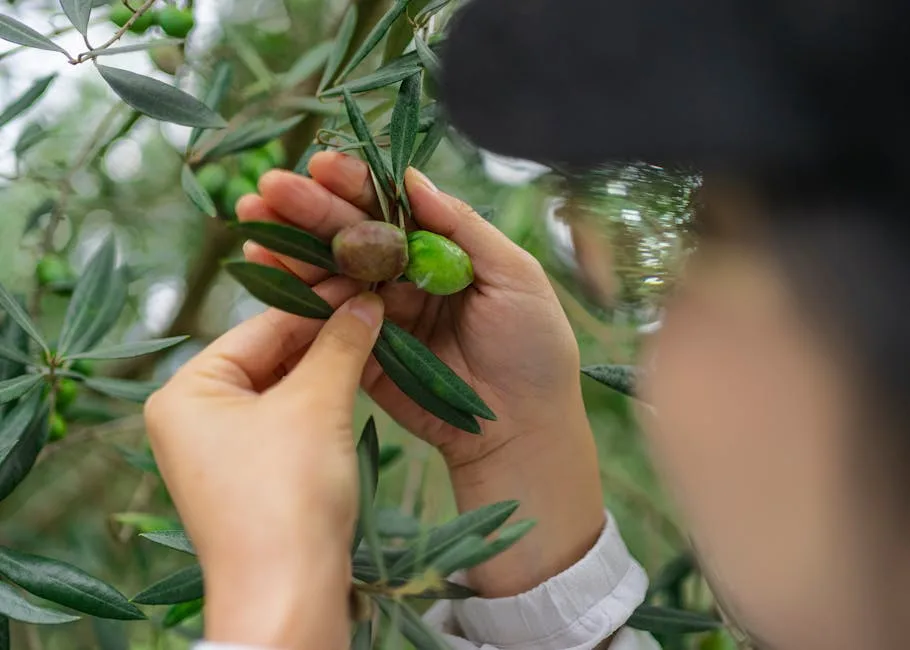
Before you buy, it helps to know the essentials. In Salento, a few varieties dominate the olive landscape. The Ogliarola Leccese is known for floral notes and a slight bitterness, producing a well-balanced extra virgin. The Cellina di Nardò yields rounder, milder oils that work beautifully with delicate dishes. You’ll also find artisanal blends that combine these varieties to create more complex flavor profiles.
Labels are your traceability tool: terms like DOP Terra d’Otranto or IGP Toscano/Salento (depending on what’s available) signal a direct link to the land and strict production rules. Always check for the harvest or bottling date on the label: olive oil is a living product and freshness matters a lot. A two-year-old oil will have lost much of its aromas and benefits.
Flavor profiles are often described in three stages: the attack (fruitiness), the persistence (bitterness) and the pungency (that peppery tingle at the back of the throat). A young, well-made oil shows green fruitiness, pleasant bitterness and a peppery finish—signs it’s rich in antioxidants. In Lecce, always ask for a tasting—the best shops and frantoi will offer small spoons or tasting glasses so you can smell and sip.
Finally, packaging affects shelf life: prefer dark glass or tin cans (latta) over clear plastic. Small 250 ml bottles are great if you plan to taste several oils; 3-liter tins make sense if you’ve found a favorite and are staying in the area. Typical price ranges you’ll see in Lecce: 250 ml of good artisanal extra virgin between €6 and €12, 500 ml between €10 and €20, 3-liter tins between €25 and €45 for local producers. Premium single-variety DOP bottles can reach €25–€40 for 500 ml.
Where to taste and buy in Lecce: markets, delis and frantoi
Lecce offers several key spots to discover and purchase Salento olive oil. The Mercato Coperto di Piazza Sant’Oronzo (Piazza Sant’Oronzo, 73100 Lecce) is a perfect starting point: this covered market hosts stalls with local oils, cheeses, cured meats and producers. Address: Piazza Sant’Oronzo, 73100 Lecce. Opening hours: generally Tuesday to Saturday 08:00–13:00 and 16:00–20:00 (hours can change in high season). Prices: some stalls offer free tastings; 500 ml bottles typically range from €8 to €18 depending on quality. Local tip: arrive early to meet the small producers before they head out for deliveries.
In the historic center, don’t miss delis like Gustami – Salento Gourmet (Via Giuseppe Libertini, 12, 73100 Lecce) — a typical specialty shop focused on oils and local products. Hours: Mon–Sat 09:30–13:00 / 16:30–20:00. Here the presentation is polished and you’ll find labeled products and tasting packs priced €15–€30. Sellers often take time to explain the origin of the olives and suggest pairings.
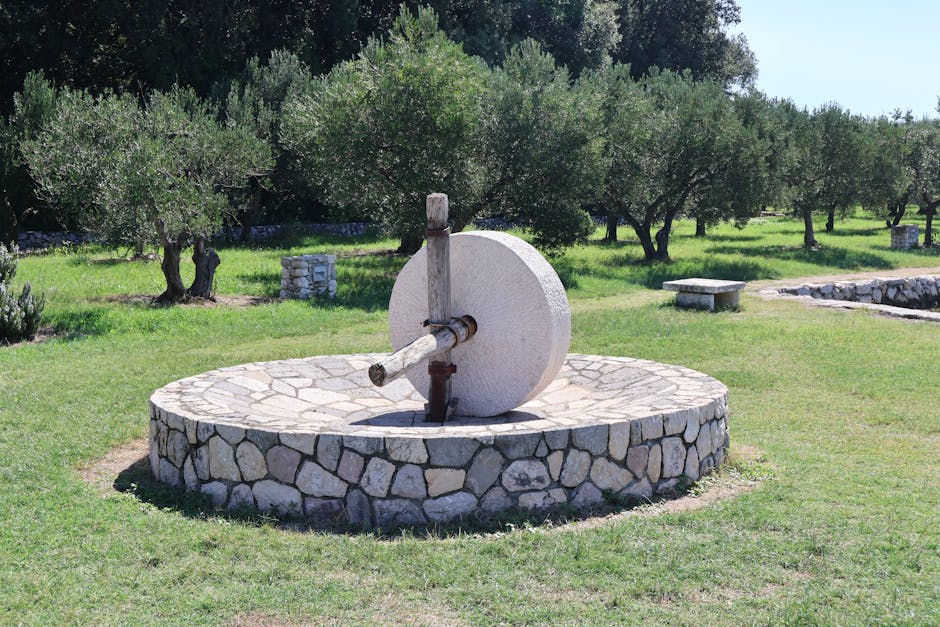
For an authentic immersion, plan a visit to Frantoio Azienda Agricola Masseria Vecchia (rural address: via Provinciale per Nardò, località Masseria Vecchia, 73040 Nardò, about 20 km from Lecce). Hours: visits by appointment, Monday–Saturday 09:00–12:30 and 15:00–18:00. Visit and tasting fees: between €10 and €20 per person, including a guided tasting of 3–5 oils and a small plate of local products. Practical tip: book ahead, especially during harvest season (October–November).
How to taste: method, vocabulary and common mistakes
Tasting olive oil follows a simple but precise method. Use a small blue or smoked glass (to hide the color and avoid visual bias), warm the glass slightly between your hands to release aromas, then smell. Look for notes of cut grass, green tomato, almond or artichoke. In the mouth, note the fruity attack, the bitterness (especially on the sides of the tongue) and the peppery persistence at the back of the throat.
Avoid two common mistakes: tasting on a full stomach or dunking salty bread that masks subtleties. Sip water between tastings to cleanse your palate. When speaking with a producer or seller in Lecce, use simple but precise terms: « fruity, » « bitter, » « pungent, » and ask for the data di raccolta (harvest date). A proud producer will happily talk about the harvest, the timing of pressing and the time between picking and milling—factors that heavily influence quality.
One final practical tip: try the oil on a plain, unsalted piece of bread, then on a raw tomato or a crostino with a drizzle of oil. That reveals how the oil enhances local ingredients. In Lecce, professional sellers may pair tastings with grilled vegetables, taralli, pecorino cheese and pane di Altamura to show each oil’s versatility.
Recommended addresses in Lecce — shops, workshops and visits (with practical details)
Here’s a handy selection of places in Lecce and nearby where you can buy and learn about Salento olive oil. I include addresses, typical opening times, approximate prices and local tips for each spot.
-
Mercato Coperto di Piazza Sant’Oronzo
Address: Piazza Sant’Oronzo, 73100 Lecce. Hours: Tue–Sat 08:00–13:00 and 16:00–20:00 (variable). Prices: free tastings, 500 ml bottles €8–€18. Tip: chat with the seller near the central stall — producers often sell their oils directly. -
Gustami – Salento Gourmet (delicatessen)
Address: Via Giuseppe Libertini, 12, 73100 Lecce. Hours: Mon–Sat 09:30–13:00 / 16:30–20:00. Prices: discovery packs €15–€30. Tip: ask for the « monovarietale » (single-variety) bottles to compare Ogliarola Leccese and Cellina di Nardò. -
Frantoio Azienda Agricola Masseria Vecchia (mill visit)
Address: Via Provinciale per Nardò, località Masseria Vecchia, 73040 Nardò (near Lecce). Hours: visits by appointment 09:00–12:30, 15:00–18:00. Visit/tasting fees: €10–€20. Tip: ask to see the press and try the « novello » (first-pressed) batch. -
Antica Drogheria del Centro Storico
Address: Via Vittorio Emanuele II, 48, 73100 Lecce (main shopping street). Hours: Mon–Sat 09:00–13:00 / 16:30–20:00. Prices: 250 ml bottles €6–€12. Tip: use the shop to pick up flavored condiments (lemon-infused oil, chili oil). -
Azienda Agricola Olio del Salento (small producer)
Address: Contrada San Paolo, 73010 Surbo, near Lecce. Hours: farm sales by appointment, Mon–Sat 09:00–17:00. Prices: 500 ml €12–€22, 3 L €30–€45. Tip: ask for a tour of the groves and advice on storing the oil at home. -
Shop Museo del Gusto – Lecce
Address: Piazza del Duomo, 73100 Lecce (near the Basilica di Santa Croce). Hours: daily 10:00–19:00. Prices: themed tastings €5–€15, gift boxes €25–€50. Tip: pair a Duomo visit with a tasting for a cultural and culinary day out.
Practical tips: transport, storage and taking oil home
Transport: if you buy oil in bottles, wrap them carefully to avoid leaks. Shops in Lecce often sell cardboard boxes or bubble wrap. For air travel, remember carry-on liquids are limited (100 ml per container). Choose 250 ml formats if you plan to carry oil in the cabin, or pack a metal tin (3 L) in checked baggage well protected and insulated.
Storage: olive oil should be kept away from light and heat. In Lecce, choose dark glass bottles or metal tins. Once opened, store the bottle in a cool cupboard away from the stove. A well-kept oil will retain its qualities for 6 to 12 months after opening; beyond that, watch for a rancid smell and loss of aroma.
How to read a label: look for the harvest date, bottling date, origin of the olives (e.g., olives harvested and pressed in Provincia di Lecce), the producer’s name (azienda agricola), and DOP/IGP marks. If the label says first cold pressing (prima spremitura a freddo), it means the oil was extracted at low temperature, preserving aromas and nutrients better.
Local buying tips: haggle politely at markets, but in fine shops prefer exchanging information over bargaining. Always ask if the oil is « novello » (young), a special cuvée or a blend. When possible, buy directly from a producer after a visit—you may pay a bit less and bring home a story.
Food pairings not to miss in Lecce: how to elevate Salento olive oil
Salento olive oil complements local cuisine with unmatched simplicity and depth. Use a fruity, gentle oil (Cellina di Nardò) for soft cheeses, grilled vegetables and salads. For dishes with bitter greens (like cicoria), opt for a more peppery, bitter oil (Ogliarola Leccese) to balance the flavors.
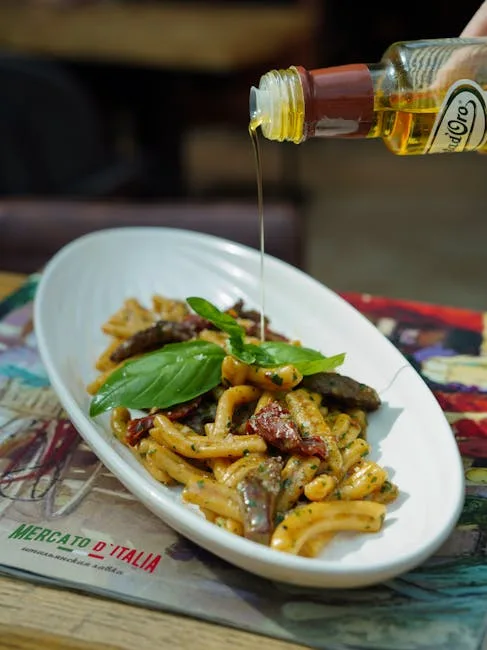
In Lecce, try these concrete pairings: a drizzle of extra virgin on friselle (dried bread soaked with tomato) brightens the freshness; on simple garlic-and-chili pasta (« spaghetti aglio, olio e peperoncino »), a peppery oil adds punch; on an octopus carpaccio, a mild fruity oil highlights the texture without overwhelming it. Restaurants around the Piazza del Duomo (Piazza Duomo, 73100 Lecce) often serve dishes that showcase local oil—ask your server which producer they use if you want to track it down.
If you plan to cook at home after your trip, here’s a simple rule: intense-flavored oils for raw or cold dishes, milder oils for gentle cooking. And remember: extra virgin olive oil is best enjoyed raw but loses some aroma at high heat. For quick frying, use a refined olive oil if needed, and save the extra virgin for finishing.
Conclusion — Choose with awareness and pleasure
Choosing Salento olive oil in Lecce isn’t just a transaction: it’s a cultural immersion. By following the steps above—understanding olive varieties, reading labels and dates, tasting methodically, visiting markets and frantoi, knowing trusted addresses and learning how to store oil—you’ll turn a simple purchase into a lasting memory. Lecce, with its golden light, Baroque lanes and the lively Piazza Sant’Oronzo market, provides the perfect setting for this sensory quest. Local producers, often proud of their craft, love to share their stories: family harvests, stainless-steel presses, hand-selection of olives and the desire to make authentic oil.
Beyond technical tips, remember the human element. A bottle bought after a guided tasting or a chat with the producer will carry more emotional weight than an impulse buy. In Lecce, take time to talk, ask for the harvest date (data di raccolta), observe the press if you can, and choose packaging that protects the oil. Don’t forget the practical side: pick sizes that suit your trip (250 ml for the cabin, 3 L tins for checked luggage) and pack purchases carefully.
Finally, use your Salento oil as a culinary passport. Share it with friends, tell the stories you heard, test pairings inspired by Lecce (friselle, seafood dishes, simple pasta). Whether you return to Lecce every year or keep just one bottle, Salento olive oil is a condensed piece of landscape and culture. Be curious, ask questions, taste—and above all, enjoy bringing a tangible piece of this sunny region home.