





Introduction — The Baroque charm of Lecce and its church trail
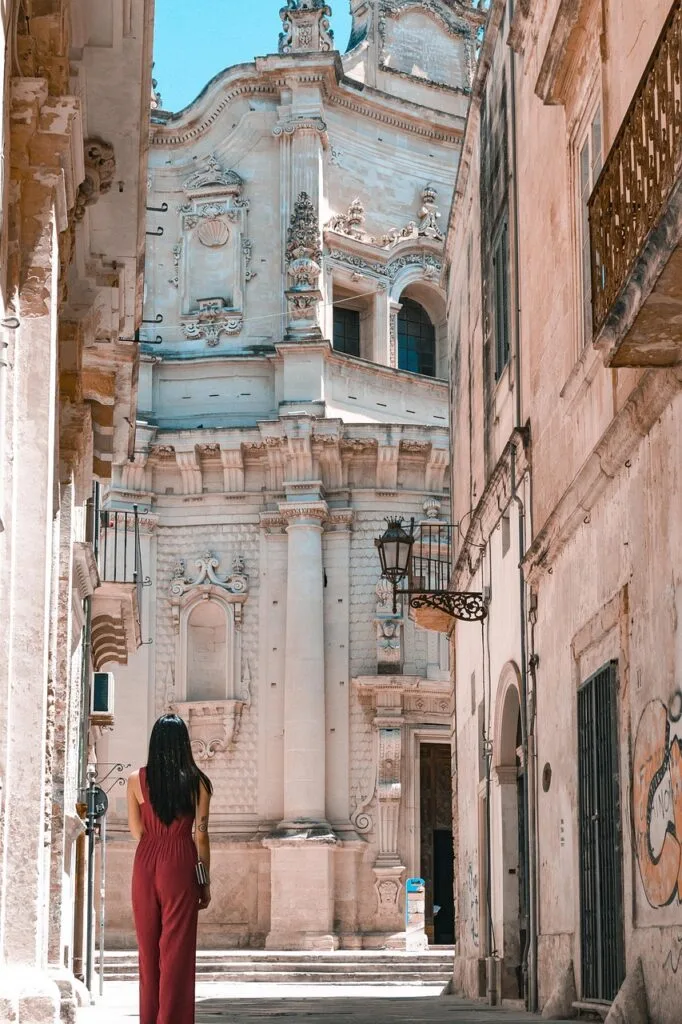
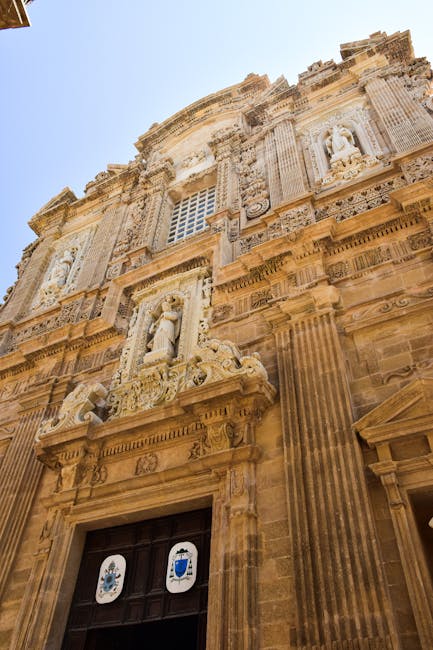
Lecce, often nicknamed the « Florence of the South, » unfurls a distinct, airy, and exuberant baroque carved from the local pietra leccese — a limestone that lends itself to astonishingly delicate sculpture. Wandering the alleys of the historic center feels like flipping through an open-air architecture book: animated façades with caryatids and cherubs, monumental portals, domes rising above rooftops, and quiet cloisters. Among these treasures, the baroque churches form the backbone of a spiritual and aesthetic route that’s essential for anyone wanting to grasp the city’s true soul.
This article lays out a detailed circuit of Lecce’s main baroque churches: how to spot them, exactly where they are, opening hours and admission details, and—most importantly—how to read their sculptural and liturgical subtleties. The sites we describe mix religious heritage, local stories, and conservation efforts. You’ll also find practical tips — best times to visit, photography advice, dress code, accessibility notes, and nearby food stops.
The circuit is more than a series of architectural visits. It’s a sensory immersion: morning’s golden light reveals bas-relief textures, while afternoon heat deepens shadows that make statues come alive. Lecce’s churches keep the memory of confraternities, noble families, and generations of craftsmen; each one tells a different chapter of the local baroque. Whether you’re an art-history buff, an amateur photographer, a traveler seeking calm, or a curious believer, this guide will help you plan a full day—or several half-days—to explore the best of Lecce’s ecclesiastical baroque.
Before diving into each building, keep a few practical rules in mind: respect Mass times, carry small change for donations or museum entries, wear comfortable shoes for cobbles and stairs, and favor mornings for photos and afternoons for cooler, often quieter interiors. Now, let’s head for carved doors, polychrome vaults, and soaring bell towers: here is your complete circuit of Lecce’s baroque churches.
Basilica di Santa Croce — Piazza Santa Croce, 1, 73100 Lecce LE
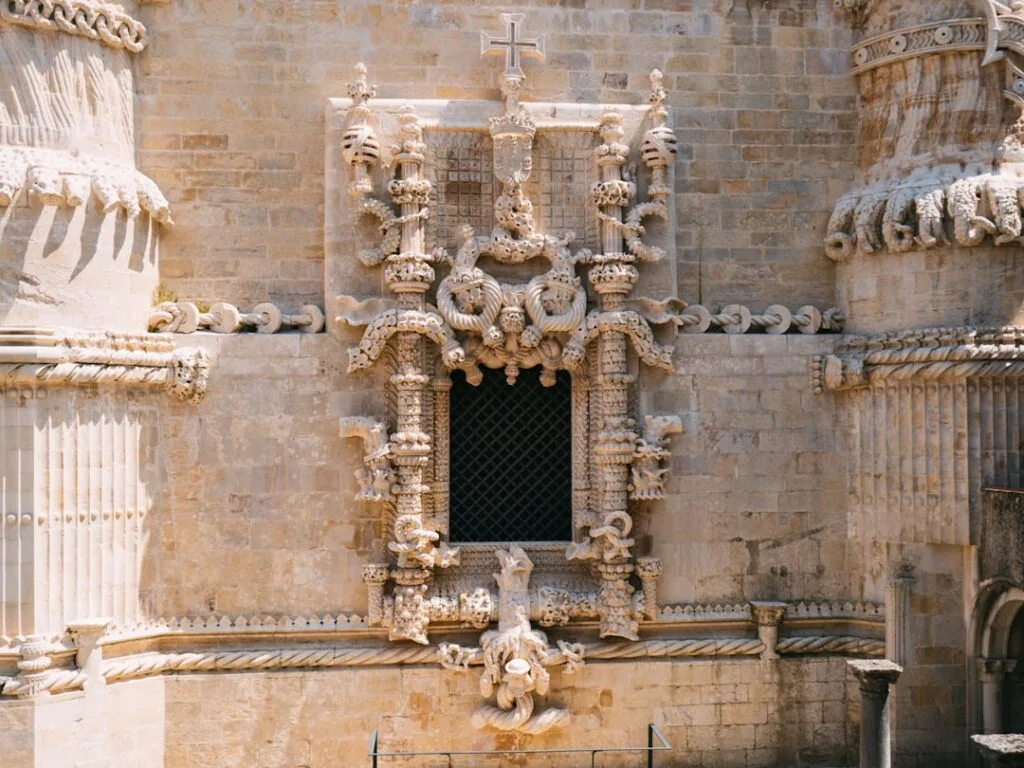
The Basilica di Santa Croce is the unquestioned symbol of Lecce’s baroque: standing on Piazza Santa Croce (Piazza Santa Croce, 1, 73100 Lecce LE), its exuberant façade is a sculptural masterpiece where angels, grotesques, rosettes, and fantastic animals intertwine in the pale stone. Built between the 16th and 18th centuries, the basilica preserves a remarkable decorated vault and a richly worked choir inside. The ensemble is the result of collaboration between architects and local master stonecutters who turned pietra leccese into a mineral lace.
Address: Piazza Santa Croce, 1, 73100 Lecce LE, Italy.
Opening hours: generally open daily from 09:00 to 19:00; times may vary during Mass (check onsite notices).
Admission: free entry to the church; suggested donation €1–3. Guided visits to the basilica and sacristy are sometimes organized by the tourist office: around €5–7.
Immersive visit: approach the façade slowly to pick out the details — to the left, notice vegetal motifs; at the center, a large portal framed by statues; at the top, a carved rose. Inside, your eye is drawn to the ornate high altar, the side chapels decorated with stucco, and the light filtered through windows. Take time to read funerary inscriptions and study the polychromy of the stuccoes: these provide clues about Lecce’s patron families.
Practical tips: best time for photos — early morning when the façade is lit from the side. Interior photography — use a high ISO and a lightweight tripod if allowed. Accessibility — the main entrance has steps; level access may be available via a side door, ask onsite. Dress — shoulders and knees covered are recommended out of respect for the place of worship.
Cattedrale di Maria Santissima Assunta (Duomo di Lecce) — Piazza del Duomo, 1, 73100 Lecce LE
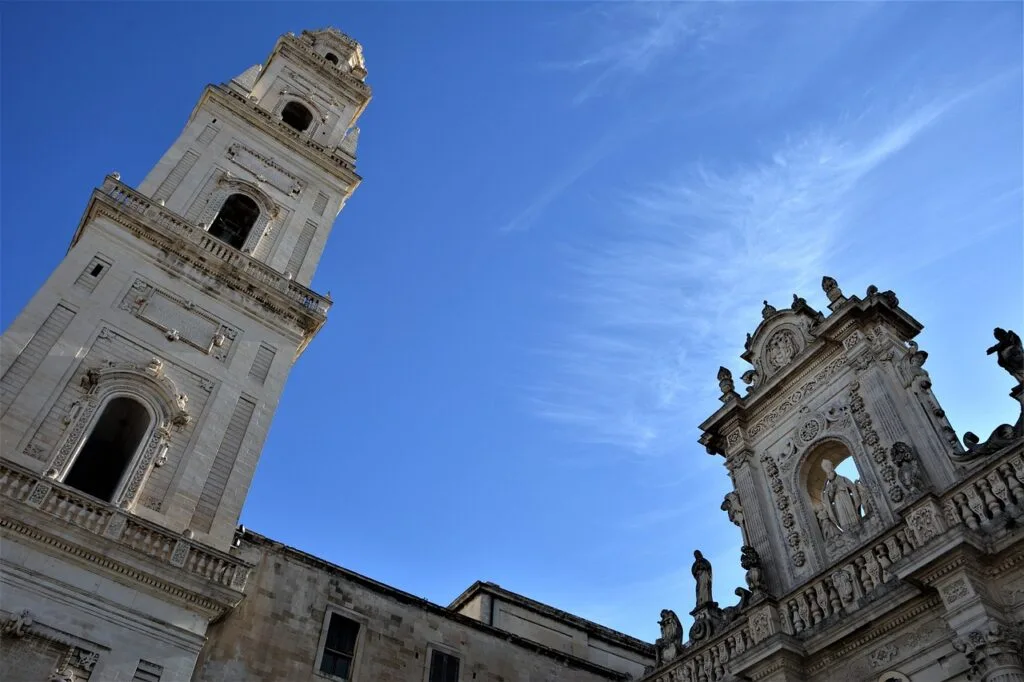
Lecce’s cathedral, dedicated to Maria Santissima Assunta, occupies the stately Piazza del Duomo (Piazza del Duomo, 1, 73100 Lecce LE). The complex includes the cathedral itself, the bell tower, the bishop’s palace, and the diocesan museum. The 18th-century façade is relatively restrained compared with Santa Croce, but the interior reveals a richly baroque world: painted vaults, side altars, finely worked stucco, and chapels adorned with frescoes and altarpieces.
Address: Piazza del Duomo, 1, 73100 Lecce LE, Italy.
Opening hours: typically 08:00–12:00 and 16:00–20:00; may be closed during religious services.
Admission: entry to the cathedral is free; the Museo Diocesano di Lecce (Diocesan Museum), located nearby, charges about €3–6 (reduced rates for students and seniors).
Immersive visit: start from the square to admire how the buildings compose together, each answering the other. Enter through the narthex and let your gaze follow the nave to the choir, where sculptural and ornamental ensembles unfold. The bell tower, about 70 meters high, opens for occasional climbs (check openings; guided ascent often costs around €6–10) and offers a stunning view over Lecce’s rooftops.
Practical tips: pair your Duomo visit with the Museo Diocesano (Piazza del Duomo, 12) to better understand liturgical furnishings and sacred treasures. Arrive outside Mass times (mornings and late afternoons on some days) to avoid crowds. If you plan to photograph the interior, obey church rules (flash is sometimes forbidden). Enjoy a coffee break on Piazza del Duomo — several cafés and gelaterias line the square.
Chiesa di Santa Chiara and the Cloister — Piazza Santa Chiara, 73100 Lecce LE
The Chiesa di Santa Chiara is a striking example of baroque simplicity paired with very peaceful cloistered spaces. Located on Piazza Santa Chiara (Piazza Santa Chiara, 73100 Lecce LE), the church is part of a convent complex that includes a cloister (Chiostro di Santa Chiara) which is often less crowded than the grand basilicas, offering a moment of quiet and contemplation away from the crowds.
Address: Piazza Santa Chiara, 73100 Lecce LE, Italy.
Opening hours: church generally open 09:00–12:30 and 16:30–19:00; the cloister is accessible during cultural events and guided tours (hours vary).
Admission: entry to the church free; guided visits to the cloister and the convent museum are sometimes offered: €3–5.
Immersive visit: push through the quiet door to find a nave decorated with stucco and dim lighting that highlights the more restrained chapels. The cloister, with its arcades and plantings, is an ideal setting to understand convent life and how baroque contrasts public display with monastic inwardness. Cloister walls may show faded frescoes full of history, and ancient paving stones tell the story of centuries of foot traffic.
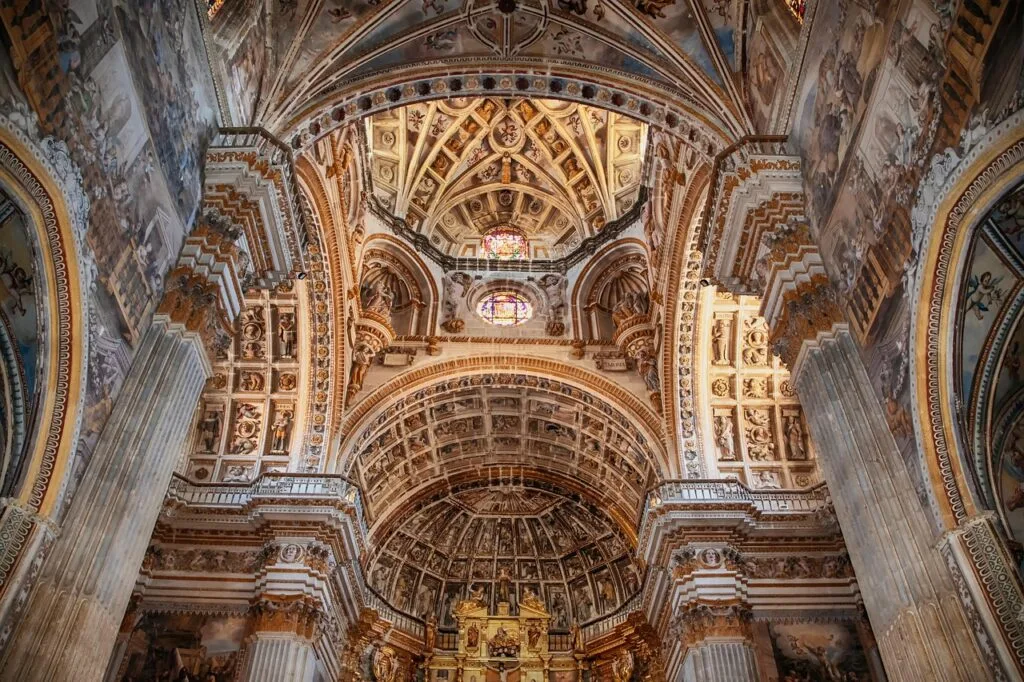
Practical tips: the cloister makes an excellent rest stop after visiting the main squares: sit in the inner courtyard to feel the change in atmosphere. If you visit in summer, prefer late afternoon when shade cools the cloister. Public restrooms are rarely inside; be prepared to look for facilities in nearby alleys. Respect the quiet, especially during services or prayer times.
Chiesa di San Matteo and the Oratory of the Rosary — Via G. Libertini and Piazza S. Matteo
The neighborhood around Via Giuseppe Libertini and Piazza San Matteo hides several small churches and oratories that, while less monumental, offer valuable examples of local baroque: the Chiesa di San Matteo (around Piazza San Matteo) and the Oratorio del Rosario, with their richly decorated altars, altarpieces, and stuccoes. These intimate spaces let you study the meticulous sculptural details and popular devotion that animated the city.
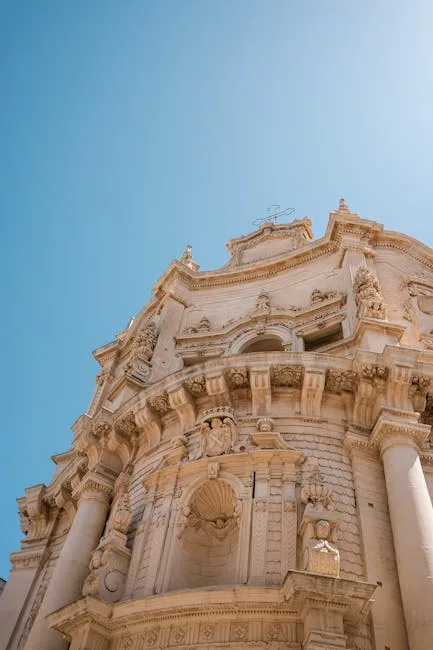
Approximate addresses and practical info:
– Chiesa di San Matteo — Via G. Libertini / Piazza San Matteo, 73100 Lecce LE.
– Oratorio del Rosario — located within the same historic area, often marked by municipal plaques.
Opening hours: highly variable depending on the small parish — generally open mornings 09:00–12:00, and late afternoon 17:00–19:30; check locally.
Admission: usually free entry; a donation of €1–2 is appreciated for maintenance.
Immersive visit: these small churches invite close attention: move near the altarpieces, look at the gilding, the small votive paintings and ex-votos that testify to popular faith. The Oratorio del Rosario might feature a painted ceiling or a series of narrative panels illustrating the mysteries of the rosary — perfect for anyone who loves visual storytelling.
Practical tips: these sites are not always shown on major tourist maps; ask at the tourist information office (IAT Lecce, Piazza Sant’Oronzo) for exact times and guided tours. Pay attention to local Mass schedules — services may limit access at certain times. If short on time, prioritize morning visits for these spots, as they often close earlier than the larger basilicas.
Practical tips for a successful circuit and expected behavior
Planning your Lecce baroque church circuit takes a little organization: start early (8:30–9:00) to enjoy soft light and avoid summer heat, and reserve afternoons for interiors and the diocesan museum. Carry a map (paper or an offline app) showing Piazza del Duomo, Piazza Santa Croce, Piazza Sant’Oronzo, and the main pedestrian streets—the historic center is easily walkable.
Transport and access: the historic center is largely pedestrian. Lecce train station (Piazza G. Moro, 73100 Lecce) is about a 10–15 minute walk from the center. Taxis are available but often used for longer trips or late-night returns. Parking: prefer a peripheral lot (e.g. Parcheggio Porta Napoli) and enter the old town on foot.
Dress and etiquette: respect places of worship — cover shoulders and knees, behave quietly, avoid loud voices. Photos are generally allowed without flash, but always check posted rules. For guided tours and museums, have cash for small entries and bank cards for larger tickets.
Safety and comfort: bring a reusable water bottle (drinking fountains are available in the center), wear sturdy shoes for cobbles and a hat in summer. If you travel in the low season (November–March), check reduced opening hours for churches and museums; in high season (June–August), expect more visitors.
Conclusion — Beyond façades, a living baroque experience
Lecce’s baroque church circuit is more than a checklist of monuments: it’s an immersion in a city where stone tells lives, where sacred art converses with daily life, and where every carved portal opens onto a human story. From the flamboyant Basilica di Santa Croce to the solemn Cattedrale di Maria Santissima Assunta, and through Santa Chiara’s contemplative cloisters and the popular oratories, each stop reveals a different shade of Lecce’s baroque.
Practice slowness: these churches reward visitors who take the time to study details — a craftsman’s signature, a Latin inscription, a gilding worn by time. Combine guided tours with independent exploration to balance historical context and personal discoveries. Also taste the city outside the sacred spaces: a coffee on Piazza del Duomo, a gelato in a shaded lane, and you’ll see how the sensory experience complements the architectural one.
Finally, keep in mind that hours and prices can change. For the most reliable information, consult the Lecce Tourist Office (IAT) or the notices at church entrances; they often list seasonal variations and special events (exhibitions, solemn masses, organ concerts). By respecting the sites and planning your route, you’ll enjoy a rich, intimate, and lasting journey into Lecce’s baroque heart. Enjoy your visit — and let the stone that seems to sing under the Salento sun surprise you.