




Introduction: The Lecce Film Festival — where film grain meets baroque stone
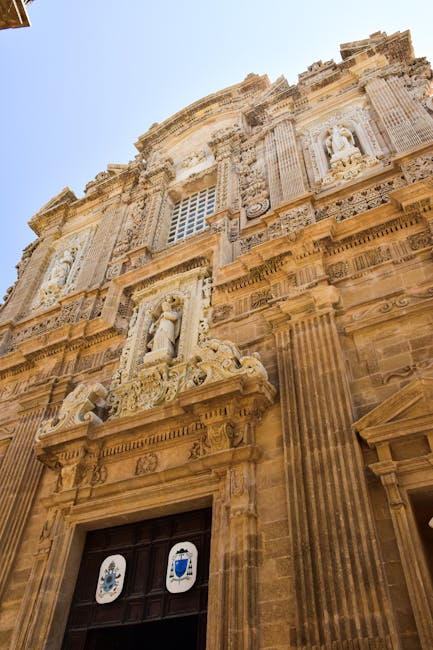
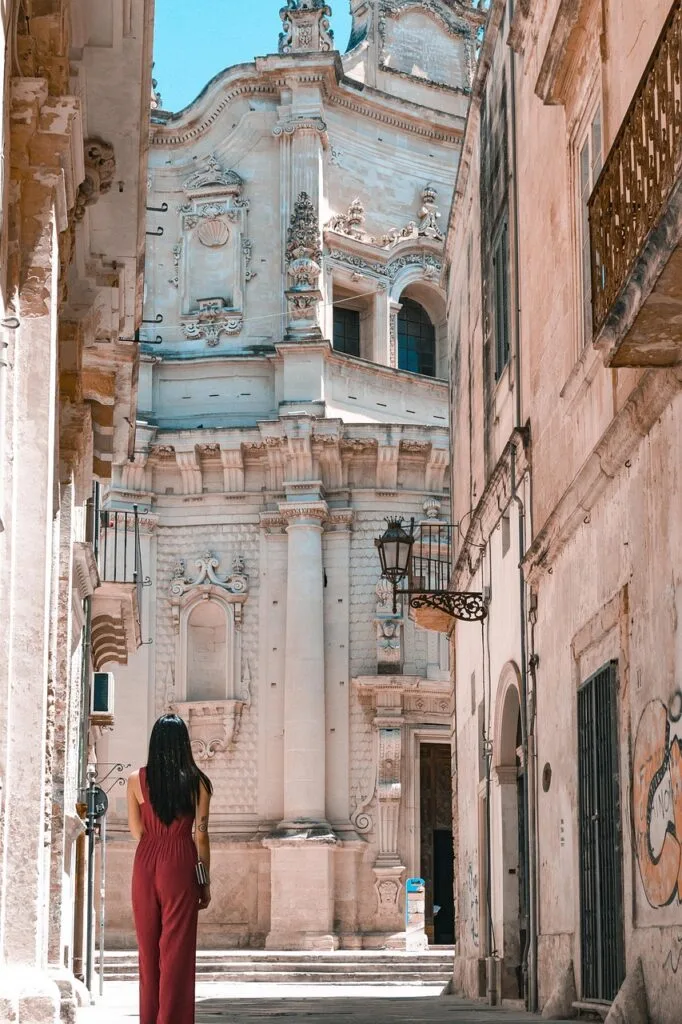
Lecce, the « Florence of the South, » is a city where baroque architecture tells a story around every corner. During the weeks of the Film Festival, its palaces, squares and limestone walls come alive even more: courtyard screens, open-air screenings beneath antique streetlamps, and debates echoing on church steps. The Lecce Film Festival is not just a lineup of screenings; it’s a sensory dive into a town where architectural heritage converses with contemporary images, where the texture of film resonates with the texture of stone. Visitors come not only for premieres and retrospectives but to experience iconic locations turned into screens and stages, to feel the local community gathered around a projector, and to discover films that speak to the South — to its stories and its landscapes.
Each edition mixes Italian and international films, bold shorts, committed documentaries, and tributes to cult filmmakers. Screenings take place in emblematic settings: Piazza Sant’Oronzo, the Basilica di Santa Croce, Castello Carlo V, and the Teatro Politeama Greco are all stages that lend a unique atmosphere to viewing. Directors and actors stroll the lanes, lead masterclasses, and take part in encounters where you can go beyond the screen, ask questions, and understand artistic choices. For the audience, that means not only watching films but getting close to the creative process.
Practically speaking, the festival charms with a variety of events: free open-air screenings, ticketed sessions in historic venues, theme workshops and cinema trails through the historic center. Visitors can plan their stay combining cultural visits and late-night screenings, linger on terraces to chat after shows, and savor Salento cuisine between films. Beyond the festive vibe, the Lecce Film Festival carries cultural weight: it showcases southern narratives, supports young independent cinema, and builds bridges between the town and national and international film networks.
In this article I offer a complete, immersive guide to the Lecce Film Festival: an overview of the iconic sites turned into screening venues, a rundown of the typical programming, practical information (addresses, hours, prices), and local tips to make the most of the experience. Whether you’re a devoted cinephile, a curious traveler, or just passing through, this guide will help you navigate the magic of a festival where celluloid mingles with the centuries-old stones of Salento.
The iconic venues: where to watch films in the historic center
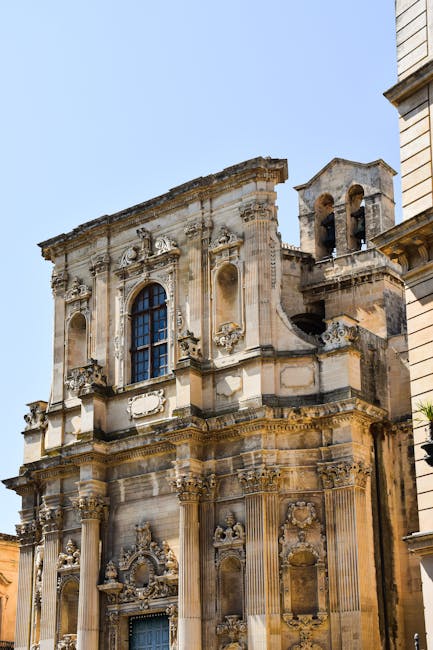
The charm of the Lecce Film Festival owes much to its settings: heritage spaces become temporary cinema halls, and the contrast between projected images and baroque architecture creates a special dramaturgy. Here’s a detailed tour of the most emblematic venues, with addresses and practical information.
Piazza Sant’Oronzo — Piazza Sant’Oronzo, 73100 Lecce LE. This square, the living heart of Lecce, regularly hosts open-air screenings. Open to visitors 24/7, festival sessions take place in the evenings, usually from 9:00 PM until midnight or later depending on the schedule. Open-air screenings are often free or priced symbolically (typically €0–€5). Practical tip: arrive 30 to 45 minutes early to secure a seat and enjoy the street food stalls nearby. Natural terraces and café balconies offer fantastic views of the screen and Sant’Oronzo’s column.
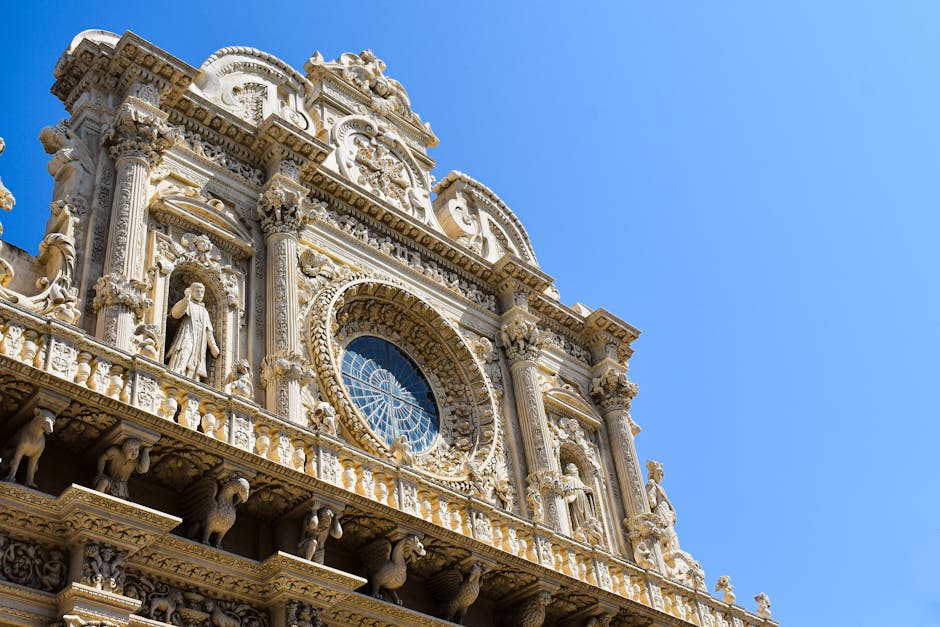
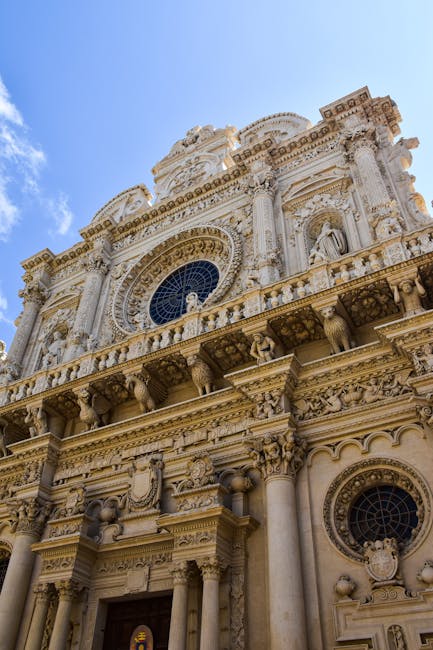
Basilica di Santa Croce — Piazza Santa Croce, 73100 Lecce LE. The basilica’s sculpted façade provides an exceptional backdrop for themed screenings or cinema-concerts. The church is usually open from 9:00 AM to 7:00 PM (hours vary by season; check locally). Festival events held here are often scheduled in the evening, with tickets typically priced between €8 and €15 depending on the attraction and access. Tip: enjoy the golden light of dusk on the façade before the screening for memorable photos.
Castello Carlo V (Castello di Lecce) — Piazza Castello, 73100 Lecce LE. This Renaissance castle hosts screenings, talks and video installations in its interior rooms and courtyard. The castle is generally open from 9:30 AM to 7:00 PM for exhibitions; during the festival, cultural programming may extend into the evening. Regular entry to the castle: about €6 for permanent exhibitions; during the festival, events range from €5 to €20 depending on format (special screening or masterclass). Practical tip: check whether a guided tour is offered during the day — it will enrich your understanding of the cinema evenings that follow.
Teatro Politeama Greco — Piazza Libertini, 73100 Lecce LE. The Politeama is one of Lecce’s historic theatres, used for more formal sessions, premieres and indoor discussions. Shows and screenings usually take place between 6:00 PM and 11:00 PM. Ticket prices: €10–€20 on average, with student and senior discounts (often around 20% off). Tip: book in advance for opening nights and screenings with special guests.
Small venues and cine-clubs — beyond the main sites, more modest venues like independent cinemas and municipal halls host parallel programs. For example, small rooms around Via Libertini and nearby streets (addresses vary by edition) offer daytime screenings — typical hours 10:00 AM–1:00 PM and 4:00 PM–8:00 PM — with tickets around €5–€12. Tip: check the festival brochure to spot short film sessions and roundtables in these intimate spaces.
Programming and films: what to expect — selections, tributes and discoveries
The Lecce Film Festival’s lineup is eclectic: auteur hits, social documentaries, experimental shorts and tributes to filmmakers. Each edition usually features several sections: national and international competitions, an Italian panorama, a Mediterranean documentary focus, retrospectives and youth programming. Here’s how a typical edition is structured and what you can expect artistically.
1) Official competition — The competition brings together a selection of feature and short films either premiering in Italy or chosen from other international festivals. Competition screenings often take place in indoor venues (Teatro Politeama Greco or Castello Carlo V) to guarantee sound and image quality. Prices: €10–€18 per screening; festival passes (access to multiple competition screenings): between €40 and €120 depending on the package (day, weekend, full week).
2) Italian panorama and emerging talents — A section dedicated to up-and-coming directors from Puglia and southern Italy. These screenings often include discussions and meetings with directors, scheduled during the day and early evening to encourage exchange. Tickets are often reduced (€5–€8), and some school or student sessions are free. Tip: if you’re curious about new Italian cinema, don’t miss these screenings and the « Cinema del Sud » roundtable.
3) Documentaries and engaged cinema — The festival regularly highlights social and environmental documentaries, with open-air screenings followed by discussions with NGOs and film crews. Entry prices vary, with many sessions free to encourage public access. Practical tip: bring a small torch and a cushion for outdoor screenings if you plan to stay a while.
4) Retrospectives and tributes — Each year one or more filmmakers or movements (for example Italian neorealism or European experimental cinema) are celebrated. These cycles often take place at the Teatro Politeama Greco and in smaller venues and include paid masterclasses (€15–€40) and free open-air screenings of major works. Tip: reserve masterclasses early if places are limited.
5) Special events — Local premieres, cinema-concerts and screenings in collaboration with international festivals. These nights can be ticketed and prices may rise to €25 for marquee events with well-known guests. Tip: follow the festival’s official social channels for last-minute announcements and VIP ticket releases.
Practical info and local tips: tickets, transport, food and lodging
Joining the Lecce Film Festival takes a bit of planning to fully enjoy the cultural and urban experience. Here’s a practical guide with addresses, typical hours, indicative prices, and local tips to optimize your festival stay.
Tickets and passes — The main box office is often located near Piazza Sant’Oronzo (exact location varies by edition; look for the official « Biglietteria Festival del Cinema – Piazza Sant’Oronzo » stands). Ticket offices are usually open from 10:00 AM to 1:00 PM and from 5:00 PM to 10:00 PM during the festival. Typical prices: single screening €5–€18; day pass €20–€35; full festival pass €60–€150 depending on perks (discounts, masterclass access, invitations). Tip: buy popular screenings online in advance to avoid queues, and take advantage of student and senior discounts (often around 20% off).
Local transport — Lecce is best discovered on foot: the historic center is compact and most festival sites are walkable from the train station. If you arrive by car, public parking like Parking Centro Storico (Via XXV Luglio area) exists but spaces are limited; expect €1.50–€2.00 / hour in paid zones. City buses (STP Lecce) serve the outskirts: single tickets around €1.50 purchased at tobacconists or via an app. Tip: favor walking between venues to enjoy the illuminated lanes and baroque façades at night.
Food and breaks between screenings — Around Piazza Sant’Oronzo and Piazza Duomo you’ll find bars and trattorie that stay open late during the festival. Recommended spots: Trattoria Nonna Tetti (Via Umberto I, 18 — typical hours 12:00–3:00 PM and 7:00–11:00 PM, main courses €10–€18), Osteria degli Spiriti (Piazza Sant’Oronzo — hours vary, pizzas €7–€12). Local tip: try Salento specialties — orecchiette with broccoli rabe, rustico leccese (savory filled pastry), and local wines like Negroamaro. For quick snacks, look for panzerotti and pasticciotti kiosks.
Accommodation — To stay close to screening venues, choose accommodation in the historic center (B&Bs and small hotels). Indicative rates: double room in a B&B €60–€120 / night depending on season; 3-star hotels €90–€150 / night. Book early during the festival period — rooms fill up quickly. Tip: look for a place near Piazza Duomo or Via Libertini for easy access to evening events.
Safety and comfort — Even in summer, evening screenings can be cool — bring a light jacket and a scarf. For open-air sessions, bring a folding seat or cushion and a torch to find your way through the lanes. Finally, respect local rules about nighttime noise and restricted traffic zones (ZTL): some historic center streets are closed to vehicles at night to protect the heritage.
Recommended experiences and itineraries to live the festival like a local
To get the most out of the Lecce Film Festival, here are three routes and experiences that combine screenings, visits to iconic sites, gastronomy and local encounters. These itineraries suit different paces: cultural discovery, cinephile immersion and relaxed gourmet breaks.
Itinerary 1 – Cultural discovery (slow day): Morning at the Museo Faggiano (Via Ascanio Grandi, 2, 73100 Lecce LE — typical hours 9:00 AM–1:00 PM and 4:00 PM–7:00 PM) to understand the city’s domestic archaeology. Then stroll to the Basilica di Santa Croce (Piazza Santa Croce) to admire the façade and have lunch at a neighborhood osteria. Afternoon rest, then an open-air screening at Piazza Sant’Oronzo at 9:00 PM. Combined costs: Museo Faggiano entry ~€6–€10; dinner €15–€30; screening free or around €5. Tip: buy museum tickets in advance if possible and carry change for street stalls at night.
Itinerary 2 – Cinephile immersion (active day): Morning masterclass or panel at Teatro Politeama Greco (reservation required; masterclass fees €15–€40). Afternoon dedicated to a short film program at an independent cinema (session €5–€8), followed by a special night screening at Castello Carlo V. Evening: festival networking cocktail at a partner bar (entry often included with some passes). Tip: bring a notebook for masterclass notes and use Q&A time to ask your questions.
Itinerary 3 – Gourmet relaxation between screenings: Morning wandering through the local market (Mercato Coperto di Lecce — hours 7:00 AM–1:00 PM), pick up local ingredients for a picnic, then an afternoon documentary screening. Evening: late dinner with a tasting of Salento wines and an open-air screening. Approximate budget: market €10–€20 for a picnic, documentary €5–€10, dinner €20–€40. Tip: ask local vendors for wine and cheese recommendations — they love sharing tips.
Whatever your itinerary, stay flexible: the festival often surprises with unannounced screenings, off-program encounters and pop-up installations. Keep an eye on official announcements (festival website, social accounts) and enjoy the warm welcome of the people of Lecce — their curiosity and festive spirit make every edition memorable.
Final tips for a great experience
- Book early: accommodation and popular sessions sell out fast.
- Dress in layers: open spaces and inner courtyards can get chilly.
- Walk where you can: the historic center is compact and photogenic.
- Learn a few Italian phrases: greetings and thanks are always appreciated.
- Respect the heritage: don’t leave litter and observe protected zones.
Conclusion: Why the Lecce Film Festival is worth the trip
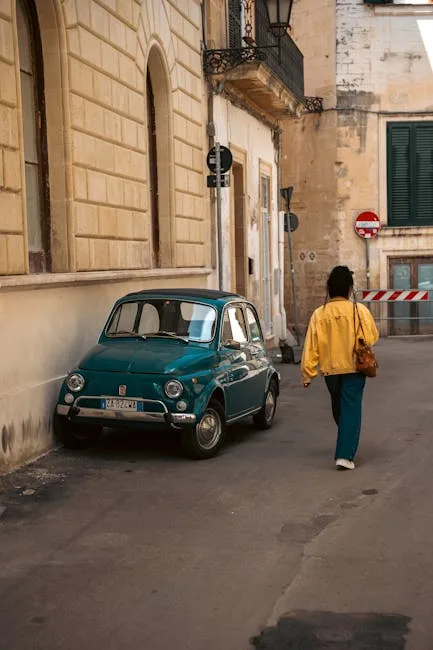
The Lecce Film Festival is more than a sequence of screenings: it’s a multisensory experience that marries baroque heritage with the storytelling power of cinema. Among lively squares, sculpted façades and historic courtyards, each film is recontextualized and gains fresh resonance. Whether you come for a premiere, a masterclass, or simply for convivial open-air nights, Lecce offers an incomparable setting to rediscover cinema.
Beyond aesthetics, the festival plays a key cultural role: it spotlights new voices, fosters exchange between professionals and the public, and allows the local community to engage with contemporary issues told through film. Screenings in places like Piazza Sant’Oronzo, the Basilica di Santa Croce, Castello Carlo V and Teatro Politeama Greco create a unique spatial dramaturgy — the city becomes co-author of the films shown. Prices remain accessible, with many free or reduced-cost sessions, encouraging both local and tourist participation.
Practically speaking, a bit of planning will help you make the most of it: book tickets and accommodation, check box office hours (usually 10:00 AM–1:00 PM and 5:00 PM–10:00 PM during the festival), and plan walking routes to explore the historic center between sessions. Don’t forget to include tasty breaks — Salento cuisine is one of the highlights of your stay — and leave time to simply wander and capture the dusk light.
Finally, come curious. The Lecce Film Festival is an invitation to connect: chat after screenings, take part in discussions, and let yourself be surprised by a short film you hadn’t planned to see. You’ll leave not only with memories of striking films but with the impression of a city that, for the span of a festival, feels even more lively, welcoming and creative. Lecce, with its sunlit baroque and sensitive lanes, is waiting to write the next chapter of its cinematic story with you.