





Introduction — Why a baroque photo walk in Lecce?
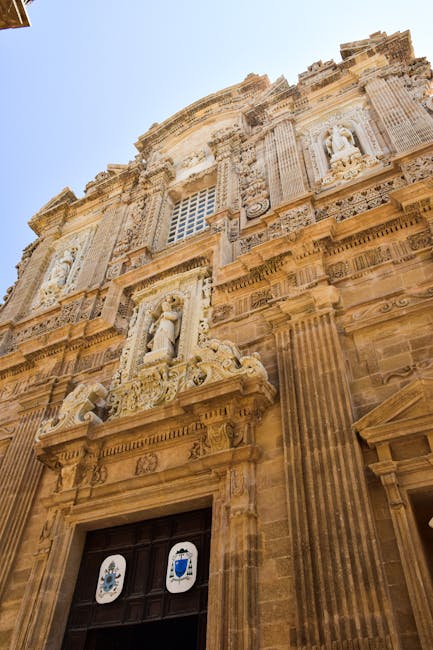
Lecce, often nicknamed the « Florence of the South » or the « Baroque capital », is a city best discovered with your eyes first. Located in the province of Lecce in the Salento (Apulia region, Italy), it offers an exceptional concentration of Baroque architecture carved from the local « pietra leccese », an ochre limestone that catches the light and renders rich, warm textures at any hour. For photographers, amateur or pro, Lecce is a playground: exuberant façades, carved doorways, ornate balconies, narrow lanes and sunlit squares make for a cohesive yet varied portfolio.
This baroque photo route is designed to optimize light, framing and immersion in local life. It’s not just about visiting famous landmarks — Basilica di Santa Croce, Cattedrale di Maria Santissima Assunta, Piazza Sant’Oronzo or Castello di Carlo V — but about capturing carved details, shadow-and-light plays on pietra leccese, café reflections and the locals who animate the scenes. Quick plan: favor morning for east-facing façades, sunset for central squares, and night for lighting that sculpts reliefs.
The city lends itself to both architectural and street photography: stoneworkers shaping the rock, espresso machines in the piazzas, and small trattorie serving pasticciotto and caffè. This guide includes exact addresses, typical opening hours, entrance fees, lens recommendations and practical tips (best times, positioning, suggested gear and local rules). It’s designed for a walking route, doable over a long weekend or several half-days. To get the best shots, charge batteries and cards, bring a small tripod for twilight scenes and respect places of worship (some churches limit photography).
Finally, remember that in Italy hours can vary by season (siesta in summer) and local holidays. The information in this guide is indicative; check opening times ahead on official sites or with tourist offices. Ready to lace up comfy shoes and let your eyes dictate the framing? Follow the route below, step by step, to capture Lecce’s baroque spirit.
 Click here to book a photographic tour of Lecce
Basilica di Santa Croce — The carved jewel of pietra leccese
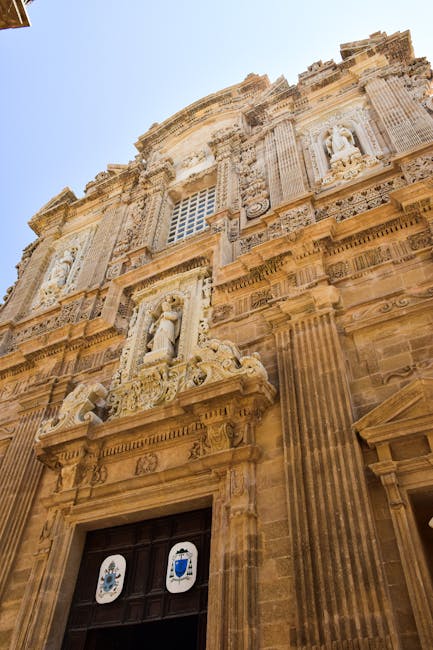
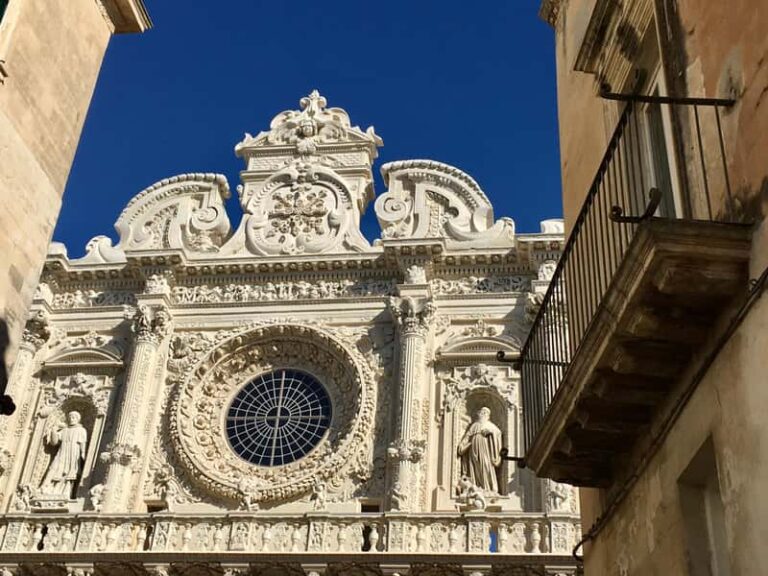
The Basilica di Santa Croce is often the first must-see stop on a baroque route in Lecce. Address: Piazza Santa Croce, 73100 Lecce LE, Italy. This Baroque façade, a masterpiece of the 17th and 18th centuries, is a festival of motifs: angels, masks, flowers, grotesques and decorated capitals. The contrast between lavish ornamentation and the warm hue of pietra leccese makes it an outstanding photographic subject, especially at sunrise when side light emphasizes every relief.
Opening hours (indicative): daily 9:00–12:30 and 15:30–19:00; may close for religious services. Price: free to admire the façade; interior access is usually free but donations are welcome for maintenance. For detailed shots use a 24–70mm for wide framing and a 70–200mm to isolate sculptures. In low light, a compact tripod and a moderate ISO (400–800) will suffice if you stabilize the camera.
Composition tip: stand slightly left or right of the main façade to use diagonal perspective and avoid a flat symmetry. For sculpted details, approach the left side of the basilica where less-photographed reliefs reveal a rich patina. Respect quiet zones and avoid tripods during mass if access is restricted.
Click here to discover Lecce’s baroque secrets
Piazza del Duomo and Cattedrale di Maria Santissima Assunta — Light and calm in the city heart
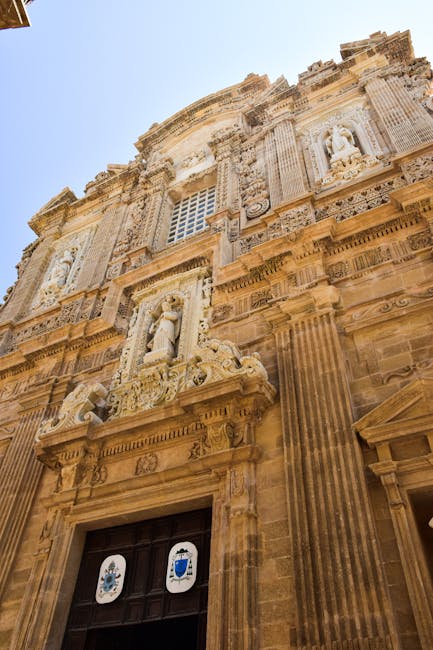
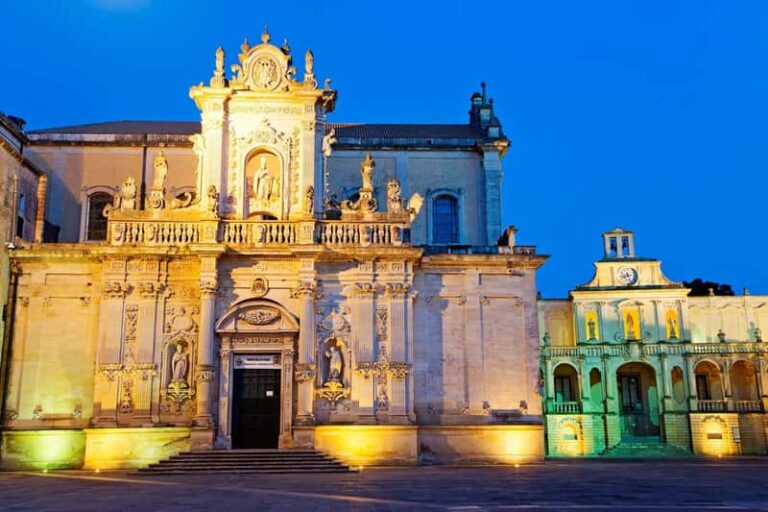
Piazza del Duomo is a Baroque setting where Lecce’s Duomo (Cattedrale di Maria Santissima Assunta) stands in splendour. Address: Piazza del Duomo, 1, 73100 Lecce LE, Italy. This square, less crowded than Piazza Sant’Oronzo, offers a calm ideal for architectural and detail photography. The Duomo, with its tall bell tower, sculpted portals and richly decorated chapel, is perfect for series of images ranging from wide-angle to telephoto.
Opening hours (indicative): the cathedral is generally open 8:00–12:30 and 16:00–19:30; the bell tower may open to visitors outside mass times for a small contribution (often 3–5 €). Price: cathedral entry often free; bell tower or nearby museum areas may be ticketed – expect 3–6 € depending on temporary exhibitions. The campanile offers a high viewpoint over Lecce’s roofs, ideal for capturing the baroque cityscape at sunset.
Photo tips: choose a wide-angle lens (16–35mm) to capture the whole square, and consider a polarizing filter in the morning to slightly deepen the sky and reduce reflections on the stone. The blue hour after sunset is perfect for silhouettes of the bell tower against a deep sky, with urban lighting sculpting the buildings.
Click here to book a walking tour of Lecce
Book a photo tour in Lecce
The smell of hot coffee mixes with the warmed pietra leccese, and the carved angels’ shadows seem to change by the hour. Take a guided tour to capture those tangible moments — the light, the textures and the stories that bring every façade to life.
1. Private walking tour
Private tour with skip‑the‑line access to main monuments — perfect for composing series without crowds and saving time at key spots (Santa Croce, Duomo, amphitheatre). French‑speaking guide available.
- ⏱️ Duration : 2 hours
- 🚩 Meeting point : Under the big arch
- 🎟️ Includes : Skip‑the‑line entrance tickets
- 🗣️ Languages : Italian, French, English
2. Offbeat Lecce — alleys & secrets
A short route focused on details and anecdotes: balconies, keystones or artisan shops revealed through local stories — ideal for those seeking original frames away from the usual flows.
- ⏱️ Duration : 1.5 hours
- 🚩 Meeting point : Saint‑Oronzo column
- 📍 Route : Hidden alleys of the centre
- 🗣️ Languages : English, Spanish
3. Specialized photo workshop
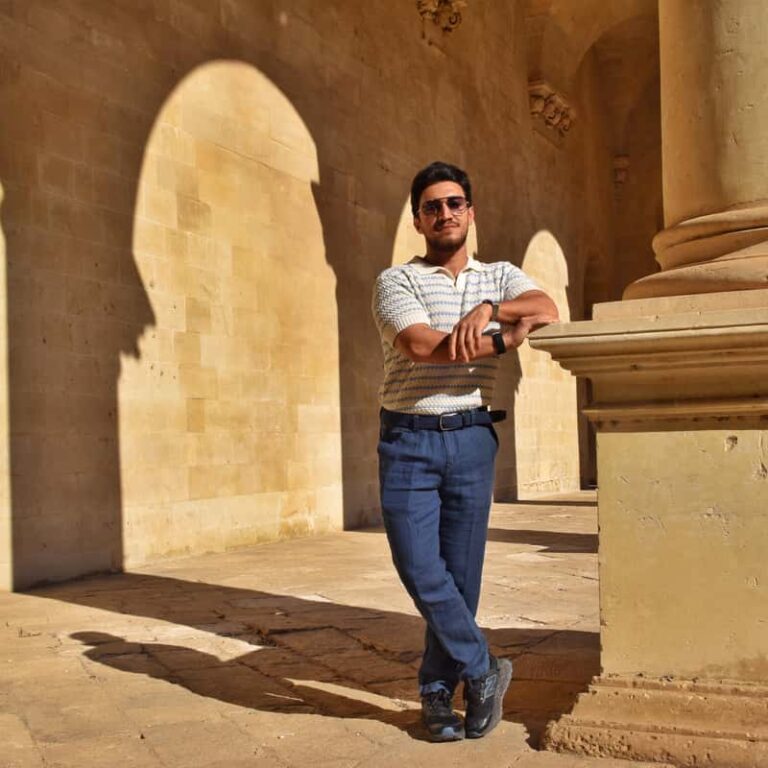
Personalized photo coaching: light tips, posing for portraits and architecture, and delivery of 30 high‑resolution files — designed to move beyond tourist clichés and work on visual emotion.
- ⏱️ Duration : 2 hours
- 🚩 Meeting point : Porta Rudiae
- 👥 Format : One to two participants
- 🎟️ Includes : 30 HD photos delivered
- 🗣️ Languages : Italian, Spanish, English
Piazza Sant’Oronzo, Anfiteatro Romano and Museo Faggiano — Baroque in the urban and archaeological space
Piazza Sant’Oronzo, located in the heart of the old town (Piazza Sant’Oronzo, 73100 Lecce LE), is a true crossroads between Roman history and modern baroque. The Saint‑Oronzo column and the square itself offer great street photo opportunities, with the Anfiteatro Romano (Piazza Sant’Oronzo) visible at ground level in the background. The partially excavated Roman amphitheatre, integrated into the urban fabric, creates striking historical layers in your images.
Hours and prices: the square is accessible 24/7 for free; the Anfiteatro is open to the public but guided tours or temporary exhibitions may have fees (generally free or low cost). Nearby, the Museo Faggiano (Via Ascanio Grandi, 56, 73100 Lecce LE) is a small wonder: a house‑museum revealed by chance excavations, showing archaeological layers and mosaics. Museo Faggiano hours (indicative): Tuesday–Sunday 10:00–18:00; price: around €5–8 (booking recommended as visits are often guided in small groups).
Practical tips: for dynamic images, walk around the square late afternoon when cafés bring out chairs and the light turns golden. In the Anfiteatro, play with the curved lines and the textures of old stone versus newer baroque stone. Museo Faggiano is perfect for detail shots (walls, soil layers, mosaics): follow staff instructions, flash usually prohibited. Finally, explore the adjacent alleys to capture daily scenes: parked scooters, lavender in pots, colorful shutters.
Click here to explore baroque architecture and the undergrounds
Castello di Carlo V, Porta Napoli and baroque alleys — Defenses and photogenic passages
The Castello di Carlo V (Piazza Castello, 73100 Lecce LE) is a medieval castle reshaped under Charles V and often used for exhibitions and events. Address: Piazza Castello, 1, 73100 Lecce LE. The massive walls, towers and inner courtyard contrast nicely with baroque finesse. Hours (indicative): usually open 9:00–19:00; price: entry varies by exhibition, often €3–6. The courtyard visit is often free when the museum doesn’t occupy the space.
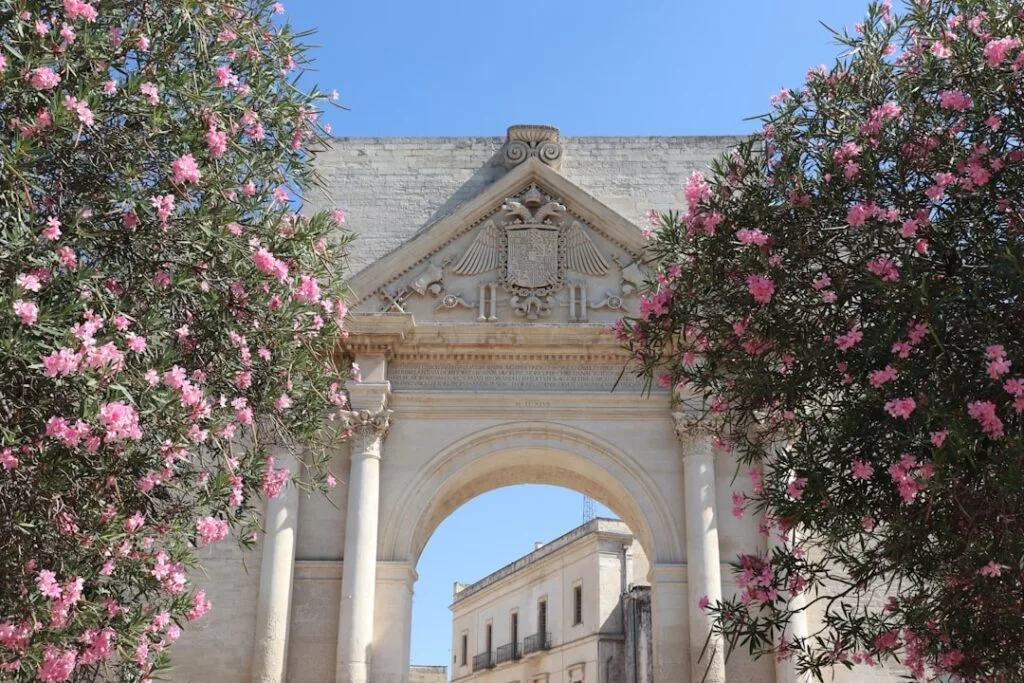
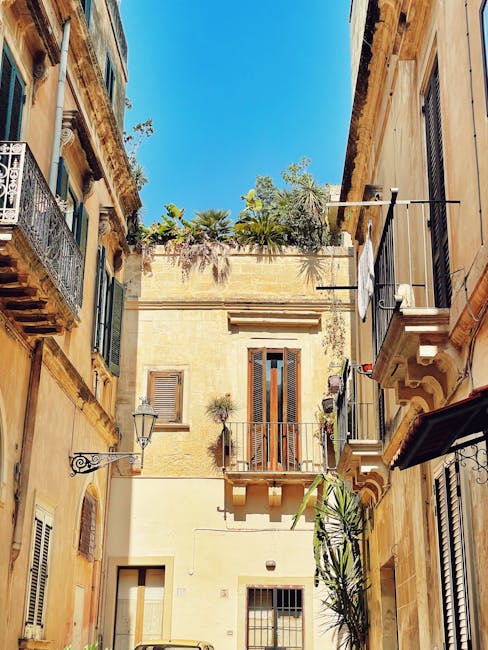
Porta Napoli (also called Porta Ferdinandea) marks one of the old city gates. Approximate location: Via Lecce / Piazza Porta Napoli, 73100 Lecce LE. It’s a good starting point for a photographic route that then leads into alleys lined with baroque palazzos. These passages offer plays of shadow and light, ornate balconies and façades with sculpted details that you’ll notice better by getting low — look for richly worked lintels and keystones.
Photo and practical tips: for the Castello, favor wide shots from Piazza Castello late afternoon; the inner courtyard works well in soft light for symmetrical shots. In the alleys, a 35mm or 50mm fast lens (f/1.8–f/2.8) will give nice subject separation against a baroque background. Watch parking: the historic centre is often a ZTL (zona traffico limitato) — park outside and walk in to avoid fines. At night, locals gather around enotecas and gelaterie: perfect for environmental portraits and street photos.
Click here to book a private walking tour of Lecce
Conclusion — Compose your photographic story and final tips
A baroque photo walk in Lecce is an invitation to slow down and observe. Between monumental façades and intimate neighborhoods, every street offers chances to tell the city’s story through texture and light. To shape your photographic narrative, vary your focal lengths (wide-angle for squares, standard for façades, telephoto for carved details), switch between wide shots and close-ups, and include scenes of daily life to root your images in local reality.
Recommended kit: a versatile camera body, three lenses (16–35 mm, 24–70 mm, 70–200 mm or a fast 35/50 mm for street), a small tripod, ND or polarizing filters, spare batteries and cards. Bring a waterproof pouch: the weather can change in autumn and spring. Respect places of worship: while most churches allow photography, flash is often forbidden and some areas may be closed during services. If you want to shoot inside during a ceremony, always ask staff for permission.
Local practical tips: check the ZTL so you don’t drive into the Centro Storico, book guided tours at the Museo Faggiano in advance, and try local specialties like pasticciotto (a pastry by a piazza) and focaccia barese for food shots. If short on time, stick to a compact route: Santa Croce → Piazza del Duomo → Piazza Sant’Oronzo → Castello di Carlo V. For a longer stay, get lost in side streets hunting for lesser-known carved doors and windows.
Finally, remember that photographing Lecce is also a way to respect and celebrate its heritage: share your photos, name the places you visited, and, if possible, support local conservation initiatives. Lecce rewards the prepared and respectful photographer — bring curiosity, patience and a sharp eye, and you’ll return with baroque series whose stone will warm every print.