





Introduction: One Day to Fall for Lecce’s Baroque
Lecce, tucked into Italy’s heel, is often called “the Florence of the South” because of its lavish, exuberant baroque architecture. In a single day you can lose yourself in carved façades, scalloped balconies and lanes that smell of sun-warmed stone. This “One Day: The Best Baroque of Lecce” guide is designed for travelers who are short on time but picky about quality: it lays out a coherent route, practical details (exact addresses, opening hours, ticket prices), vivid descriptions and local tips to help you get the most out of every stop.
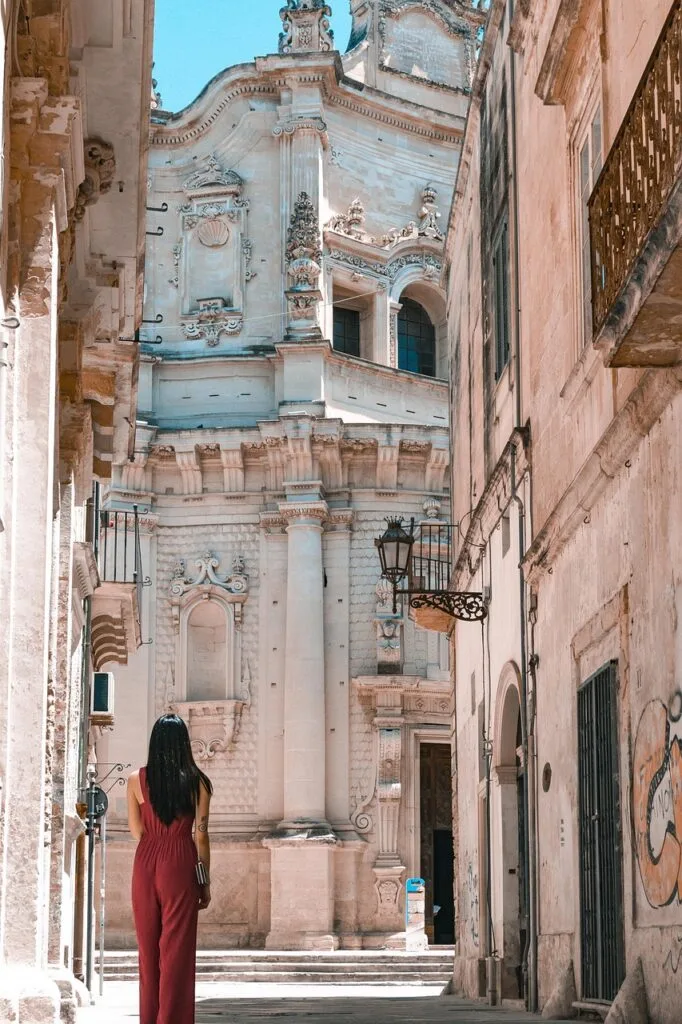
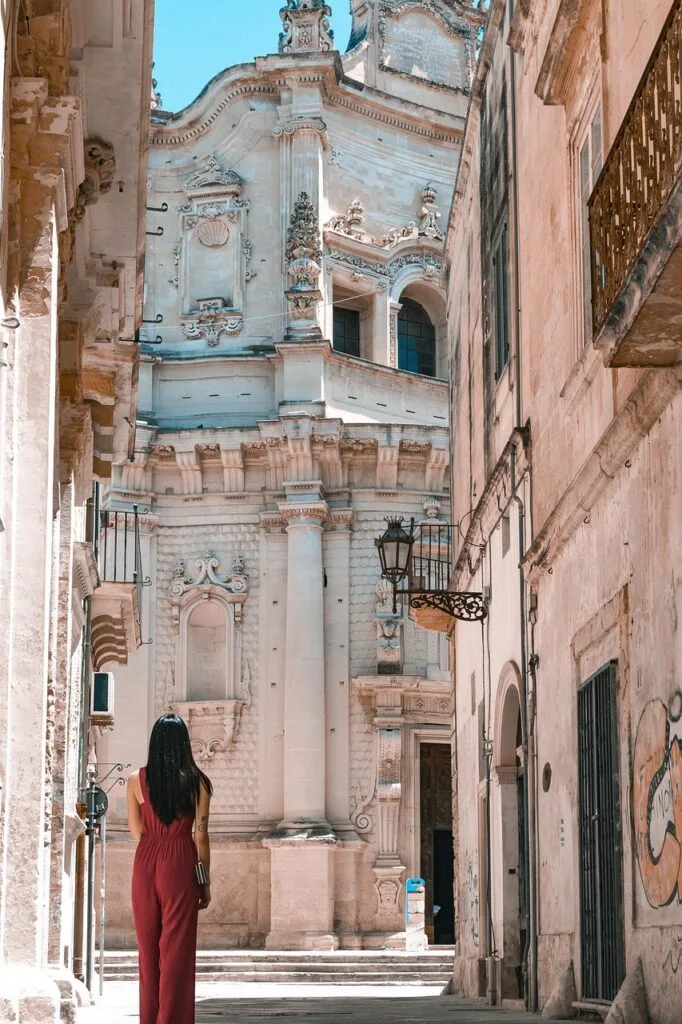
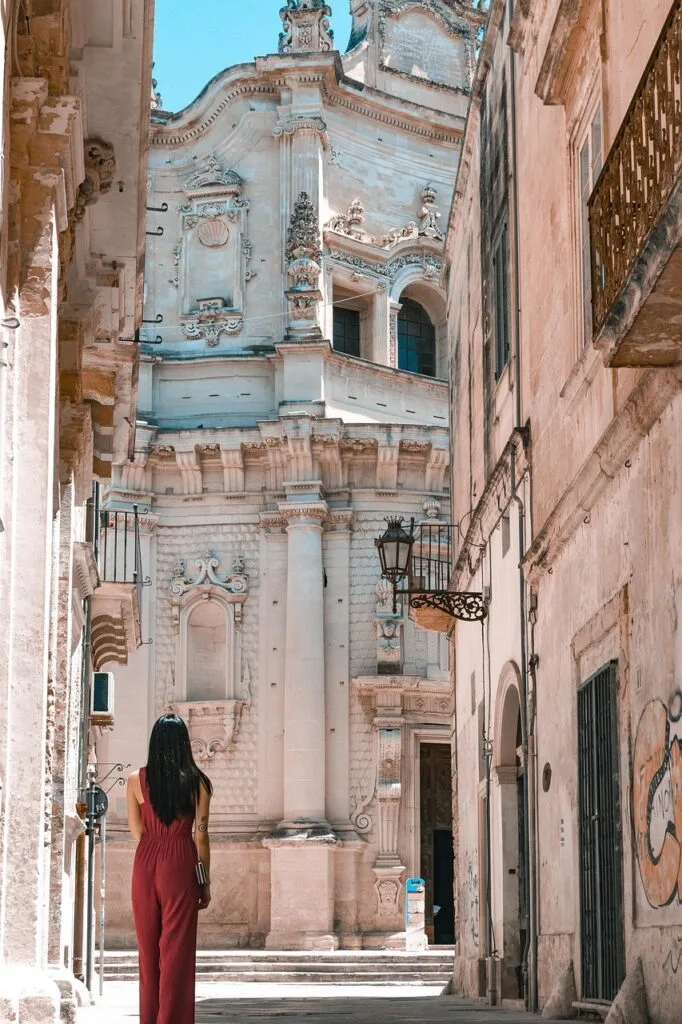
Lecce’s baroque is one of a kind: it blends Catalan, Spanish and Eastern influences with a local stone-carving tradition that produced an ornate, decorative language often called « barocco leccese. » Grotesque masks, acanthus leaves, cherubs and putti seem to burst from the façades, while monumental portals open onto hidden cloisters or intimate courtyards. In one day you can visit the city’s most emblematic squares, step inside a handful of major monuments and taste local cuisine without losing your curiosity or your sense of wonder.
This guide is planned to start in the morning, when oblique light reveals the façades’ reliefs, and then offers options for lunch, afternoon visits and alternate routes if you have specific interests (photography, architecture, crafts). You’ll find exact addresses — essential for finding your way through the maze of narrow streets — along with entry prices in euros and official opening hours current at the time of writing. I’ve also added local tips, like the best times to photograph the Basilica di Santa Croce, where to try a traditional pasticciotto, and how to avoid crowds on Piazza Sant’Oronzo.
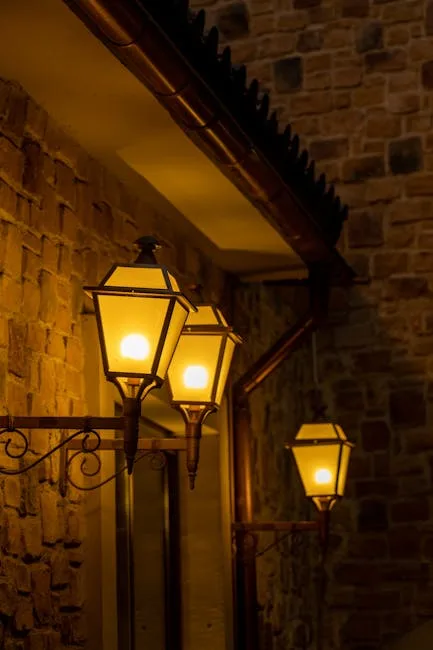
Finally, to make the experience as visual as possible before you arrive, this text includes image markers at spots where a photo would help capture the atmosphere: carved façades at dawn, backlit mosaics, balcony details and street scenes animated by cafés. These image cues will help you picture each stage and prepare your camera. Wear comfortable shoes: Lecce is best discovered on foot, by taking time to look up and getting happily lost. This day is an invitation to savor baroque in all its shades — from grand monuments to almost intimate details — and to leave with memories etched in stone and in mind.
1. A detailed itinerary for a full baroque day in Lecce
This central paragraph takes you step by step through the ideal day. The route starts early at the Basilica di Santa Croce, continues to Piazza Sant’Oronzo and the Castello Carlo V, then heads to the Duomo di Lecce and the surrounding lanes before finishing with tasty breaks and craft workshops. Each stop includes the exact address, opening hours, entry price, an immersive description and practical tips to optimize your visit.
Basilica di Santa Croce
Address: Piazza Santa Croce, 73100 Lecce LE, Italy.
Opening hours: usually open from 8:30 to 19:30 (check local notices: times may vary for religious events).
Price: free entry to the church; optional guided visits to the façade and portal (if offered) 3–5 €.
Description: The Basilica di Santa Croce is the masterpiece of Lecce baroque. Its façade is a decorative explosion: twisted columns, garlands, fantastical animals and carved faces crowd the pale stone like stone lace. In the early morning, side light sharpens the reliefs and turns the frontage into a true filigree. Inside, the choir, nave and side chapels are more restrained but reveal refined marbles and stucco that complement the external ornamentation. Take time to study the carved lintels on the side doors — every detail tells a religious or allegorical story.

Piazza Sant’Oronzo and the Roman theatre
Address: Piazza Sant’Oronzo, 73100 Lecce LE, Italy.
Opening hours: the square is always accessible; the archaeological site (Roman Amphitheatre) is open daily, welcome hours 9:00–19:00 (seasonal variations).
Price: access to the square is free; entry to the archaeological site is often free or by suggested donation, paid guided tours 4–8 €.
Description: A few minutes from the Basilica di Santa Croce lies Piazza Sant’Oronzo, Lecce’s vibrant heart. Dominated by the column of Sant’Oronzo and the statue’s pedestal, the square hosts the old Roman theatre, partially unearthed among modern buildings. The mix of ancient and baroque creates a striking contrast: modern façades and cafés surround Roman remains, while baroque buildings frame the square. It’s a perfect spot for a coffee break and people-watching. In the morning you’ll see locals standing at the counter for an espresso and artisans setting out their tools for the day.
Castello Carlo V
Address: Largo Castello, 73100 Lecce LE, Italy.
Opening hours: usually open from 9:00 to 19:00 (hours vary with exhibitions).
Price: museum/exhibition entry 3–7 € (rates vary by show).
Description: Castello Carlo V (Charles V’s Castle) provides an interesting counterpoint to the baroque: its massive silhouette, bastions and walls recall the Spanish fortification period. Inside, exhibition rooms sometimes host contemporary art installations or displays on local history. Thick walls and interior perspectives reveal sculptural details and decorations that are subtler but equally captivating. From the cortili (inner courtyards) you can see the juxtaposition of military style and the surrounding baroque palaces. It’s also a quieter stop away from the busiest squares.
Duomo di Lecce (Cattedrale di Maria Santissima Assunta)
Address: Piazza del Duomo, 73100 Lecce LE, Italy.
Opening hours: generally open from 8:00 to 20:00; religious services at posted times (check notices before visiting).
Price: cathedral entry is free; certain areas or the cloister may require a small fee 1–3 €.
Description: Lecce’s Duomo, dedicated to Maria Santissima Assunta, sits on a quieter square — Piazza del Duomo — surrounded by a bishop’s palace and a slender campanile. The cathedral pairs an understated exterior with a richly decorated interior: polychrome marbles, painted altarpieces and baroque stucco. The adjacent cloister is a peaceful haven, often not very crowded; take time to cross the Bishop’s cloister to appreciate the arcades and filtered light. If possible, climb the campanile (often accessible via guided visits) for panoramic views over Lecce’s rooftops.
Faggiano Museum and hidden courtyards
Address: Museo Faggiano, Via Ascanio Grandi 56, 73100 Lecce LE, Italy.
Opening hours: generally open 10:00–18:00 (hours may require booking for small guided tours).
Price: guided visit 8–10 € (indicative price; booking recommended since the museum is small).
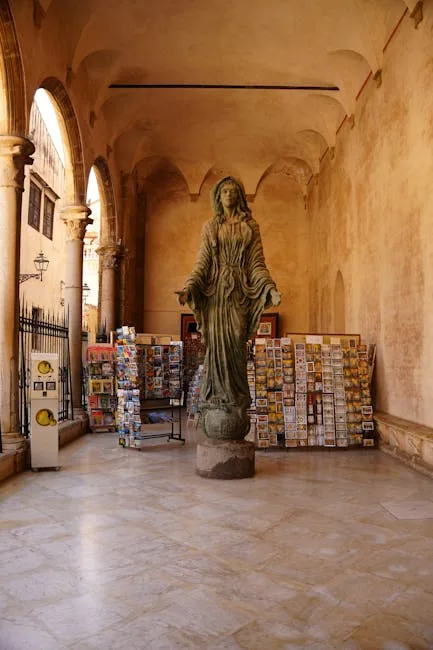
Description: Museo Faggiano is a perfect example of the history hidden beneath Lecce’s stones: a family restoration uncovered archaeological layers from the Messapian era to World War II. Visits are in small groups, often led by a family member or local guide, revealing fragments of daily life that give context to the baroque façades: layers of cultures, beliefs and successive occupations. The small inner courtyards and private gardens around the historic center are worth exploring too: you’ll find baroque portals, wrought-iron balconies and walls decorated with bas-reliefs.
Lunch break and Gallipoli specialties
Recommendation: Osteria degli Spiriti – Via degli Ammirati, 15, 73100 Lecce LE.
Opening hours: lunch 12:30–14:30; dinner 19:30–22:30.
Price: mains 10–18 €, antipasti 6–12 €.
Description: For lunch, favor an osteria or trattoria that serves Salento produce. Try a pasticciotto (local pastry filled with cream) for dessert, ciceri e tria (traditional pasta), or a seafood dish if it’s in season. Osteria degli Spiriti offers a typical setting, warm service and dishes made with local ingredients. Dine on the terrace if the weather allows to watch city life while enjoying Mediterranean aromas. Portions are generous; make a reservation at popular restaurants on weekends.
 Click here to discover the ultimate culinary tour with a local
Artisans and workshops: where to find pietra leccese
Recommended address: Laboratorio Scultura (example), Via Giuseppe Palmieri, historic quarter (addresses vary depending on seasonal workshops).
Opening hours: workshops often open for visits 9:00–13:00 and 15:00–18:00 (appointments recommended).
Price: demonstrations free; paid workshops 20–50 € depending on duration and activity.
Description: The local stone — pietra leccese — has been worked for centuries by specialist artisans. Many workshops welcome visitors for carving demos or mini-classes where you can carve a simple motif. These experiences show how baroque details are made: chips, traditional tools and gestures passed down through generations. Buying a small carved souvenir (magnet, small bas-relief) supports these artisans and extends the memory of your visit.
Click here to join a traditional papier-mâché workshop
End-of-day practical tips and photography
Best photo times: sunrise for the Basilica di Santa Croce and late afternoon (golden hour) for Piazza del Duomo. Gear: a wide-angle for façades and a 50–85 mm lens for carved details. Clothing: comfortable shoes and light clothing in summer; umbrellas or hats recommended. Safety: Lecce is generally safe, but keep an eye on small bags in crowded tourist areas. Payments: most restaurants accept cards; bring some euros in cash for small craft purchases. Transport: the historic center is ideal on foot. City buses serve peripheral points; taxis are available but usually unnecessary for the center.
Click here to book your baroque and underground architecture tour

Conclusion: A day that transforms you
A day devoted to Lecce’s baroque may feel short compared with the city’s richness, but well planned it delivers a concentrated dose of emotion and discovery. You’ll have admired the Basilica di Santa Croce’s exuberant façades, felt the echo of time on Piazza Sant’Oronzo, explored the sternness of Castello Carlo V, experienced the spirituality of the Duomo and uncovered layers of history at Museo Faggiano. Each stop is a chapter in a wider story where stone, light and local craftsmanship interlock to tell the tale of the Salento.
This guide is more than a simple itinerary: it’s an invitation to live at Lecce’s pace. Rather than checking boxes, take time for a coffee break, a stroll down side streets, a chat with an artisan or a quiet moment in a cloister. The practical tips here — hours, addresses, indicative prices — are meant to help you avoid surprises and maximize the quality of your experience. Remember that the best photo is often the one taken after watching, retracing your steps and letting the city surprise you.
Finally, bring home more than shots: a pasticciotto eaten on a step, a small pietra leccese object, a story shared with a local guide or the feeling of warmth on the stone at sunset. Lecce reveals itself to those who look up and look closely. One day will never be entirely enough, but it can be enough to leave you with an irresistible urge to return. Next time, you’ll already know where to find the details you loved — the carved faces, ornate balconies, and those little squares where time seems to stand still. Safe travels and enjoy discovering Lecce’s baroque.