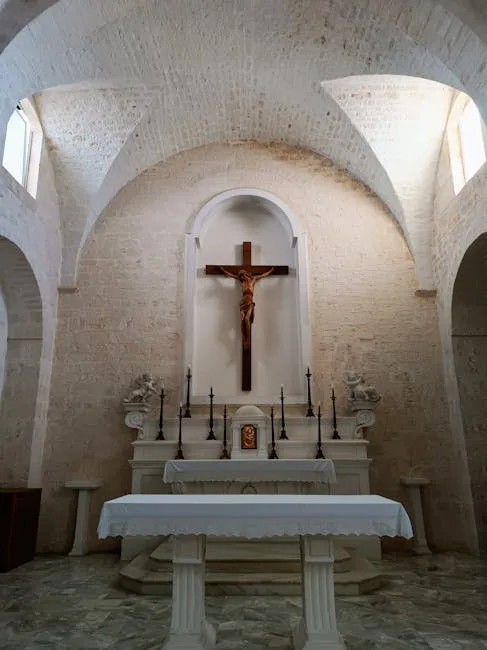





Introduction: The Buried Secrets of Lecce’s Chapels
Lecce, often nicknamed the “Florence of the South” for its exuberant Baroque and its local stone, the pietra leccese, is a city that reveals its treasures to those who wander with curiosity. Beyond the ornate façades and sunlit squares you’ll find tiny chapels, hidden oratories and decorated niches that tell stories of faith, craftsmen, confraternities and vanished local practices. These small spaces — sometimes tucked into convent corridors, in the transepts of grand basilicas or behind unassuming doorways — often shelter artworks, frescoes, stucco and altars that don’t always make it into mainstream guidebooks.
Discovering Lecce’s chapels isn’t just about admiring marble or carved details; it’s stepping into an intimate world of devotion. Here, a 17th‑century confraternity funded a little oratory whose dome carries scenes from a saint’s life; there, a notable family commissioned a painted altarpiece to honor a beloved patron. Many such chapels display engraved inscriptions, ex‑voto offerings in silver and wax, and liturgical objects worn by centuries of use. They also reveal architectural secrets — blocked arches turned into prayer spaces, reused Roman columns, visible makeshift repairs where thrift and inventiveness meet.
In this article I offer a sensory, informative route through several noteworthy chapels in Lecce: some easy to visit, others you’ll have to hunt down. For each site I give full names, exact addresses, opening times, prices and immersive descriptions so you’ll know not only where to go but what to look for and how to experience it. You’ll also find local practical tips: when to avoid Mass times, which corner of a chapel has the best light for photos, how to ask for a guided visit in Italian or English, and which nearby shops make for an authentic coffee break after your visit.
This guide aims to turn a simple stroll into a sensitive investigation: tracing forgotten chapels, catching the polychromy of a fresco as daylight fades, understanding why a particular saint appears in a tucked‑away niche, or learning to listen to a city through its worked stone. Prepare to stumble across gilding too small for a hurried glance, late‑Baroque altars protesting against oblivion, and chapels where time seems to have stopped. Every address is given so you can plug it into your GPS, and every practical tip is intended to make your exploration as smooth as it is enlightening.
This guide aims to turn a simple stroll into a sensitive investigation: tracing forgotten chapels, catching the polychromy of a fresco as daylight fades, understanding why a particular saint appears in a tucked‑away niche, or learning to listen to a city through its worked stone. Prepare to stumble across gilding too small for a hurried glance, late‑Baroque altars protesting against oblivion, and chapels where time seems to have stopped. Every address is given so you can plug it into your GPS, and every practical tip is intended to make your exploration as smooth as it is enlightening.
 Click here to book a Baroque and underground tour in Lecce

The Basilica di Santa Croce: the Chapel of the Crucifix and Its Mysteries
Full name: Basilica di Santa Croce (Chiesa della Santa Croce)
Address: Piazza del Duomo, 22, 73100 Lecce LE, Italy
Opening hours: generally open daily from 09:00 to 13:00 and 16:00 to 19:00 (times may change for religious events).
Price: entrance to the basilica is free; guided visits to the façade and roofs are offered by the local tourist office: roughly €5 for access to the terraces (price varies).
The Basilica di Santa Croce is famous for its spectacular façade, but many visitors overlook the small side chapel dedicated to the Crucifix (Cappella del Crocifisso). It sits on the right side of the transept and is notable for an enigmatic altarpiece and a collection of ex‑voto cast in wax and metal. The atmosphere is hushed: low light highlights delicate stucco work and a Mannerist painting that was retouched in the 19th century. On the north wall, a Baroque bas‑relief depicts the Entombment, but if you step closer you’ll spot traces of original polychromy that suggest an earlier, more restrained and darker decoration.
Look for: the local pietra leccese on the interior cornices still bears tool marks — an interesting detail for architecture buffs. Locals say some hand‑polished threshold stones were reused from an old Roman site. For the best photos, visit during the golden hour (about an hour before sunset): the low side light filters through the upper windows and makes the tabernacle’s gilding glow.
Practical tips: if you want a deeper look at the Cappella del Crocifisso, stop by the tourist office in Piazza Sant’Oronzo or ask the sacristan on site; it’s often possible to access normally closed areas for a small donation (€3–10). Avoid Mass times (mainly 10:30 and 18:30) to respect worship and to access the more delicate corners.
Click here to discover Lecce’s Baroque secrets in three hours
The Cattedrale di Maria Santissima Assunta and the Chapel of the Blessed Sacrament
Full name: Cattedrale di Maria Santissima Assunta (Duomo di Lecce)
Address: Piazza del Duomo, 1, 73100 Lecce LE, Italy
Opening hours: the cathedral is generally open from 09:00 to 13:00 and 16:30 to 19:30. The bell tower and Diocesan Museum have variable hours; check with the tourist office.
Price: cathedral entry is free; the Diocesan Museum (Museo della Cattedrale) costs about €3–6 (reduced rates for students/seniors).
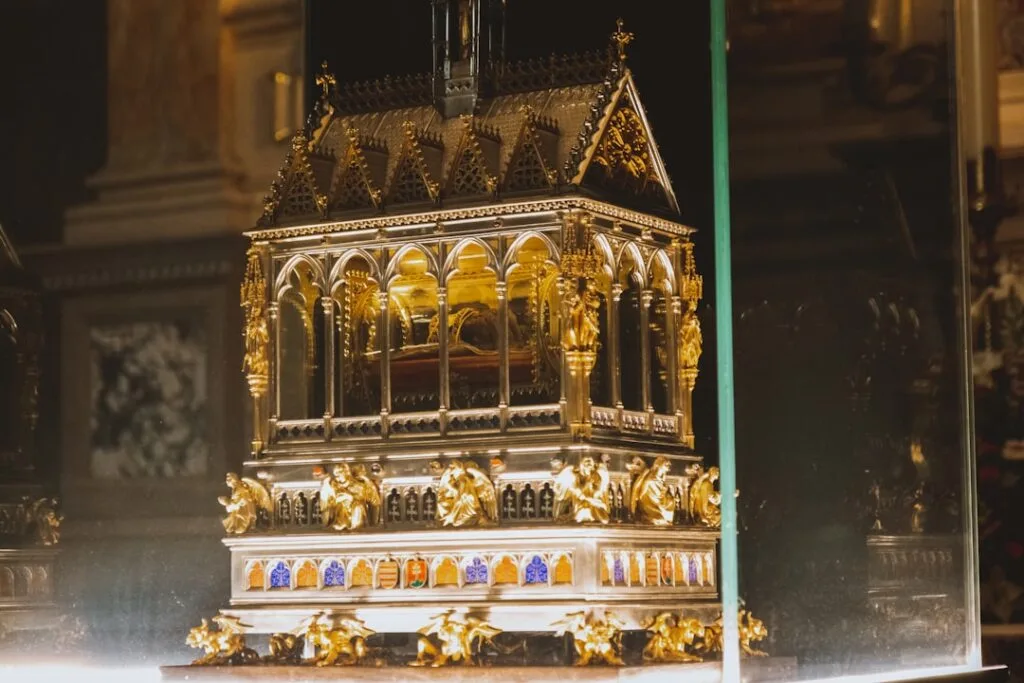
Lecce’s cathedral is a complex ensemble where each side chapel has its own story. The Cappella del Santissimo Sacramento, in the choir, stands out for its chased silver tabernacle and a polychrome marble canopy. It’s a fine example of sacred art meant to focus the faithful on the Eucharist: gilded stucco, raised angels and a small painted dome representing heavenly glory. The upper windows, modest though they are, filter light that highlights the inlaid marbles.
Nearby highlights: a gilded wooden reliquary chest from the 18th century and a silver‑plated ex‑voto dedicated to Santa Oronzo, the city’s patron. The cathedral also contains a series of Latin inscriptions carved into benches and under altars that record donations and restorations — invaluable for understanding local patrons.
Practical tips: the Museo della Cattedrale, attached to the cathedral, houses important goldsmith’s work and liturgical garments. Tickets are purchased at the museum entrance (Piazza del Duomo, 1). To climb the bell tower for panoramic views over Lecce — helpful to locate the smaller chapels you may want to visit next — allow about €3–4 and 20–30 minutes. In high season (May–September), arrive early in the morning to beat the crowds and the heat.
Click here to buy an audio guide ticket for the museum
Chiesa del Gesù: Oratories and Chapels of the Confraternities
Full name: Chiesa del Gesù (Church of the Gesù, Jesuit Church)
Address: Piazza Sant’Oronzo, 73100 Lecce LE, Italy
Opening hours: generally open daily from 10:00 to 13:00 and 16:00 to 19:00; hours may vary with parish activities.
Price: free entry; voluntary donations suggested for maintenance.
The Chiesa del Gesù, built by the Society of Jesus, is a concentrated display of Baroque art and small chapels dedicated to various Jesuit saints. Under its vaults, small lateral niches hold polychrome statues and stucco reliefs that at first glance seem decorative but actually function as a theological “stage set”: dramatized scenes from saints’ lives meant to teach the faithful. One chapel in particular, dedicated to San Giuseppe, contains a miniature representation of a local sculptor’s workshop — a painted wooden altarpiece worked with surprising finesse.
Look for: the church is known for its carved wooden confessionals and benches marked by devotional inscriptions. Behind the main altar a cramped chapel preserves fragile relics and confraternity parchments — access may be granted on request to the sacristan for researchers. Paintings are sometimes retouched; ask staff about recent restorations to better appreciate those interventions.
Practical tips: for a more intimate experience, attend a weekday morning Mass (08:00–09:00): the atmosphere is contemplative and lets you see sacred art in its living context. If you’d like to see behind the scenes in the sacristy, contact the parish 24 hours in advance; local volunteers are often willing to open normally closed areas. After your visit, stop by Pasticceria Natale (Via Giuseppe Libertini, 73100 Lecce) for a warm pasticciotto — a local reward beloved by the faithful.
Click here to book a 2‑hour guided Baroque tour
Small Chapels and Street Oratories to Discover While Wandering: Via Vittorio Emanuele and Nearby Lanes
Area covered: Via Vittorio Emanuele, Via Palmieri, Vicolo dei Teatini, historic center of Lecce
Opening times: these chapels can often be seen from the street all day; interior access depends on the churches or convents housing them (often 09:00–12:30 and 16:30–19:00).
Price: generally free; some private oratories may request a small donation (€1–5) to open the door.
The charm of Lecce also lies in its corners: street oratories inset into façades hold painted Madonnas, wrought‑iron crosses and votive plaques. Via Vittorio Emanuele, one of the main shopping streets, conceals several eye‑level Baroque niches — great for quick photo stops. Turning down Via Palmieri and the small side streets you’ll find gates that hide convent gardens and private chapels. Some are used today as temporary exhibition spaces but still keep their historic altars.
Look for: ceramic plaques marking former confraternities (Confraternita del Carmine, Confraternita di San Marco) and names carved into lintels — these tell stories of ownership and changing use. In Vicolo dei Teatini, a chapel dedicated to Santa Teresa preserves a fairly large canvas painting whose fragile condition calls for a respectful, quiet visit.
Practical tips: the best time to wander these lanes is early morning (08:00–10:00) when the low sunlight brings out the carving on lintels and shops are still closed. Wear comfortable shoes: Lecce’s paving is uneven. For photographing street niches, favor a light wide‑angle lens and politely ask permission if the chapel is clearly attached to private property. Carry small change for modest donations to thank locals who open their doors.
Click here to explore Lecce off the beaten path and its secret lanes
Monastic and Underground Chapels: Santa Chiara and the Clarissan Monastery
Full name: Monastero e Chiesa di Santa Chiara (Monastery and Church of Saint Clare)
Address: Via del Mare (near the historic center), 73100 Lecce LE, Italy — the monastery’s main entrance is accessed via small streets adjacent to the historic center.
Opening hours: guided visits to the monastery and its internal chapel are by reservation; times vary (often afternoon tours between 15:00 and 17:00).
Price: guided visit to the monastery and chapel approximately €4–8 depending on duration (rates vary, check ahead).
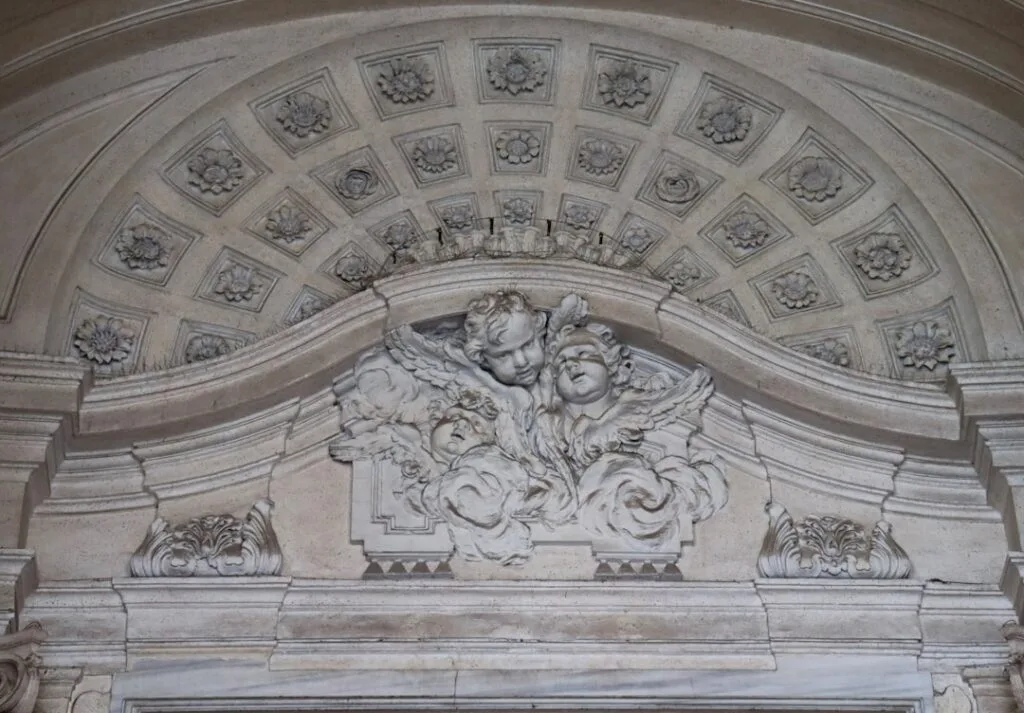
Lecce’s monasteries often hide chapels that don’t appear on standard tourist routes. The Monastero di Santa Chiara, for example, has a cloistered chapel of surprising sobriety, where frescoes and the carved heads on the cornices are better preserved than in busier sites. Some convents also house crypts and underground spaces with burial chambers and reliquaries. These areas speak to the city’s layered history: successive architectural strata, sometimes Roman, often medieval and Baroque.
See also: Santa Chiara’s internal chapel contains old candles, fragmentary tapestries and Latin funerary inscriptions. When the crypts are open to the public they offer an almost archaeological experience: mosaic floors, fragments of wall painting and funerary niches. These spaces require respectful behavior and often restrictions on photography (some communities prohibit flash or any photos).
Practical tips: book your visit at least 48 hours in advance via the tourist office or the local sacristy. Dress respectfully (shoulders and knees covered). Tours are often conducted in Italian; ask for an English brochure or a written summary if you don’t speak the language. Bring a compact torch for the crypts — lighting can be dim.
Click here to book an underground tour and tasting

Final Practical Tips for Exploring Lecce’s Hidden Chapels
Planning your route: start early with the Basilica di Santa Croce and the Cathedral (Piazza del Duomo), then make your way to the Chiesa del Gesù and the oratories on Via Vittorio Emanuele before the midday break. Monasteries and crypts are best visited in the afternoon by reservation.
- Tickets and costs: carry a few euros in cash for donations to sacristans and for small guided visits (€3–10 is typical). Diocesan museums often charge about €3–6 per person.
- Opening times: always double‑check times locally on the morning you plan to visit: church schedules can change for local religious festivals (patron saint days, processions).
- Respect: these chapels are active places of worship. Avoid loud conversation, cover up if required and ask permission before photographing ceremonies or people at prayer.
- Accessibility: some chapels are reached by narrow staircases or private passages — contact the tourist office for alternatives if you have mobility concerns.
- Places to eat and rest: after your visit try a pasticciotto at Bar Leccese (Via Vittorio Emanuele II, 73100 Lecce) — good value and a genuine local atmosphere.
Click here to buy a City Pass to visit Lecce
Last Recommendations
When you stray off the main tourist routes, keep a curious, patient attitude: a half‑open gate, an available sacristan, a poster announcing a guided visit can turn an ordinary walk into a memorable discovery. Always carry a notebook to jot down family names, carved dates and workshop details — these notes make the visit live on and will help you dig deeper later in local archives or specialist guides.
Conclusion: Take Lecce Home with You
Exploring Lecce’s hidden chapels means being open to surprises at a small scale: a finely chased relief, faded polychromy, devotion expressed through an ex‑voto. These places tell the city’s story differently from its grand squares: they are the intimate memory of families, confraternities and religious communities that shaped Lecce. Visiting them gives you not only another architectural perspective but also insight into old social networks — who financed an altar, who handled restorations, how popular piety materialized in a ceramic plaque or a small statuette.
Taking the time to listen to these chapels also means meeting people: the sacristan who holds the keys, the nun who leads a cloister tour, the artisan restoring a painting — their stories add an essential human layer to the stones. By following the addresses and tips here you’ll be able not just to find these spaces, but to appreciate them in context: observing opening hours, wearing appropriate attire, and having a little cash ready to offer when appropriate. The reward is twofold: vivid images often free of crowds, and the feeling of having heard the city whisper its memories.
Finally, bring with you a sense of continuity: Lecce keeps adding layers to its history. Today’s chapels may become tomorrow’s small museums, and every attentive visitor plays a part in these places’ survival. Whether you’re an art, history or architecture enthusiast or simply a curious traveler, let these nooks surprise you — their beauty can be understated, but it’s always profound. Return to Lecce with these images etched in memory: sharing a pasticciotto, golden stone at sunset, a pocket altar that only you managed to find.