




2-Hour Baroque Facades Walk in Lecce
Introduction
Lecce, often called the “Florence of the South,” is a baroque gem tucked in the heart of Puglia, the heel of Italy’s boot. Its local limestone, pietra leccese, allowed 17th- and 18th-century sculptors and architects to unleash a luxuriant baroque vocabulary: shells, acanthus leaves, mischievous angels, grotesque masks, floral garlands and mythological figures spring from deep-relief façades in warm, honeyed stone. A well-planned two-hour walk is enough to get a solid feel for this sculptural heritage. This guide offers a precise, immersive and practical route to make the most of a morning or late-afternoon in Lecce, with exact addresses, typical opening times, indicative entry fees and local tips.
In two hours you’ll cross the city’s most evocative squares and stroll streets where every doorway, balcony and cornice tells a story of urban wealth and communal devotion. Highlights include the spectacular Basilica di Santa Croce, the majestic Cattedrale di Maria Santissima Assunta and its bell tower, the vibrant Piazza Sant’Oronzo with its layered history, and less famous but equally eloquent palaces such as the Palazzo dei Celestini and the baroque façades along Via Vittorio Emanuele II.
This guide is aimed at visitors who are short on time but curious: it includes exact addresses, usual opening hours, entrance fees where relevant, and practical advice (best times for photos, dealing with summer heat, walking access and parking tips). Price and hours reflect typical practices as of 2025; I still recommend checking for updates locally or with tourist offices the day of your visit.
To help you visualize the route and prepare your camera, the article includes visual cues as suggestions: sunlit façade views at golden hour, close-ups of sculpted details and lively square perspectives. Use these as inspiration for your shots or for searching royalty-free image libraries. Lace up your shoes: in two hours Lecce will tell you its baroque story, from stone to sky.
 Click here to book your 2-hour guided Baroque walk
1st hour: From the historic core to the Basilica di Santa Croce
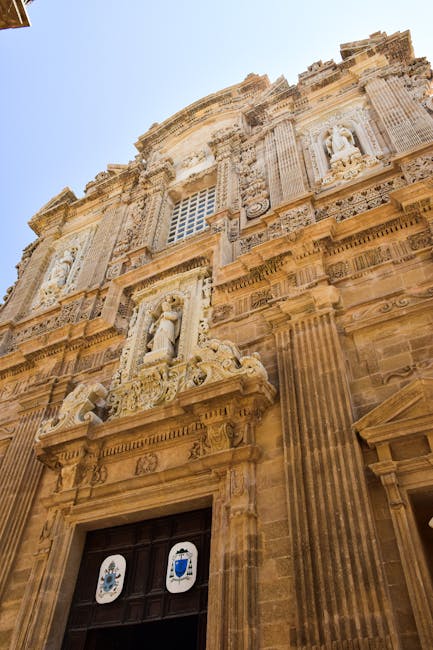
Start your walk at the Basilica di Santa Croce, located on Piazza Santa Croce, 73100 Lecce LE, Italy. This basilica is the emblem of Lecce baroque: its late-baroque façade is lavishly carved with abundant ornamentation, allegorical figures and marine motifs that seem to emerge from the warm stone. Arrive early (ideally between 9:00 and 10:30) to avoid flat, front-on light that can wash out reliefs; low morning light or late-afternoon raking light best highlights shadows and volumes.

Opening times and fees: the basilica is usually open to the public Monday to Sunday from 8:00 to 19:00 (times may vary with the liturgical calendar). Entrance to the church itself is free; however, access to the cloister and the museum behind the basilica may be charged: around €2 to €4 per person. Check at reception about guided visits to the sacristy and temporary exhibitions (variable fee, often around €3 to €6).
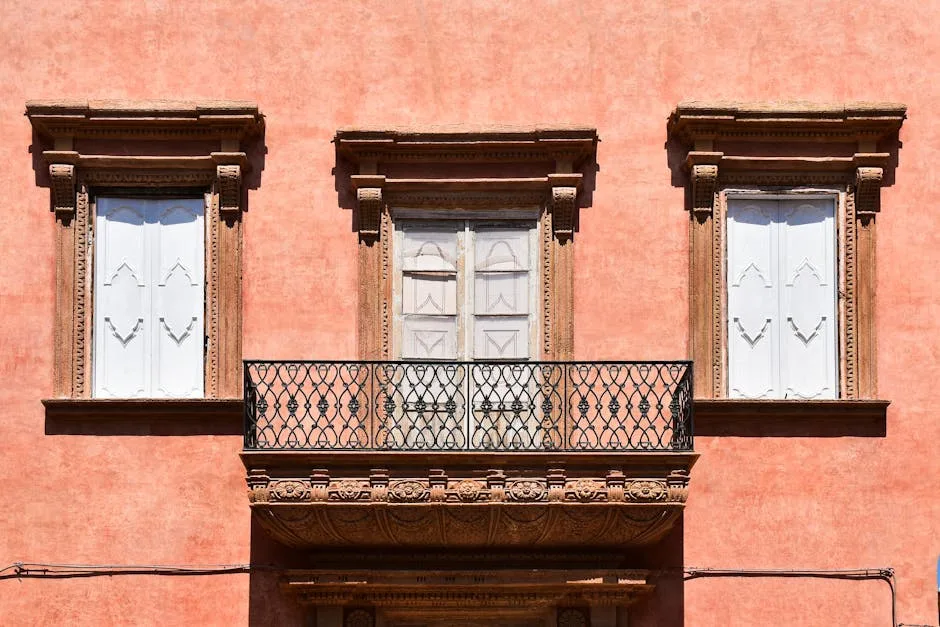
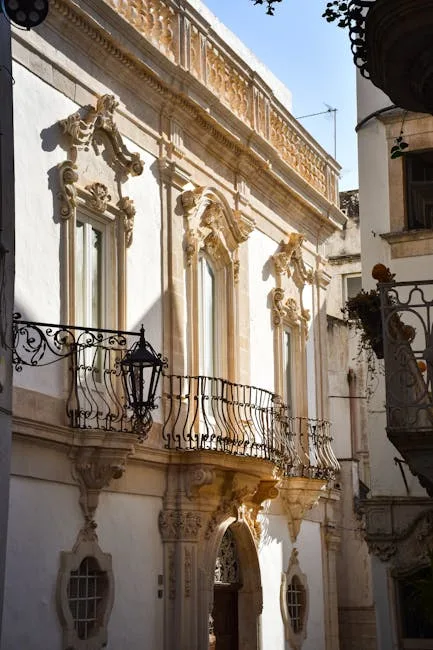
From the basilica, head up Via Umberto I then turn right toward Piazza del Duomo (Piazza Duomo, 73100 Lecce LE). Along the way, pause to admire the residential façades and decorated portals on Via Vittorio Emanuele II: the wrought-iron balconies and carved mascarons are small masterpieces of popular baroque.

Arriving at Piazza del Duomo, you’ll face one of the city’s most harmonious sculptural ensembles. The Cattedrale di Maria Santissima Assunta (Piazza Duomo, 73100 Lecce LE) and its campanile form a balanced group with the Palazzo Vescovile and the Palazzo dei Celestini. The cathedral’s exterior is less exuberant than Santa Croce, but its interior is luminous and you can often climb the bell tower for panoramic views (bell tower access usually costs around €3 to €5).
Opening times and fees: the cathedral generally welcomes visitors from 8:30 to 19:00; Masses can restrict access to certain areas. Entrance to the cathedral is free, but access to the bell tower or the Museo Diocesano (Diocesan Museum of Lecce, Piazza Duomo, 73100 Lecce LE) is ticketed: about €3 to €6. The museum houses liturgical objects and sculptures and is useful for understanding the local artistic context.
Practical tips for this first hour: wear comfortable shoes (uneven cobblestones), bring a water bottle (summer heat is dry and intense), and if you’re shooting photos, favor a 24–70mm lens to capture both wide square views and sculptural details. If you have extra time, make a short detour to the small Chiesa di Santa Irene (Piazza Sant’Oronzo, 73100 Lecce LE) to see a lesser-known but very photogenic façade and dome.
2nd hour: Piazza Sant’Oronzo, Palazzo dei Celestini and baroque alleyways
The second hour of your walk leads you to Piazza Sant’Oronzo (Piazza Sant’Oronzo, 73100 Lecce LE), the lively heart of Lecce where ancient history meets the baroque. Start at the Colonna di Sant’Oronzo, the column dedicated to the patron saint, framed by the Roman theatre and restored façades. The Teatro Romano di Lecce sits on the corner of the square and can be viewed for free from the square — for a deeper visit check with the local Tourist Office.
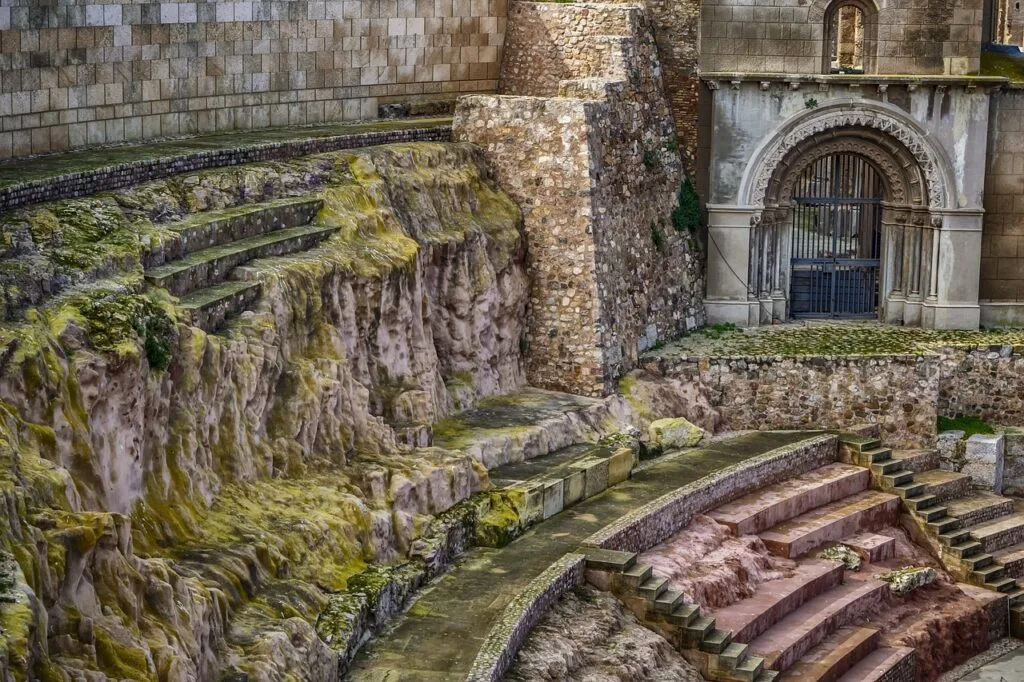
Opening times and fees: most monuments visible from the square are free to admire from the outside; however, the archaeological site of the Teatro Romano may have opening hours and a small entrance fee (generally €2 to €5) depending on current exhibitions. The Lecce Tourist Office (Ufficio Informazioni e Accoglienza Turistica – IAT), usually located near the square, typically opens from 9:00 to 18:00; they can provide free maps and up-to-date information.
From the piazza, head toward the Palazzo dei Celestini (Piazza del Duomo / Via XXV Luglio area, 73100 Lecce LE). This imposing palace that once housed religious orders is a perfect example of monumental baroque: fluted columns, ornate pediments and loggias rhythm the façade. Nearby, Via dei Perroni and Via Umberto I are full of inner courtyards and carved portals — push open one of those gates if you can: behind them, secret patios reveal intimate views of pietra leccese ornamentation.
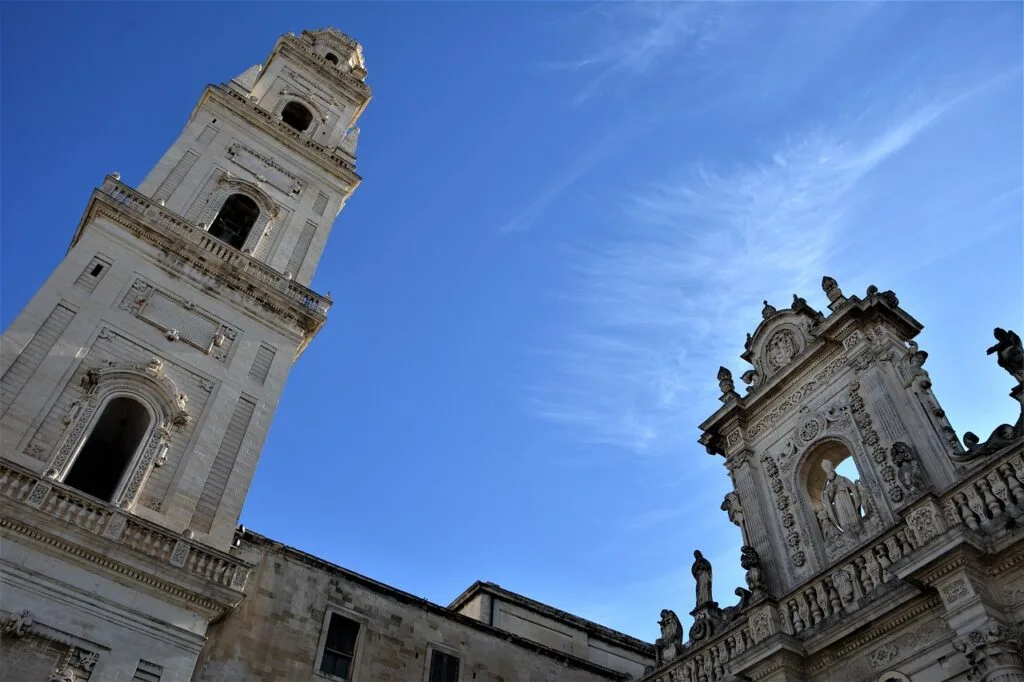
An hour is enough to wander and photograph the main façades, but the real pleasure lies in the details: study window frames, column capitals, zoomorphic motifs and Latin inscriptions. Architecture enthusiasts should read the information panels on some façades or download an audio-guide app beforehand.
Practical tips for this second hour: in summer, take a shady coffee break at one of the cafés in Piazza Sant’Oronzo (an espresso typically costs between €1 and €1.50; a cappuccino between €1.50 and €2.50). Avoid visiting the main façades between 12:00 and 15:00 to escape harsh midday light that flattens reliefs; early evening provides softer light and a lively atmosphere. If you have a smartphone, turn on location and follow the walking route in Google Maps or a paper map to save time between points of interest.
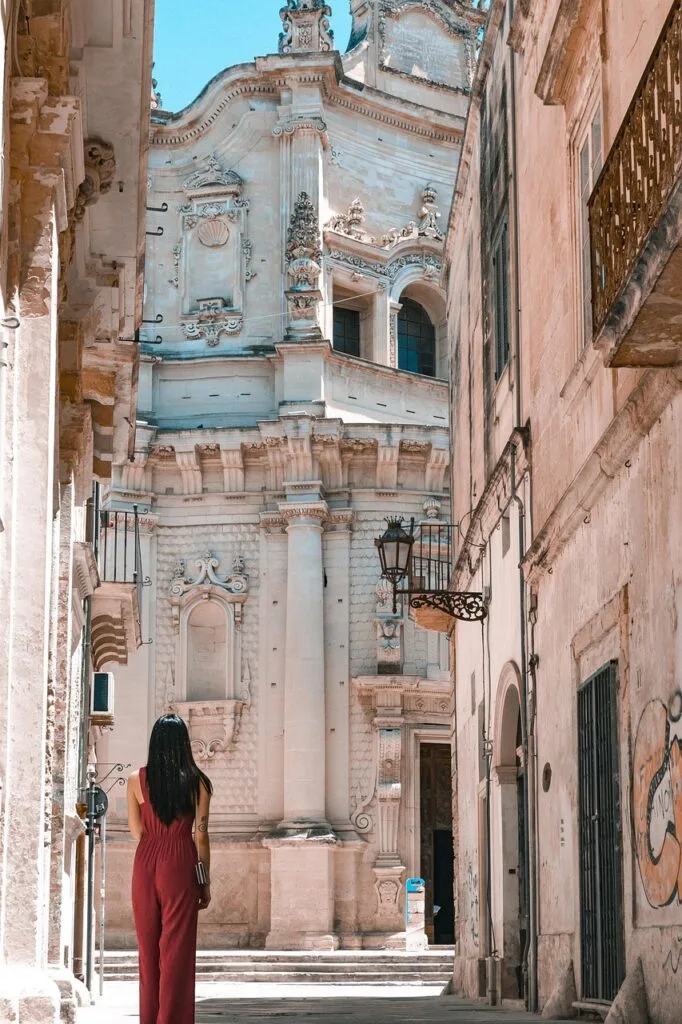
Finally, if time allows, finish by exploring the small streets perpendicular to Piazza del Duomo: Via G. Libertini, Via Paladini and Via Giuseppe Libertini offer a succession of more modest but highly photogenic baroque façades. These lanes reveal Lecce’s less-touristed side, where everyday life mixes with centuries-old ornamentation — neighbors watering balcony plants, cats basking on thresholds, and restoration workshop owners tending the stone.
Transport and access: the entire historic center is easily walked. If you arrive by car, several public car parks lie on the edge of the centro storico, for example Parcheggio Porta Napoli (Via Templari, near Corso Vittorio Emanuele II) or park & ride options on the city outskirts; expect to pay between €1.50 and €2.50/hour depending on location. City buses also serve the center’s perimeter; ask at the main stop for “Centro Storico / Piazza Sant’Oronzo.” Many hotels and B&Bs provide shuttle advice or directions for tourist parking.
Local practical tips and final recommendations for a great walk
- Best times to visit: morning between 9:00 and 11:00 for great light and moderate crowds; late afternoon after 17:00 for long shadows and a golden atmosphere.
- What to wear: comfortable shoes, a sun hat in summer, and a light jacket in spring/autumn — the stone holds coolness and narrow streets can feel cooler than open squares.
- Photography: a versatile 24–70mm and a 50mm for details. Use raking light to emphasize reliefs; avoid full midday sun for texture shots.
- Public toilets: available in some cafés and at the Diocesan Museum (a small purchase is usually required in cafés).
- Safety: Lecce is generally safe, but keep an eye on your belongings in tourist areas and avoid leaving valuables visible in a parked car.
By following this two-hour route you’ll get a coherent reading of Lecce’s baroque: from the best-known façades to the quieter treasures tucked in side streets. Even if you don’t enter every building, the walk will give you a clear sense of how stone and light converse here. If you have more time, extend your visit by a half-day to see the Museo Faggiano (Via Ascanio Grandi, 73100 Lecce LE, variable opening hours, ticket around €4–€6) and Via Palmieri, lined with aristocratic palaces.
Conclusion
In a focused two-hour walk, the “Baroque Facades Walk in Lecce” offers an intense and memorable immersion into sculptural art and urbanism in a city that turned its local stone into living art. From the splendid Basilica di Santa Croce (Piazza Santa Croce, 73100 Lecce LE) to the stately Cattedrale di Maria Santissima Assunta (Piazza Duomo, 73100 Lecce LE), via the lively Piazza Sant’Oronzo and the Palazzo dei Celestini, each stop helps explain why Lecce is a top pick for architecture and photography lovers.
The addresses and opening times in this guide are here to help you plan: most churches open early and close in the late afternoon, diocesan museums and archaeological sites usually charge a small fee (generally under €6), and local tourist services can give you up-to-date information on exhibitions and exceptional closures. For quick bites, expect to pay an espresso between €1 and €1.50 and a small snack or focaccia between €3 and €7 depending on the place.
One last tip: give yourself time to look up. Souvenir photos are great, but the true richness of Lecce appears when you take a moment to see how the stone catches the light, how streets curl around intimate squares, and how locals incorporate these masterpieces into daily life. If you return later, explore beyond the main routes: pietra leccese restoration workshops, hidden churches and private houses with ornate portals offer unique discoveries.
In short, this two-hour stroll is a concentrated dose of architectural emotion: plan it for early or late in the day to catch the best light, consider a guide or audio-guide if you want historical context, and don’t forget water, comfortable shoes and curiosity. Lecce awaits — stone by stone, façade by façade — for a sensory journey through one of Italy’s warmest baroque traditions.
Click here to book a Baroque and underground guided tour