





Introduction
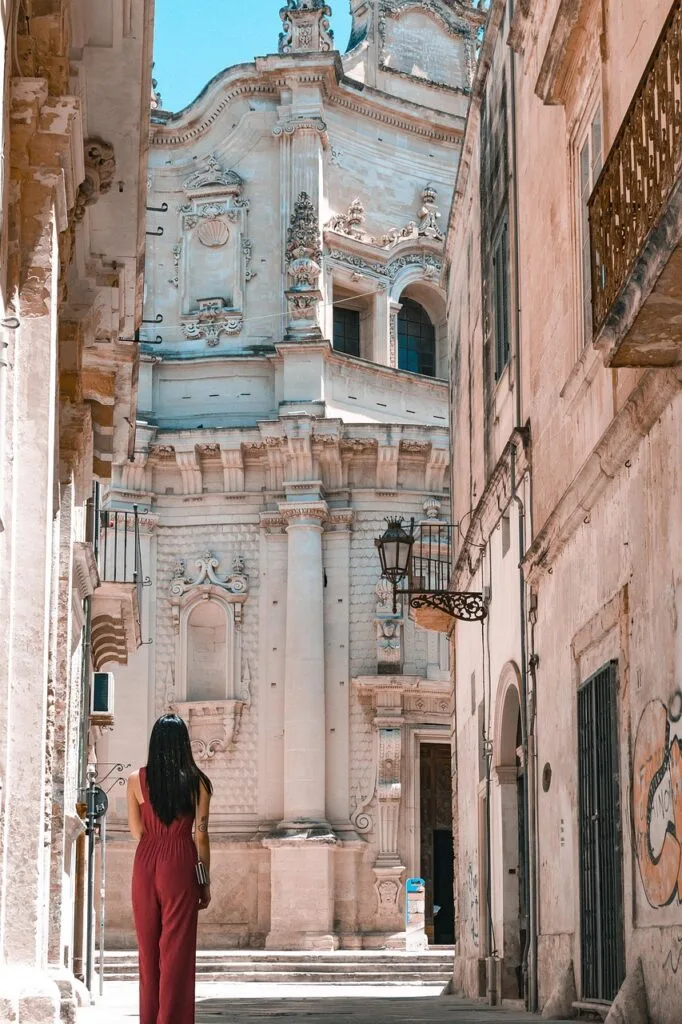
The Lecce Carnival is the time of year when this Baroque gem of the Salento turns into an open-air theater. Nestled in the heart of Puglia, Lecce is famous for its honey-colored limestone, exceptional Baroque heritage and lively southern atmosphere — and during Carnival all these elements come together for a truly sensory experience. Unlike the larger, more internationally-known Mediterranean carnivals, Lecce’s celebrations keep a very local identity: handcrafted traditions, cartapesta (papier-mâché) masks, popular music, traditional dances and sweet treats parade through the narrow streets and monumental squares of the city.
The Carnival period moves each year according to the liturgical calendar: it peaks on Shrove Tuesday (Martedì Grasso), the day before Ash Wednesday and the start of Lent. Festivities typically kick off the weekend before and can include parades, street theater performances, children’s workshops and artisan markets where you can see masks and floats being made. In Lecce the vibe is friendly and creative: impromptu cartapesta workshops in inner courtyards, rehearsed folk songs on the steps of the Basilica di Santa Croce, and families flocking to Piazza Sant’Oronzo to watch the parade and buy chiacchiere — the light sugar-dusted pastries.
This guide aims to uncover not only the schedule and must-see dates, but also the behind-the-scenes of the Lecce Carnival: where to watch the parades, which workshops are worth your time, which spots to visit to extend the experience (museums, churches, restaurants), typical prices for shows and visits, plus practical advice — how to get around, when to avoid peak crowds, and how to respect local traditions. I’ll mention specific city locations (squares, monuments, museums) with addresses and usual opening hours so you can plan a complete visit.
Finally, you’ll find tips to experience the carnival like a local: join a cartapesta workshop, taste the festive specialties made for the occasion (chiacchiere, struffoli, cicerchiata), learn a few steps of the tarantella, and pick the best vantage points to capture the colors and costumes. Whether you’re a curious traveler, an amateur photographer or a family looking for a festive weekend, the Lecce Carnival offers a rare mix of authenticity, history and popular celebration — a festival that honors the cultural identity of the Salento.
Finally, you’ll also find tips to experience the carnival like a local: join cartapesta workshops, taste the local treats made for the occasion (chiacchiere, struffoli, cicerchiata), learn a few moves of the tarantella, and pick the best spots to photograph the magic of costumes and colors. Whether you’re a curious visitor, an amateur photographer or a family after a weekend of fun, the Lecce Carnival combines authenticity, history and popular festivity — a celebration that pays tribute to Salento’s cultural identity.
Traditions of the Lecce Carnival: cartapesta, masks and music
At the heart of the Lecce Carnival are deeply rooted artisan traditions, the most famous being the art of cartapesta (papier-mâché). Cartapesta is a local specialty: workshops and artisans create masks, puppets and decorations for the floats. In the weeks leading up to Carnival, several studios run demonstrations and hands-on sessions where visitors can learn to mold and paint their own mask. A must-visit address to try these techniques is the Antico Laboratorio Cartapesta Salentina (several temporary workshops are set up around Piazza Sant’Oronzo during the festival). These workshops usually offer sessions for adults and children priced between €10 and €35 per person depending on duration, with sessions lasting 60–120 minutes.
 Click here to book a papier-mâché workshop in Lecce
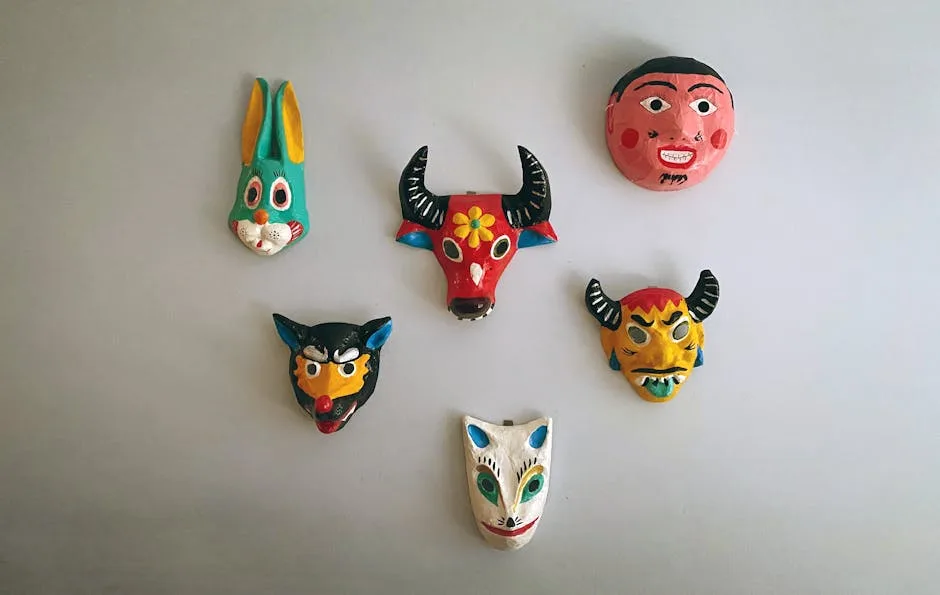
Lecce’s carnival masks are not simple imitations of Venetian styles: they often reflect local themes, satire or motifs drawn from Salento’s popular mythology. The floats and allegorical creatures, usually made of wood and paper, sometimes carry satirical messages about local politics, social issues or nods to Italian pop culture. The parade showcases a collective creativity: schools, associations, religious confraternities and dance troupes take part, blending Baroque costumes, traditional peasant outfits and contemporary masks.
Music plays a central role: the tarantella, the emblematic rhythm of southern Italy, echoes through the streets alongside pizziche (local variations) and modern brass bands. Salento folk groups perform regularly on Piazza Sant’Oronzo (Piazza Sant’Oronzo, 73100 Lecce LE, Italy) and Piazza Duomo (Piazza Duomo, 73100 Lecce LE, Italy), offering free late-afternoon shows during Carnival. Street dance sessions invite passersby to join the circle — a warm, immersive way to share the tradition.
To complete the experience, don’t forget the Carnival treats: chiacchiere (thin, ribbon-shaped fried pastries), cicerchiata (honey-coated dough balls) and other local sweets. You can find them at historic pastry shops like Pasticceria Natale (Via Trinchese 2, 73100 Lecce LE — check opening hours) or at temporary stalls on Piazza Mazzini (Piazza Giuseppe Mazzini, 73100 Lecce LE). Prices are usually affordable: a portion of chiacchiere costs between €2 and €5, while a mixed box can reach €8–€12.

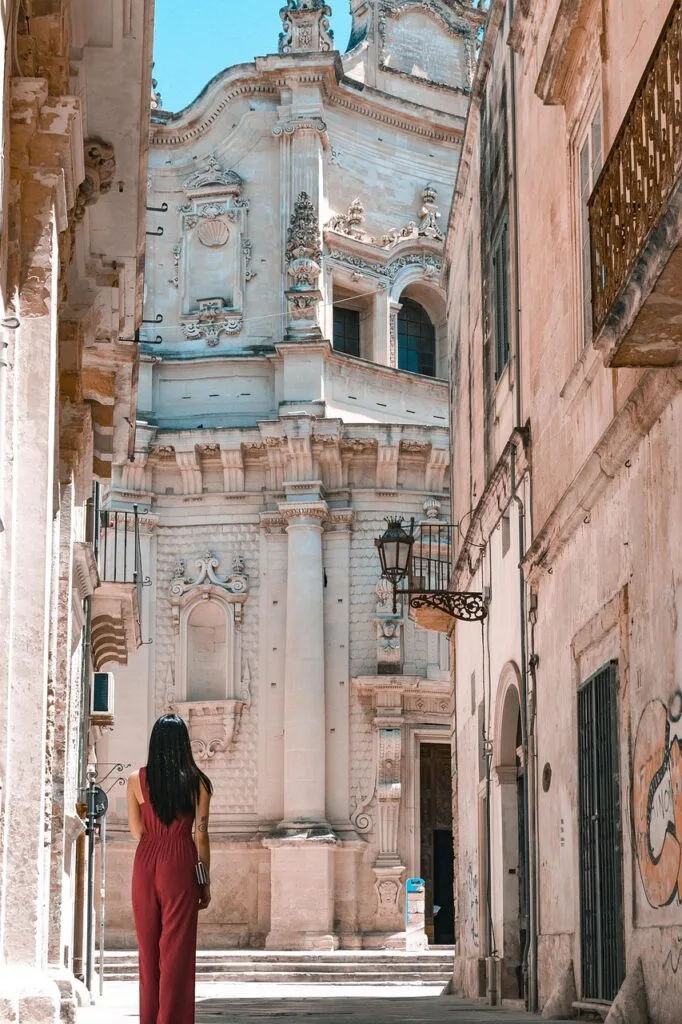
Local practical tips: if you want to join a cartapesta workshop, book several days in advance, especially for evening sessions. Wear clothes you don’t mind getting messy (glue and paint stain). For photographers, aim for the golden hour for striking shots against Lecce’s stone facades — the local limestone soaks up the sunset light beautifully. Finally, respect the artisans: don’t touch displayed pieces without permission and always ask before photographing people in costume. Respect opens doors to more genuine encounters and shared moments.
Key dates, calendar and how to plan your visit
Lecce’s Carnival follows the movable rhythm of the Christian Lent: it peaks on Shrove Tuesday (Martedì Grasso), the day before Ash Wednesday. In practice, events start the previous weekend and offer ongoing activities for about a week, with the busiest moments the weekend right before Shrove Tuesday. To pick exact dates, check the Comune di Lecce official website and pages from local associations (Pro Loco Lecce, folk groups).
Typical event hours: main parades take place in the afternoon and early evening (roughly 3:00 PM to 10:00 PM), letting families participate without disrupting school schedules too much. Music shows and outdoor concerts can run late into the night (10:30 PM–1:00 AM), especially on the Saturday and Sunday before Shrove Tuesday. Family and kids workshops are often held in the morning (10:00 AM–1:00 PM) or afternoon (3:00 PM–6:00 PM).
Tickets and indicative prices: many events in public spaces are free (parades, concerts on Piazza Sant’Oronzo, street performances). Indoor shows, specialized workshops and paid guided tours vary in price: guided walks of the historic center and monuments (Basilica di Santa Croce, Castello di Carlo V) may cost between €8 and €18 for an adult ticket, with student and senior reduced rates around €4–€10. Cartapesta and mask workshops generally fall in the €10–€35 range.
Booking tips: advance reservation is essential if you plan a guided tour of Castello di Carlo V or entry to Museo Faggiano (Via Ascanio Grandi, 2, 73100 Lecce LE, Italy), two popular sites during Carnival. Hotels and B&Bs in the historic center often raise rates during this period: expect prices to be 20%–50% higher depending on proximity to Piazza Sant’Oronzo. Transport: Ferrovia Lecce station (Piazza della Stazione, 73100 Lecce LE) is the main train arrival point; the nearby bus station connects regularly to other Salento towns. Plan to arrive at least a day before the main festivities if you want to catch rehearsals and workshops.
Sample weekend plan:
– Day 1 (Saturday): morning exploring the historic center (Basilica di Santa Croce, Roman Amphitheatre at Piazza Sant’Oronzo), afternoon at rehearsals and workshops, evening at Piazza Sant’Oronzo for a free concert.
– Day 2 (Sunday): join the family parade, guided visit to Castello di Carlo V (check times and book ahead), sample Carnival pastries at a local pasticceria.
– Day 3 (Shrove Tuesday): watch the main parade and floats, then enjoy a traditional dinner at a restaurant serving Salento specialties.
Click here to book the baroque and underground tour
Where to watch the parades and unmissable monuments (addresses, hours and tips)
Lecce offers several strategic vantage points to fully experience Carnival: wide squares where floats gather and side streets with more intimate performances. Here’s a selection of precise spots with addresses, usual opening hours and tips to make the most of them.
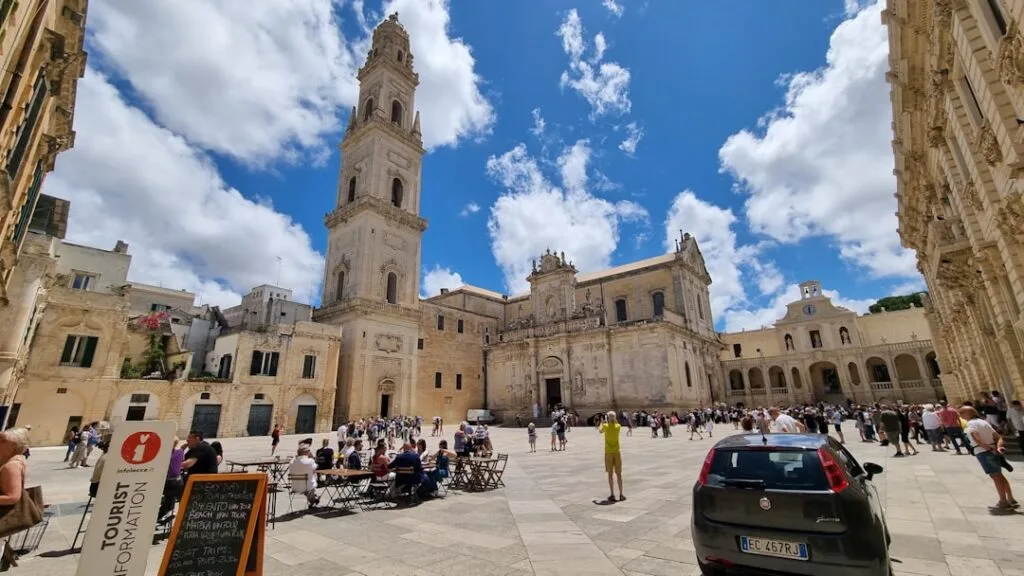
- Piazza Sant’Oronzo — Piazza Sant’Oronzo, 73100 Lecce LE, Italy. This is the heart of the historic center and the main hub for gatherings and parades. The Roman amphitheatre, partially visible in the square, adds a historic atmosphere to the processions. Activities on the square typically run from 10:00 AM to 11:00 PM during Carnival. Tip: arrive before 4:00 PM to secure a free viewing spot; temporary grandstands (if present) sometimes require a small paid access (€5–€15).
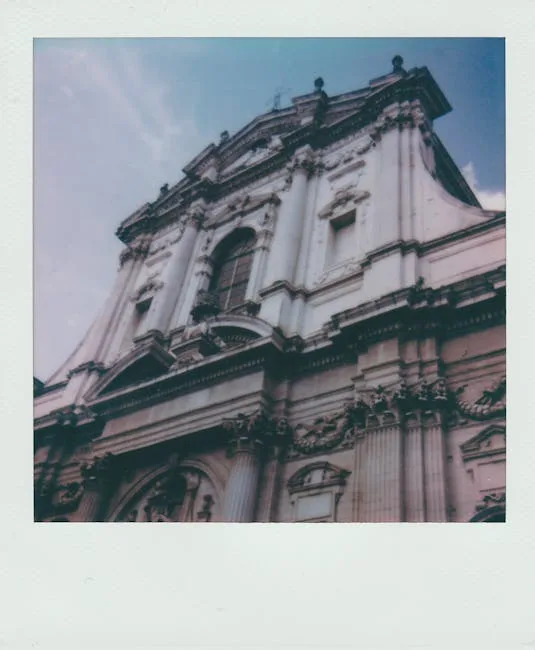
- Basilica di Santa Croce — Piazza Santa Croce, 73100 Lecce LE, Italy. This essential Baroque monument often serves as the backdrop for shows and concerts. Typical visiting hours: 9:00 AM–1:00 PM and 3:30 PM–7:00 PM (indicative — check during Carnival as services or balls can change access). Guided tour prices: €6–€12. Tip: for spectacular photos, position yourself on the southwest steps during golden hour.
- Castello di Carlo V — Piazza Bastioni, 73100 Lecce LE, Italy. This fortified castle (also called Castello di Lecce) sometimes hosts temporary exhibitions about Carnival history and craft workshops. Typical hours: 9:30 AM–5:30 PM (varies with events). Indicative exhibition entry fee: €5–€10. Tip: check the Comune di Lecce program for specific Carnival events.
- Museo Faggiano — Via Ascanio Grandi, 2, 73100 Lecce LE, Italy. This private/family museum, set in a house where excavations revealed fascinating archaeological layers, often offers themed guided visits. Usual hours: 10:00 AM–1:00 PM and 4:00 PM–7:00 PM. Entry price: around €5–€9. Tip: perfect to understand Lecce’s historical layers before watching the parades, and book ahead during Carnival.
- Piazza Duomo — Piazza Duomo, 73100 Lecce LE, Italy. The cathedral and adjacent cloister offer a solemn setting for some classical concerts included in the Carnival program. Visiting hours: the cathedral is generally open 9:30 AM–12:30 PM and 4:00 PM–7:00 PM. Some concerts are paid (€10–€20) but street performances are usually free. Tip: enjoy the cloister’s tranquility early in the morning for photos without the crowds.
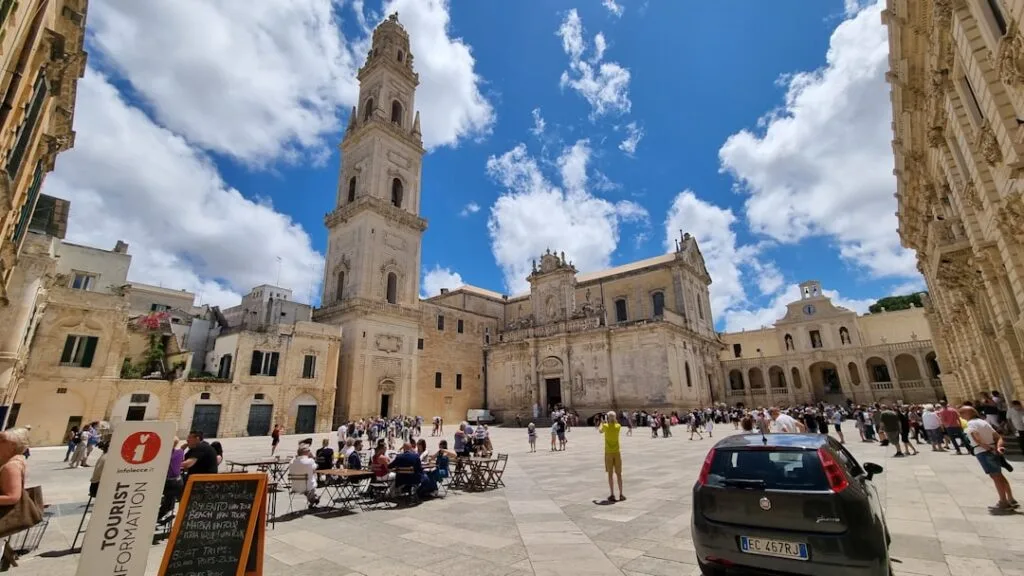
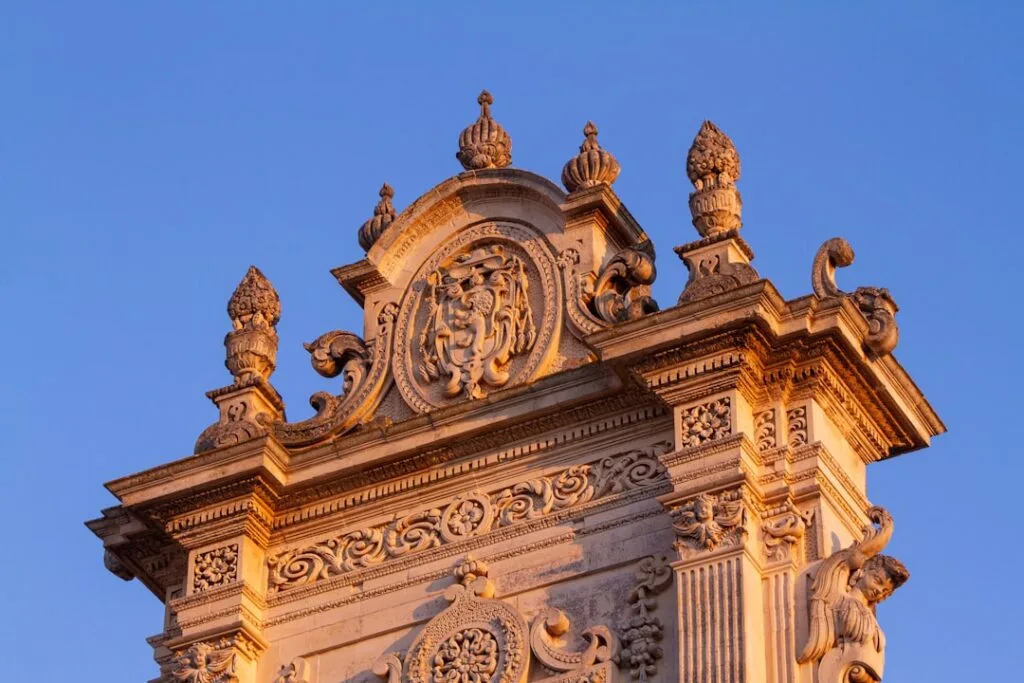
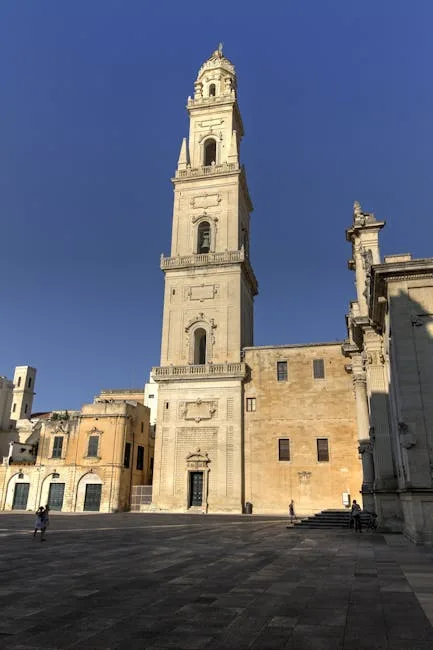
Practical tips: wear comfortable shoes — the historic center is paved and can be slippery in wet weather. Security checks and first aid points are often set up on the busiest squares; note the presence of local Protezione Civile volunteers and municipal information stands. Public toilets are limited, so use cafés and restaurants (usually with a purchase) or museums when possible.
Practical tips: accommodation, food, transport and safety
Accommodation: demand rises sharply during Carnival. Options to consider:
– Historic B&Bs in the city center (e.g. « Dimora Storica Lecce » style rooms tucked into the alleys): typical rates €70–€140 per night for a double room depending on season.
– 3-star hotels near Piazza Sant’Oronzo (e.g. hotels on Via Libertini and Via Rubichi): prices around €80–€180 per night in Carnival high season.
– Airbnb apartments: €60–€200 a night depending on size and location.
Tip: favor lodging within a 10-minute walk of Piazza Sant’Oronzo to avoid circulation issues on parade days.
Food: Lecce is full of small osterie and restaurants serving Salento dishes. A few useful spots (check opening hours during Carnival):
– Trattoria Nonna Titti — Via G. Palmieri (address to confirm locally). Average main dish €12–€18; open 12:30 PM–2:30 PM and 7:00 PM–10:30 PM.
– Pasticceria Natale — Via Trinchese 2, 73100 Lecce LE. Open 7:00 AM–8:00 PM; specialties: chiacchiere, pasticciotti. Prices: pastries €2–€5 each.
– Osteria degli Spiriti — Via XXV Luglio (to confirm): Salento menus with antipasti €8–€12, mains €12–€20.
Food tip: try the pasticiotto leccese (cream-filled pastry) for breakfast and fresh seafood dishes in the evening. During Carnival check for special menus and book ahead for larger groups.
Transport:
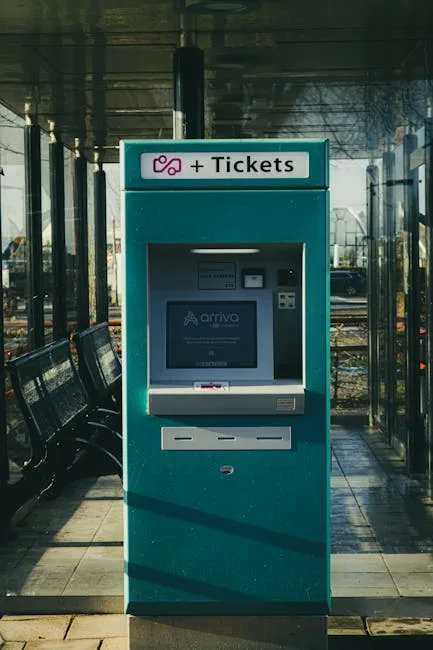
– Getting there: Ferrovia Lecce station (Piazza della Stazione, 73100 Lecce LE) is well served by regional trains. Regional buses connect to Salento towns (Otranto, Gallipoli, Brindisi).
– Getting around: walking is best — the historic center is compact and often closed to traffic during parades. Taxis start around €6 for short trips downtown; keep change handy.
– Parking: peripheral car parks (e.g. Parcheggio Viale dell’Università) cost €5–€15 per day. Tip: park outside the center and use shuttles or walk.
Safety and health: the Carnival attracts families and many young people, so police presence and medical services are reinforced. In an emergency call 112 (European emergency number). Bring a small first-aid kit, water and sun protection if events take place under the sun. If it rains, carry a light raincoat: Lecce’s stone darkens and run-off can make some cobbles slippery.
Additional activities and cultural events linked to Carnival
Beyond the parades, the Lecce Carnival is an opportunity to join a wide range of cultural activities: church concerts, temporary exhibitions, street theater, thematic film screenings and educational workshops for children. Several cultural institutions in town work with local associations to offer parallel programs.
Temporary exhibitions: during Carnival the Castello di Carlo V and some municipal venues set up exhibitions on the history of Carnival, cartapesta and Salento’s popular traditions. These shows often include talks and roundtables. Entry fees vary: temporary exhibitions €5–€12; reduced rates for students and seniors are frequently available.
Street shows and theatre: small local companies put on sketches, puppet shows and comic performances in squares and alleys. Most of these shows are free and encourage audience interaction. Performances run during the day and in the evening — check the official program from the Comune di Lecce and local posters.
Kids workshops: the city offers many educational workshops around mask-making, music and dance. They take place in cultural centers and sometimes outdoors, with often very affordable costs (€5–€15 per child). It’s a great way to introduce young ones to traditions while giving them a hands-on activity.
Suggested cultural itineraries: combine monument visits (Basilica di Santa Croce, Roman Amphitheatre, Castello di Carlo V, Museo Faggiano) with festive moments (parade on Piazza Sant’Oronzo, cartapesta workshops). A themed guided visit « Carnival and Baroque » (about 2 hours) offered by local guides usually costs €12–€20 per person and helps explain the relationship between 17th-century architecture and the carnival’s colorful staging.
Click here to discover Lecce on a 2-hour tour
Click here to register your kids for an arts workshop
Practical addresses at a glance
- Piazza Sant’Oronzo — Piazza Sant’Oronzo, 73100 Lecce LE, Italy. Main parade hub.
- Basilica di Santa Croce — Piazza Santa Croce, 73100 Lecce LE, Italy. Usually open 9:00 AM–1:00 PM / 3:30 PM–7:00 PM.
- Castello di Carlo V — Piazza Bastioni, 73100 Lecce LE, Italy. Hours vary with events.
- Museo Faggiano — Via Ascanio Grandi, 2, 73100 Lecce LE, Italy. Hours 10:00 AM–1:00 PM and 4:00 PM–7:00 PM (indicative).
- Ferrovia Lecce (station) — Piazza della Stazione, 73100 Lecce LE, Italy.
- Pasticceria Natale — Via Trinchese 2, 73100 Lecce LE, Italy. Early opening for pastries.
Conclusion
The Lecce Carnival is more than just a party: it’s an immersion into a living culture where craftsmanship, music, food and history combine to create an event deeply rooted in local identity. With its Baroque squares — Piazza Sant’Oronzo, Piazza Duomo and the grandeur of Basilica di Santa Croce — Lecce provides a unique stage for parades that don’t merely entertain but also tell stories, celebrate the community and pass on ancestral skills like cartapesta.
To prepare your trip it’s essential to plan: check exact Carnival dates (they change yearly with Shrove Tuesday), book accommodation and workshops in advance, and decide which monuments and activities you want to visit (Castello di Carlo V, Museo Faggiano, Roman Amphitheatre at Piazza Sant’Oronzo). Balance the very popular moments (big parades on the main square) with more intimate experiences (artisan workshops, church concerts) to enjoy a rich and varied visit.
Practically, carry a map of the historic center, wear comfortable shoes and allow extra time to get to meeting points: streets can be closed to traffic and parking is often distant. Remember to be respectful of artisans and local traditions: ask before photographing or touching a work, and favor direct purchases from creators to support the local economy.
Finally, let yourself be swept up by Salento’s warm spirit: join an impromptu tarantella, chat with locals, taste the typical sweets and bring home a cartapesta mask as a souvenir. The Lecce Carnival is as much a community celebration as a visual spectacle — a unique opportunity to connect with the soul of the city. Whether you come for photography, music, crafts or just to have fun, Lecce will welcome you with its golden light, carved stone and contagious joie de vivre. Buon Carnevale a Lecce — and happy planning for an unforgettable trip!